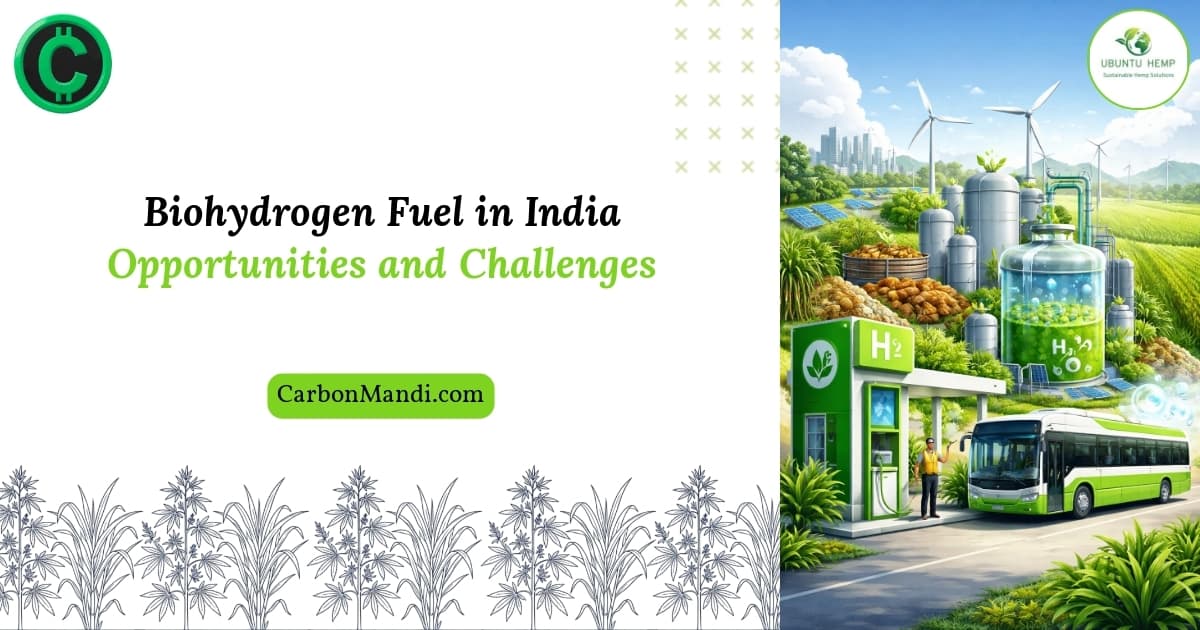
Biohydrogen Fuel in India: Unlocking Potential Amid Challenges
- Biohydrogen Fuel in India: Opportunities and Challenges
- Carbon Credits
- Sustainability
Table of Contents
- A Fresh Look at Biohydrogen Fuel
- Why Biohydrogen Matters for India
- Navigating the Roadblocks
- Success Stories Lighting the Way
- Common Queries Answered
- Taking the Next Step
A Fresh Look at Biohydrogen Fuel
Imagine a fuel source that not only powers vehicles but also helps clean up agricultural waste and reduces pollution. That’s the promise biohydrogen fuel holds for India. Unlike traditional hydrogen produced from fossil fuels, biohydrogen is generated through biological processes using organic materials. This makes it a renewable and eco-friendly alternative that fits well with India’s vast agricultural landscape.
Biohydrogen fuel in India: opportunities and challenges are tightly linked to the country’s unique energy needs and environmental goals. With rising energy demand and a commitment to reduce carbon emissions, biohydrogen could be a game changer. But what exactly makes it so promising, and what hurdles stand in the way?
Why Biohydrogen Matters for India
India’s energy sector is at a crossroads. The country relies heavily on coal and oil, which contribute to pollution and climate change. Biohydrogen offers a way to diversify energy sources while tapping into abundant biomass resources like crop residues and organic waste.
The advantages are compelling. Biohydrogen production can:
- Reduce dependence on imported fuels
- Lower greenhouse gas emissions
- Create rural employment through biomass collection and processing
- Support circular economy principles by utilizing waste
These benefits align with India’s renewable energy targets and sustainability commitments. Moreover, biohydrogen can be integrated into existing hydrogen infrastructure plans, making it a strategic addition to the energy mix.
Navigating the Roadblocks
Despite its potential, biohydrogen fuel in India faces significant challenges. The technology for efficient biohydrogen production is still evolving, and scaling it up requires investment and innovation. Key obstacles include:
- High Production Costs: Current biohydrogen methods are costlier than conventional fuels, limiting commercial viability.
- Feedstock Supply Chain: Reliable and sustainable biomass sourcing is complex, especially in regions with competing land use.
- Infrastructure Gaps: Storage, transportation, and distribution networks for hydrogen are underdeveloped.
Addressing these challenges demands coordinated efforts from government, industry, and research institutions. Policies that incentivize biohydrogen projects and support R&D can accelerate progress.
Success Stories Lighting the Way
Several pilot projects in India showcase how biohydrogen can work in practice. For example, a research institute in Tamil Nadu developed a biohydrogen plant using sugarcane bagasse, producing clean fuel while managing agricultural waste effectively. This project demonstrated a 30% reduction in carbon emissions compared to fossil fuels.
Another initiative in Maharashtra partnered with local farmers to collect organic waste for biohydrogen production, creating jobs and reducing landfill use. These examples highlight practical pathways to overcome challenges and scale biohydrogen fuel solutions.
Common Queries Answered
Q: How does biohydrogen compare to green hydrogen? Biohydrogen is produced biologically from organic matter, while green hydrogen is made by electrolysis using renewable electricity. Both are clean but differ in feedstock and production methods.
Q: Is biohydrogen safe to use? Yes, with proper handling and storage protocols, biohydrogen is as safe as other hydrogen fuels.
Q: What sectors can benefit most? Transportation, power generation, and industrial processes stand to gain significantly from biohydrogen adoption.
Taking the Next Step
India’s journey toward a sustainable energy future can be accelerated by embracing biohydrogen fuel. Stakeholders should focus on:
- Investing in pilot projects and technology development
- Building biomass supply chains with farmer participation
- Creating supportive policies and incentives
For those interested in staying updated and contributing to this evolving field, Join our WhatsApp community to connect with experts and peers.
Carbonmandi building this With the advisory of Ubuntuhemp