Biomass Green Hydrogen: Fueling India’s Clean Energy Revolution
- Carbon Credits
- How Biomass Green Hydrogen Can Power India’s Energy Future
- Sustainability
Table of Contents
- A Fresh Look at India’s Energy Puzzle
- Unlocking the Power of Biomass Green Hydrogen
- Steps to Harness Biomass Hydrogen Effectively
- Real-World Wins: India’s Green Hydrogen Initiatives
- Questions on Biomass Hydrogen’s Role
- Moving Forward with Confidence
A Fresh Look at India’s Energy Puzzle
India’s energy demand is growing rapidly, and the country faces the challenge of meeting this demand while cutting carbon emissions. What if the answer lies in a resource that’s abundant and renewable? Biomass green hydrogen is emerging as a game-changer in this scenario. Unlike traditional fossil fuels, biomass green hydrogen is produced by converting organic waste into clean hydrogen fuel, offering a sustainable path forward. This approach not only addresses energy needs but also tackles waste management issues, making it a dual-benefit solution. The keyword "How Biomass Green Hydrogen Can Power India’s Energy Future" fits perfectly here, as this technology is poised to reshape the energy landscape. By integrating biomass green hydrogen into the energy mix, India can significantly reduce its carbon footprint while ensuring energy security.
Unlocking the Power of Biomass Green Hydrogen
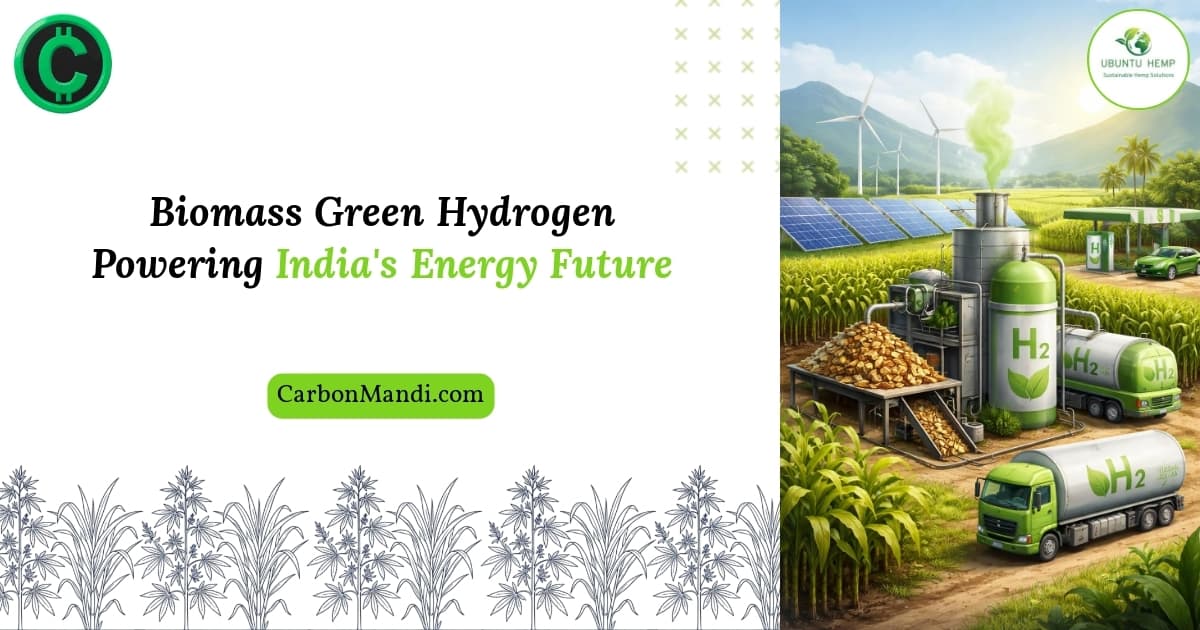
Biomass green hydrogen stands out because it leverages India’s vast agricultural residues and organic waste. Instead of burning crop leftovers, which causes pollution, these materials can be converted into hydrogen through processes like gasification and electrolysis powered by renewable energy. For instance, companies like H2e Power are pioneering the use of agricultural waste for hydrogen production, showcasing the potential of this technology. The impact is significant: this method reduces greenhouse gases, creates local jobs, and supports rural economies. Moreover, hydrogen produced this way can fuel industries, transportation, and power plants without emitting carbon dioxide. This makes biomass green hydrogen a cornerstone for India’s clean energy ambitions, providing a versatile solution that can adapt to various sectors.
Steps to Harness Biomass Hydrogen Effectively
To make biomass green hydrogen a reliable energy source, India needs a clear strategy. Here’s a practical approach:
- Identify and collect biomass feedstock efficiently from farms and urban waste, ensuring minimal waste is left behind.
- Invest in advanced gasification and electrolysis technologies to convert biomass into hydrogen, utilizing firms like Greenko for their innovative solutions.
- Develop infrastructure for hydrogen storage and distribution across key industrial and urban centers, ensuring accessibility and reliability.
- Encourage policy support and incentives to attract private sector investment, creating a favorable environment for growth.
- Train local communities and workers to manage and maintain biomass hydrogen facilities, fostering local expertise and job creation.
Following these steps can accelerate the adoption of biomass green hydrogen and ensure it powers India’s energy future sustainably, making it a viable alternative to fossil fuels.
Real-World Wins: India’s Green Hydrogen Initiatives
Several pilot projects in India highlight the promise of biomass green hydrogen. For example, a project in Tamil Nadu uses sugarcane bagasse to produce hydrogen, which powers local industries and reduces reliance on coal. Another initiative in Maharashtra converts municipal solid waste into hydrogen fuel, cutting landfill use and pollution. These examples demonstrate how biomass green hydrogen is not just theoretical but actively transforming energy systems. They also provide valuable lessons on scalability and community involvement, showing how local stakeholders can play a crucial role in the transition to clean energy.
Questions on Biomass Hydrogen’s Role
How reliable is biomass green hydrogen compared to other renewables? It offers consistent fuel supply since biomass feedstock is available year-round, unlike solar or wind which depend on weather. What about costs? While initial investments are high, costs are expected to drop with technology improvements and economies of scale. Is biomass hydrogen truly green? When produced sustainably, it has a low carbon footprint, especially when combined with renewable electricity for electrolysis, making it a truly eco-friendly option.
Moving Forward with Confidence
India’s path to a cleaner energy future can be powered by biomass green hydrogen. To get involved or learn more, consider joining the conversation in our WhatsApp community. Sharing knowledge and experiences will help scale this promising technology. Join our WhatsApp community to stay updated and connect with experts. By collaborating and sharing insights, we can collectively drive the adoption of biomass green hydrogen and contribute to a sustainable energy future for India.
Carbonmandi building this With the advisory of Ubuntuhemp