Biomass Hydrogen Pilot Project India: Your 2026 Guide
- Biomass Hydrogen Pilot Project India: Complete Guide for India 2026
- Carbon Credits
- Sustainability
Table of Contents
- A Fresh Look at Biomass Hydrogen
- Why This Project Matters for India
- How the Pilot Project Operates
- Real-World Impact and Examples
- Questions You Might Have
- Taking the Next Steps
A Fresh Look at Biomass Hydrogen
Imagine turning agricultural waste into clean hydrogen fuel. That’s exactly what the Biomass Hydrogen Pilot Project India is aiming to do in 2026. This initiative is not just about producing hydrogen; it’s about transforming India’s energy landscape by tapping into biomass resources that are abundant yet underutilized. The project is set to showcase how innovative technologies can harness the potential of agricultural by-products, paving the way for a sustainable future.
Biomass hydrogen production uses organic materials like crop residues, forestry waste, and even municipal solid waste to generate hydrogen gas. This method offers a renewable alternative to fossil fuels and helps reduce carbon emissions significantly. The pilot project is a critical step in proving this technology’s viability on a larger scale in India, potentially leading to widespread adoption across various sectors.
Why This Project Matters for India
India faces a dual challenge: meeting growing energy demands while cutting down on pollution. The Biomass Hydrogen Pilot Project India: Complete Guide for India 2026 highlights how this project addresses both. By converting biomass into hydrogen, India can reduce dependence on imported fuels and lower greenhouse gas emissions, which is crucial for combating climate change.
This project also supports rural economies by creating new markets for agricultural waste. Farmers can benefit financially by selling residues that would otherwise be burned, a practice that contributes heavily to air pollution. For instance, the project encourages farmers to engage in sustainable practices, leading to improved soil health and biodiversity. The initiative aligns with India’s commitment to sustainable development and carbon neutrality goals, making it a cornerstone of the nation’s energy strategy.
How the Pilot Project Operates
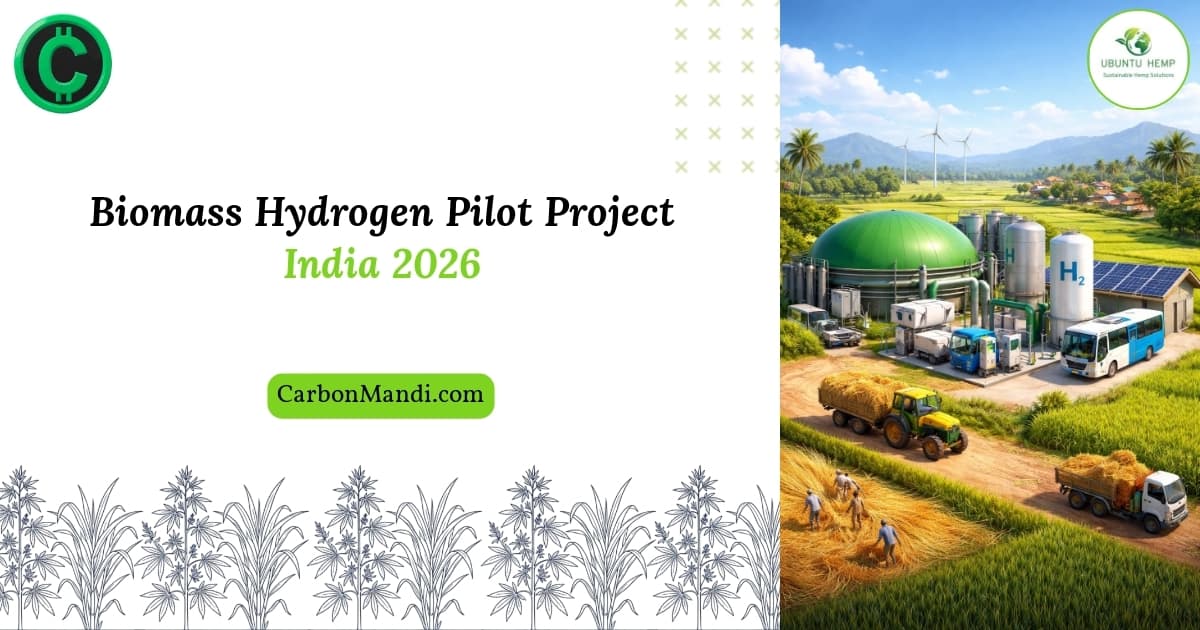
The process starts with collecting biomass feedstock from local farms and forestry operations. This material undergoes gasification, where it’s heated in a low-oxygen environment to produce a hydrogen-rich gas mixture. The hydrogen is then purified for use as a clean fuel, which can be utilized in various applications, from transportation to power generation.
Key steps include:
- Biomass collection and preparation, ensuring that the feedstock is suitable for gasification.
- Gasification to produce syngas, a mixture of hydrogen and carbon monoxide.
- Hydrogen separation and purification using advanced technologies like pressure swing adsorption.
- Storage and distribution for energy use, ensuring that the hydrogen can be efficiently transported to end-users.
This pilot project tests the efficiency and scalability of these steps under Indian conditions, focusing on cost-effectiveness and environmental impact. By collaborating with local universities and research institutions, the project aims to refine the technology and make it accessible for widespread implementation.
Real-World Impact and Examples
One example comes from a pilot site in Maharashtra, where local farmers partnered with the project team to supply sugarcane bagasse. The hydrogen produced powered nearby industries, cutting their carbon footprint significantly and showcasing the economic viability of biomass hydrogen.
Another case in Tamil Nadu demonstrated how biomass hydrogen could integrate with existing energy infrastructure, providing a cleaner alternative to diesel generators. This integration not only reduced emissions but also provided a reliable energy source for rural electrification. These successes show the potential for wider adoption across India’s diverse regions, encouraging other states to explore similar initiatives.
Questions You Might Have
What about the cost? While initial investments are higher than conventional fuels, the long-term savings and environmental benefits make biomass hydrogen promising. Additionally, government incentives and subsidies can help offset these costs. How scalable is this? The pilot aims to answer that by testing different biomass types and production scales, ensuring that the technology can be adapted to various local contexts.
Is the technology safe? Yes, the project follows strict safety protocols for handling hydrogen and biomass materials, ensuring that all operations are conducted with the highest safety standards. What about carbon credits? Projects like this can generate carbon credits, adding financial incentives for participants and promoting further investment in clean energy technologies.
Taking the Next Steps
If you’re interested in the future of clean energy in India, keep an eye on the Biomass Hydrogen Pilot Project India. Join discussions and updates by joining our WhatsApp community.
For businesses and farmers, exploring partnerships with pilot sites could open new revenue streams and contribute to India’s green transition. Engaging with local stakeholders and participating in knowledge-sharing initiatives can enhance the impact of this project, fostering a collaborative approach to sustainable energy solutions.
Carbonmandi is building this initiative with the advisory of Ubuntuhemp, ensuring that the project is grounded in best practices and innovative strategies for success.