Circular Economy Hydrogen India: Your 2026 Roadmap
- Carbon Credits
- Circular Economy Hydrogen India: Complete Guide for India 2026
- Sustainability
Table of Contents
- Starting Point: Why Circular Hydrogen?
- Unlocking India's Potential
- Steps to Build a Circular Hydrogen Economy
- Real-World Wins in India
- Questions on Circular Hydrogen Answered
- Moving Forward Together
Starting Point: Why Circular Hydrogen?
Imagine a fuel that not only powers vehicles and industries but also fits perfectly into a cycle where waste is minimized and resources are reused. That’s the promise of circular economy hydrogen in India. This approach is gaining traction as the country pushes toward cleaner energy solutions by 2026. Circular hydrogen means producing, using, and recycling hydrogen in ways that reduce environmental impact and boost economic efficiency.
India’s energy demands are rising fast, and hydrogen offers a flexible, clean alternative. But the circular economy model takes it further by ensuring hydrogen production and consumption are sustainable, reducing waste and emissions. This guide will walk you through what makes circular economy hydrogen a game changer for India’s energy future.
Unlocking India's Potential
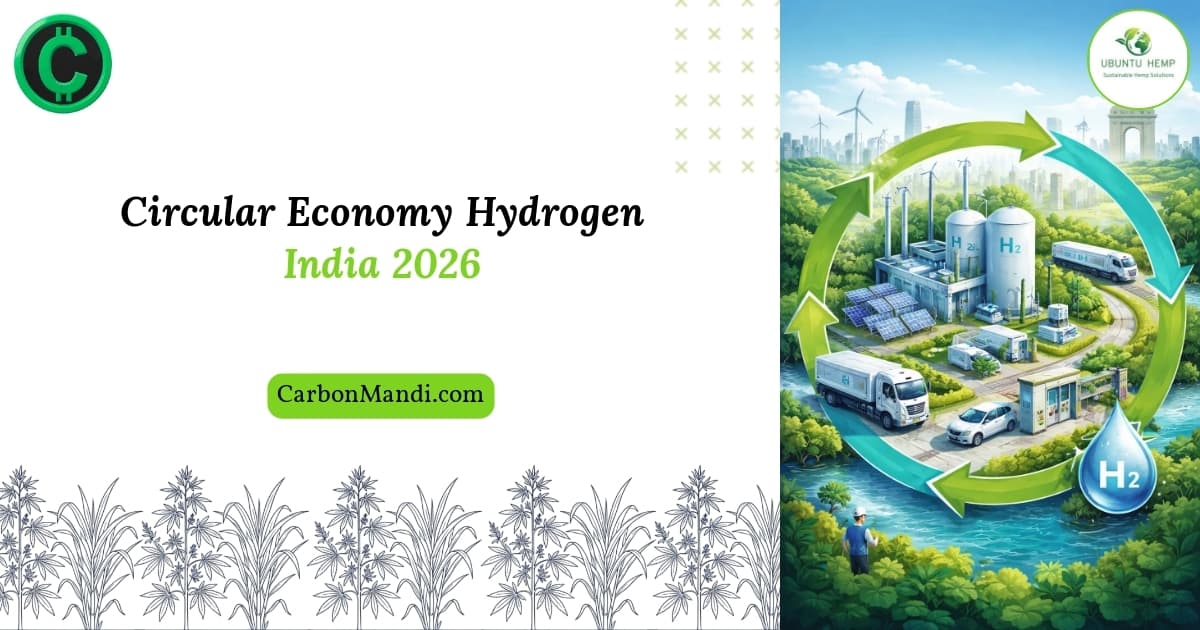
India’s vast renewable resources, like solar and wind, create an ideal backdrop for green hydrogen production. The circular economy hydrogen model leverages these renewables to generate hydrogen through electrolysis, then recycles byproducts and integrates waste streams back into the system. For instance, companies like ReNew Power are investing in solar farms specifically designed to produce hydrogen, showcasing the synergy between renewable energy and hydrogen production.
This approach can transform sectors such as transportation, manufacturing, and power generation. Instead of relying on fossil fuels, industries can tap into hydrogen that’s produced sustainably and reused efficiently. The economic impact is significant: job creation in new tech sectors, reduced import dependence, and a cleaner environment. Additionally, the integration of hydrogen fuel cells in public transportation, as seen in Delhi’s hydrogen buses, illustrates the practical applications of this model.
Steps to Build a Circular Hydrogen Economy
Building this system requires a clear strategy. Here’s a practical approach:
- Expand renewable energy infrastructure to power hydrogen production.
- Develop efficient electrolysis technologies tailored for India’s climate.
- Create hydrogen storage and distribution networks that minimize losses.
- Implement recycling processes for hydrogen byproducts and waste materials.
- Foster partnerships between government, industry, and research institutions.
Each step involves collaboration and innovation. For example, integrating waste heat from industrial processes into hydrogen production can improve efficiency. The circular economy hydrogen India model is about closing loops and maximizing resource use. Companies like Tata Power are already exploring these avenues, making strides in energy efficiency and sustainability.
Real-World Wins in India
Several pilot projects highlight the potential. In Gujarat, a green hydrogen plant uses solar power to produce hydrogen for local industries, cutting carbon emissions by 30%. Meanwhile, a startup in Tamil Nadu developed a system to capture and reuse hydrogen from chemical manufacturing, reducing waste and operational costs. Another notable example is the collaboration between Indian Oil Corporation and the National Hydrogen Energy Roadmap, which aims to establish hydrogen as a mainstream energy source.
These examples show how circular economy hydrogen is not just theoretical but actively reshaping India’s energy landscape. They provide blueprints for scaling up and adapting to different regional needs, ensuring that the benefits of hydrogen reach all corners of the country.
Questions on Circular Hydrogen Answered
What about costs? Initially, green hydrogen production is pricier than fossil fuels, but costs are dropping rapidly with technology advances and scale. How safe is hydrogen? With proper handling and infrastructure, hydrogen is as safe as other fuels.
Can circular hydrogen really reduce emissions? Yes, by using renewable energy and recycling byproducts, it cuts greenhouse gases significantly. What role do policies play? Strong government support and clear regulations are essential to accelerate adoption. Engaging with initiatives like the National Hydrogen Mission can provide insights into policy frameworks that support this transition.
Moving Forward Together
India’s journey to a circular economy hydrogen future is underway, and you can be part of it. Whether you’re a business leader, policymaker, or concerned citizen, understanding this model helps you make informed decisions.
Join discussions, stay updated on innovations, and explore partnerships. For ongoing insights and community support, Join our WhatsApp community.
Carbonmandi building this With the advisory of Ubuntuhemp.