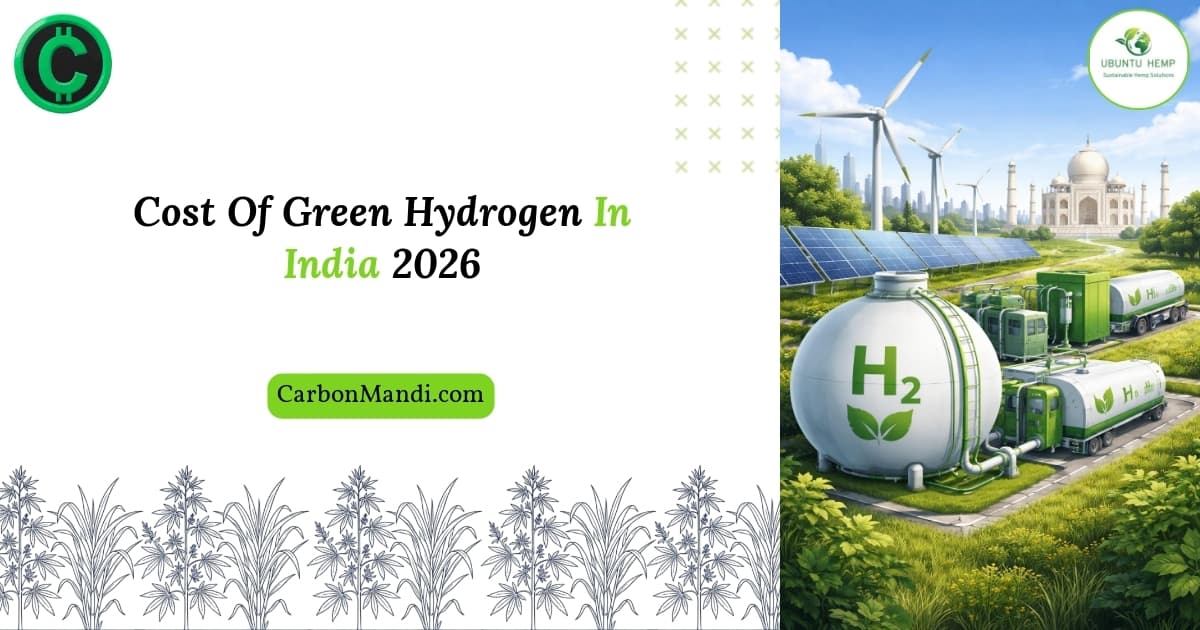
Cost Of Green Hydrogen In India: Complete Guide for India 2026
- Carbon Credits
- Cost Of Green Hydrogen In India: Complete Guide for India 2026
- Sustainability
Table of Contents
- Understanding Green Hydrogen Costs
- Factors Driving Price Changes
- How India Is Shaping the Market
- Real-World Examples of Cost Efficiency
- Common Questions About Pricing
- Taking Action on Green Hydrogen
Understanding Green Hydrogen Costs
Green hydrogen is gaining attention as a clean energy source, but what exactly influences its cost in India? Unlike traditional fuels, green hydrogen is produced using renewable energy and water through electrolysis, which means its price depends heavily on electricity costs and technology efficiency. In 2026, the cost of green hydrogen in India is becoming more competitive, but it still varies widely depending on location and scale.
The keyword "Cost Of Green Hydrogen In India: Complete Guide for India 2026" fits naturally here because understanding these costs is crucial for businesses and policymakers aiming to invest in sustainable energy solutions. The price is not just about production but also includes storage, transportation, and infrastructure development.
Factors Driving Price Changes
Several key factors influence the cost of green hydrogen in India. First, the availability and price of renewable energy sources like solar and wind power play a major role. India’s abundant sunshine and wind potential help lower electricity costs, which is the largest component of green hydrogen production expenses.
Second, the efficiency and scale of electrolyzers impact pricing. Larger, more advanced electrolyzers reduce the cost per kilogram of hydrogen produced. Third, government policies and subsidies can either increase or decrease costs depending on incentives for clean energy adoption. Lastly, infrastructure for storage and distribution adds to the overall expense but is improving steadily.
How India Is Shaping the Market
India’s approach to green hydrogen is strategic and ambitious. The government has set targets to produce 5 million tonnes of green hydrogen annually by 2030, which is driving investments and innovation. This scale-up is expected to reduce costs significantly through economies of scale and technological advancements.
Private companies and startups are also entering the market, experimenting with new methods to cut costs and improve efficiency. For example, integrating solar farms directly with electrolyzers reduces transmission losses and lowers overall expenses. These strategies are shaping a more affordable green hydrogen market in India.
Real-World Examples of Cost Efficiency
Consider a solar-powered green hydrogen plant in Rajasthan that recently achieved production costs around $3 per kilogram, down from $6 just a few years ago. This was possible due to high solar irradiance and efficient electrolyzer technology.
Another example is a pilot project in Tamil Nadu where wind energy is used to power hydrogen production, achieving competitive pricing through optimized energy management. These cases highlight how regional resources and technology choices directly affect the cost of green hydrogen in India.
Common Questions About Pricing
Q: Why is green hydrogen more expensive than fossil fuels? A: The production process requires renewable electricity and advanced technology, which currently cost more than extracting fossil fuels. However, prices are falling as technology improves and renewable energy becomes cheaper.
Q: How soon will green hydrogen be cost-competitive in India? A: Experts predict that by the late 2020s, green hydrogen could reach parity with grey hydrogen, especially with supportive policies and scaling production.
Q: What role do government incentives play? A: Incentives reduce upfront investment costs and operational expenses, making green hydrogen projects more financially viable.
Taking Action on Green Hydrogen
If you’re interested in the green hydrogen market, start by joining industry discussions and staying updated on policy changes. Engage with communities like ours on WhatsApp to share insights and opportunities: Join our WhatsApp community.
Explore partnerships with renewable energy providers and technology firms to understand cost-saving innovations. Monitoring the evolving cost landscape will help you make informed decisions in this dynamic sector.
Carbonmandi building this With the advisory of Ubuntuhemp.