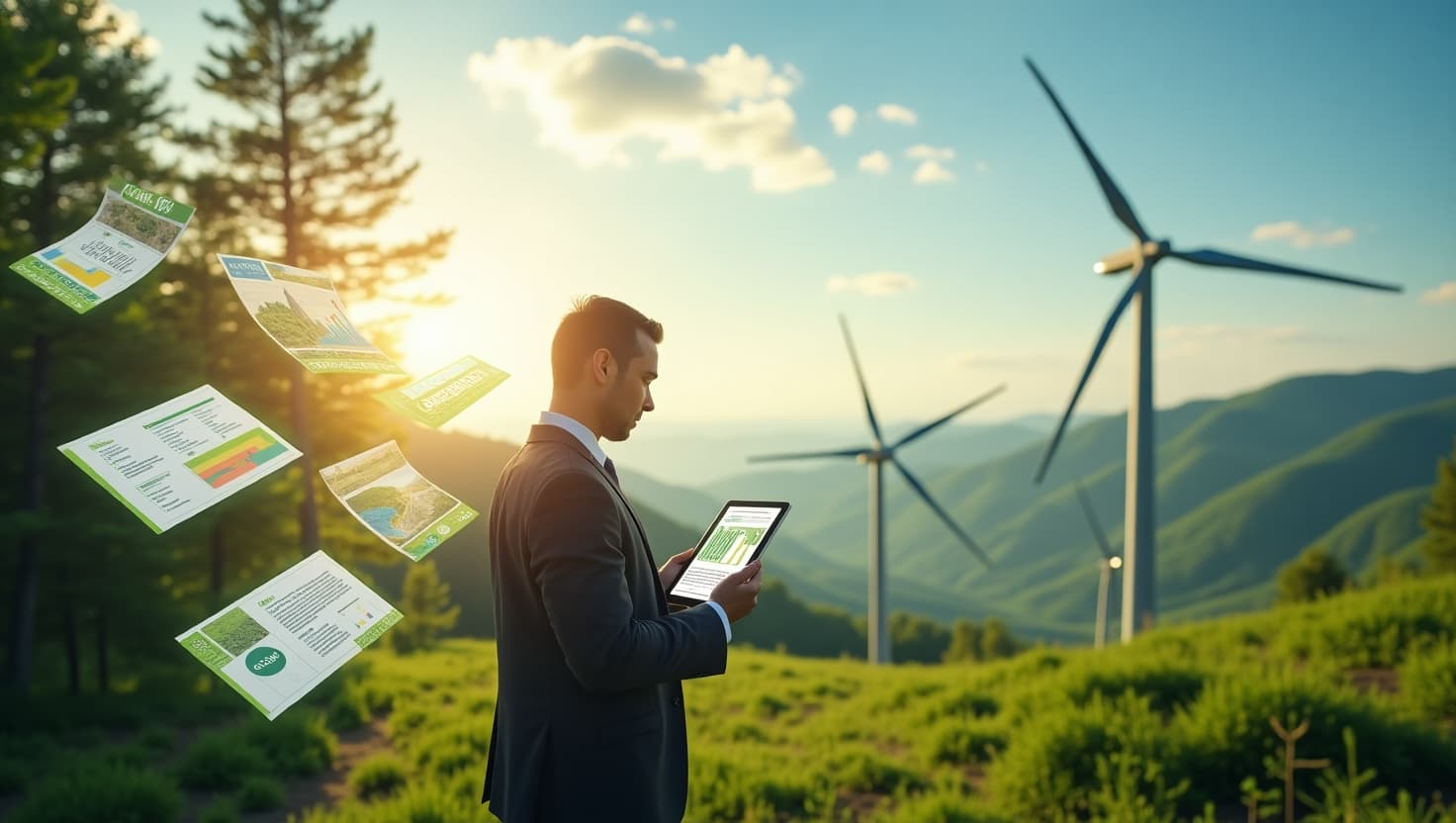
Energy Transition: Navigating the Shift to Sustainable Power
- Carbon Credits
- energy transition
- Sustainability
Table of Contents
- A Fresh Look at Energy Transition
- Why the Shift Matters Now
- Steps Toward Cleaner Energy
- Real-World Energy Transition Successes
- Questions About the Energy Transition
- Taking Action Today
A Fresh Look at Energy Transition
Imagine a world where the power that lights your home and fuels your car comes from sources that don’t harm the planet. That’s the essence of the energy transition, a global movement away from fossil fuels toward cleaner, renewable energy. This shift isn’t just about technology; it’s about rethinking how we produce and consume energy to protect our future.
The energy transition is gaining momentum as governments, companies, and individuals recognize the urgent need to reduce carbon emissions. It’s a complex process involving innovation, policy changes, and new infrastructure. But at its core, it’s about creating a sustainable energy system that supports economic growth without compromising the environment.
Why the Shift Matters Now
The urgency behind the energy transition comes from the growing impact of climate change and the finite nature of fossil fuels. Rising global temperatures and extreme weather events highlight the risks of continuing on the current energy path. Transitioning to renewable energy sources like wind, solar, and hydroelectric power offers a way to curb emissions and build resilience.
Beyond environmental benefits, the energy transition presents economic opportunities. Renewable energy costs have dropped dramatically, making clean power more competitive. This shift also drives job creation in new sectors and reduces dependence on imported fuels, enhancing energy security.
Steps Toward Cleaner Energy
Moving toward a cleaner energy future involves several key steps:
- Investing in Renewable Infrastructure: Building wind farms, solar arrays, and energy storage systems to replace aging fossil fuel plants.
- Modernizing the Grid: Upgrading electrical grids to handle variable renewable energy and improve efficiency.
- Encouraging Energy Efficiency: Promoting technologies and practices that reduce energy consumption in homes, businesses, and transportation.
- Policy and Incentives: Governments play a crucial role by setting targets, offering subsidies, and creating regulations that support clean energy adoption.
Each step requires collaboration across sectors and a long-term commitment to innovation and sustainability.
Real-World Energy Transition Successes
Several countries and companies have made impressive strides in their energy transition journeys. For example, Denmark generates nearly half of its electricity from wind power, demonstrating how a small nation can lead in renewable adoption. Similarly, major corporations are committing to 100% renewable energy for their operations, reducing their carbon footprints significantly.
In the United States, California’s aggressive renewable portfolio standards have spurred massive investments in solar and battery storage, helping the state reduce emissions while maintaining grid reliability. These examples show that with the right strategies, the energy transition is achievable and beneficial.
Questions About the Energy Transition
How long will the energy transition take? The timeline varies by region and depends on technology, policy, and investment. Many experts see significant changes within the next two decades.
What challenges slow down the transition? Infrastructure costs, regulatory hurdles, and the need for energy storage solutions are common obstacles.
Can fossil fuels still play a role? Some fossil fuels may remain part of the mix during the transition, especially natural gas as a backup, but the goal is to minimize their use.
Taking Action Today
The energy transition is not just a distant goal; it’s happening now, and everyone can play a part. Whether you’re a business leader, policymaker, or concerned citizen, understanding the process helps you make informed decisions.
Explore opportunities to support renewable energy projects, improve energy efficiency, or join discussions with like-minded individuals. For ongoing insights and community support, consider joining our WhatsApp group.
Join our WhatsApp community to stay connected and informed about the energy transition and carbon market developments.