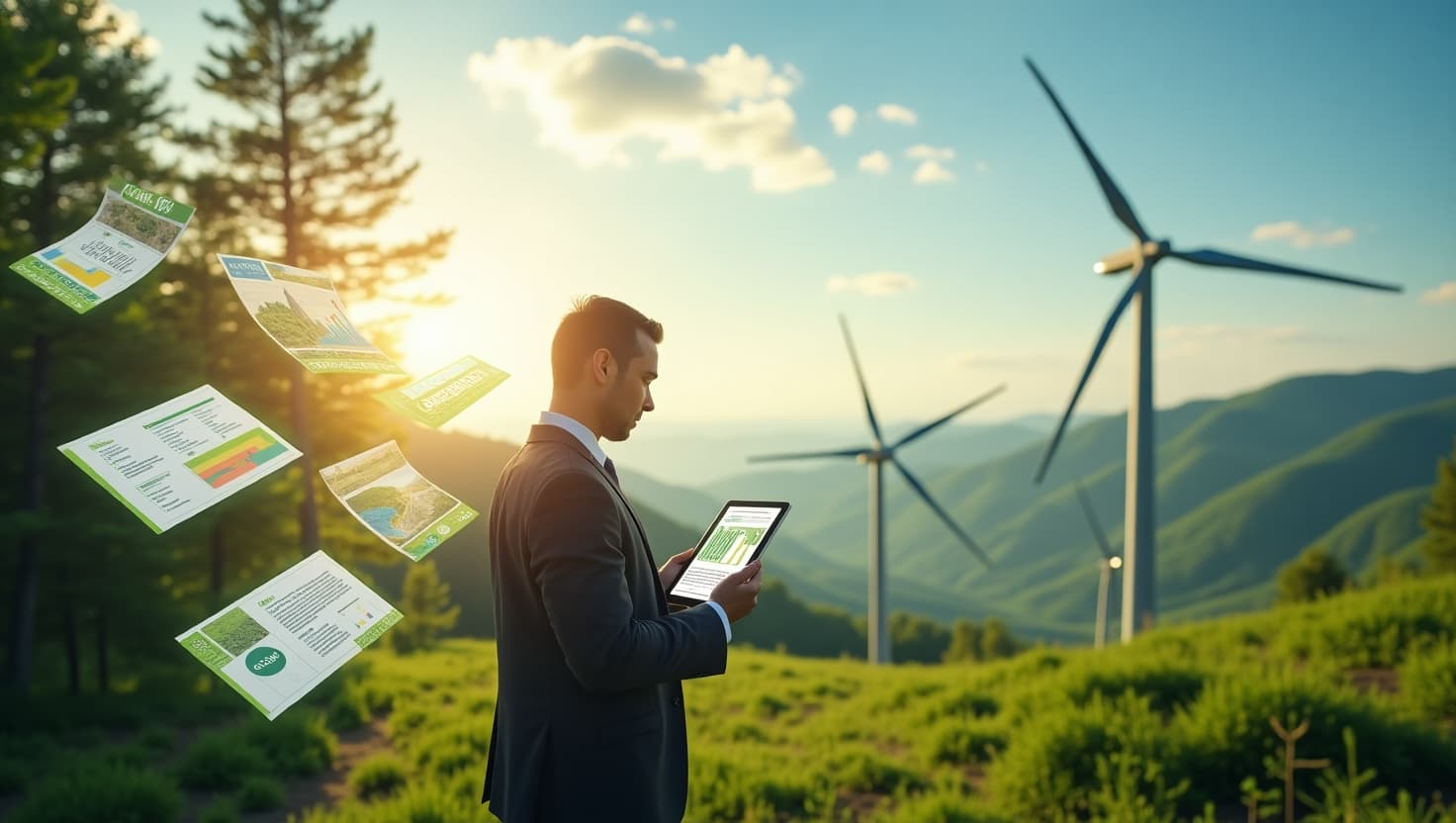
Exploring the Types of Green Energy Transforming Our Future
- Carbon Credits
- Sustainability
- types of green energy
Table of Contents
- A Fresh Look at Green Energy
- Why Green Energy Matters More Than Ever
- Breaking Down the Main Types
- Real-World Green Energy Successes
- Questions About Green Energy Answered
- Taking Your Next Steps
A Fresh Look at Green Energy
Imagine a world where the energy powering your home, car, and workplace comes from sources that don’t harm the planet. That’s the promise behind the types of green energy gaining traction worldwide. These energy forms tap into natural processes like sunlight, wind, and heat from the earth to generate power without the pollution tied to fossil fuels. Understanding these options is key to making smarter choices for a sustainable future. For instance, companies like Tesla are innovating in solar technology, making it easier for homeowners to adopt solar energy solutions.
Why Green Energy Matters More Than Ever
The urgency to shift away from carbon-heavy energy sources is clear. Climate change impacts are accelerating, and governments and businesses are responding by investing heavily in green energy. Beyond environmental benefits, green energy types offer economic advantages such as job creation in new industries and reduced energy costs over time. For example, the solar industry alone has created hundreds of thousands of jobs in the U.S. This shift also enhances energy security by diversifying supply sources, reducing reliance on imported fuels, and stabilizing energy prices.
Breaking Down the Main Types
When we talk about types of green energy, five major categories stand out:
Solar Energy: Solar energy harnesses sunlight through panels or concentrated solar power systems. It’s versatile and increasingly affordable, making it a favorite for residential and commercial use. Brands like SunPower and LG are leading the way in high-efficiency solar panels that maximize energy output.
Wind Energy: Wind energy captures the power of air currents using turbines. Wind farms, both onshore and offshore, contribute significantly to renewable energy grids. For instance, the Hornsea Project in the UK is one of the largest offshore wind farms, capable of powering over a million homes.
Hydroelectric Power: Hydroelectric power uses flowing water to spin turbines, generating electricity. It’s one of the oldest renewable sources and remains a major contributor globally. The Hoover Dam in the U.S. is a classic example, providing power to millions while also controlling water supply.
Geothermal Energy: Geothermal energy taps into heat stored beneath the earth’s surface. This steady, reliable source is ideal for heating and electricity generation in suitable regions. Companies like Ormat Technologies are pioneering geothermal projects that harness this energy efficiently.
Biomass Energy: Biomass energy converts organic materials like plant waste into fuel or electricity. It offers a way to recycle waste while producing energy but requires careful management to remain sustainable. For example, companies like Drax are transforming biomass into a renewable energy source by converting wood pellets into electricity.
Real-World Green Energy Successes
Take Denmark, for example, which generates nearly half of its electricity from wind power. This achievement didn’t happen overnight but through decades of policy support and technological innovation. Another case is Costa Rica, which runs on over 98% renewable energy, primarily hydroelectric, solar, and geothermal, showcasing how diverse green energy types can work together effectively. Furthermore, Germany’s Energiewende initiative demonstrates a national commitment to transitioning to renewable energy, significantly reducing carbon emissions.
Questions About Green Energy Answered
What’s the biggest hurdle for green energy adoption? Often, it’s the upfront cost and infrastructure changes needed. However, prices for solar panels and wind turbines have dropped dramatically, making them more accessible. Additionally, government incentives and tax credits can alleviate these costs for consumers.
Can green energy fully replace fossil fuels? While challenges remain, especially in storage and grid integration, advances in battery technology and smart grids are closing the gap. Companies like Tesla and Panasonic are at the forefront of developing efficient battery storage solutions that can store renewable energy for later use.
How can individuals contribute? Installing solar panels, supporting green energy providers, and staying informed about energy policies are practical steps anyone can take. Moreover, participating in local community solar projects can amplify your impact and foster a sense of community.
Taking Your Next Steps
Exploring the types of green energy is just the beginning. Whether you’re a homeowner, business leader, or simply curious, learning more and engaging with communities can accelerate the transition. Join our WhatsApp community to connect with others passionate about sustainable energy.
Consider evaluating your energy use and exploring green options available locally. Small changes add up, and together they drive the demand that powers innovation and investment in green energy. Start by conducting an energy audit of your home or business to identify areas for improvement.
The future is green, and understanding these energy types equips you to be part of the solution. Embrace the change and inspire others to follow suit, as collective action is crucial for a sustainable future.