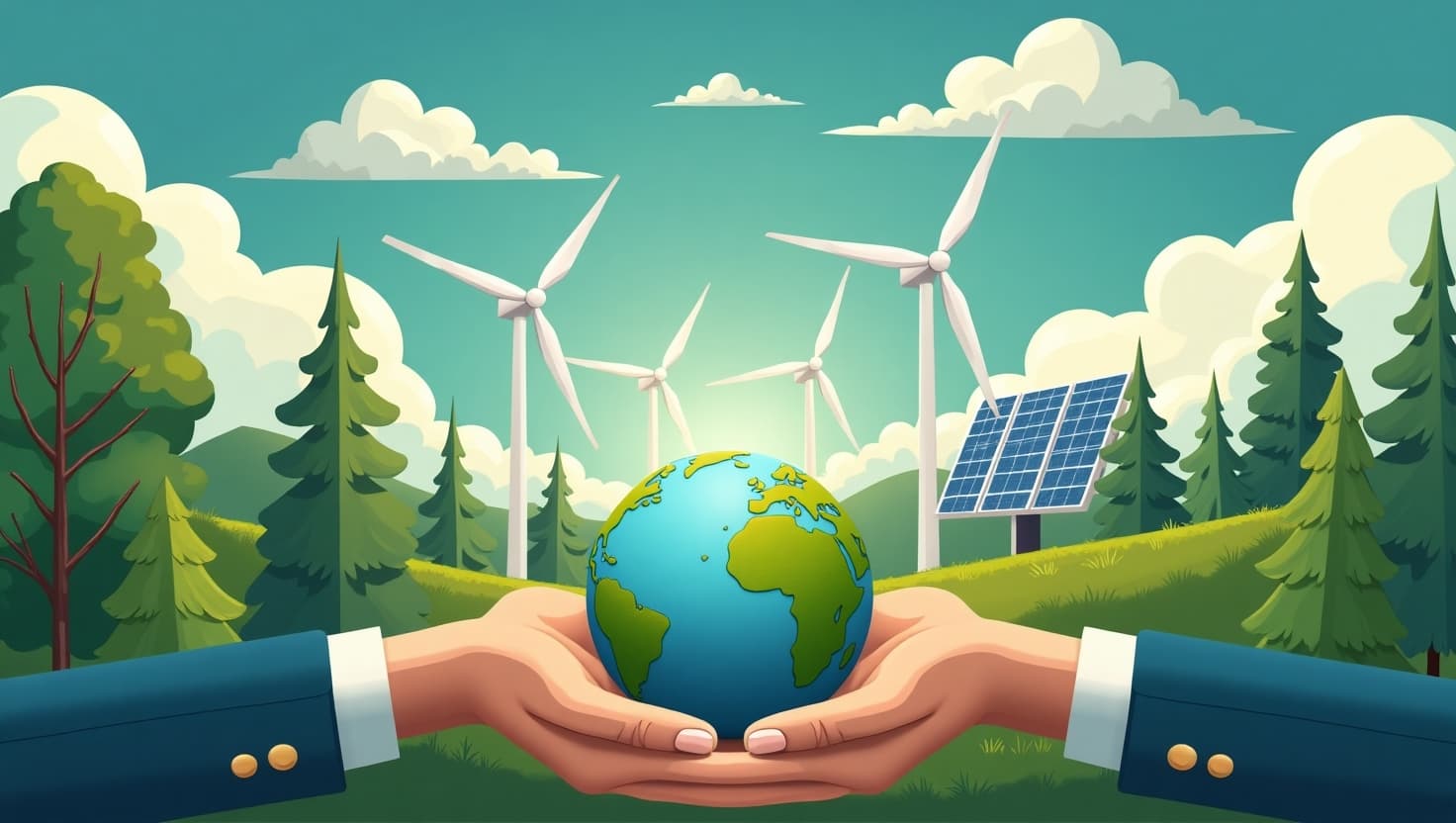
Exploring Types of Carbon Credit Projects That Make a Difference
- Carbon Credits
- Sustainability
- types of carbon credit projects
Table of Contents
- Understanding Carbon Credit Projects
- How Different Projects Cut Carbon
- Real-World Examples of Impact
- What You Should Know Before Investing
- Taking Action in Carbon Markets
Understanding Carbon Credit Projects
Carbon credits can seem abstract until you see the variety of projects behind them. These projects represent real-world efforts to reduce or remove greenhouse gases. When you hear about types of carbon credit projects, it’s about the different methods used to achieve these reductions. From planting trees to capturing methane, each project type plays a unique role in the carbon market.
The key is that these projects generate credits by either preventing emissions or absorbing carbon dioxide. This diversity means businesses and individuals can support causes that align with their values or operational goals. Understanding these types helps you make informed decisions when buying or investing in carbon credits.
How Different Projects Cut Carbon
Carbon credit projects generally fall into a few broad categories. Forestry projects, for example, focus on planting new trees or protecting existing forests. Trees naturally absorb CO2, making these projects a popular choice for carbon offsetting.
Renewable energy projects replace fossil fuel power with cleaner alternatives like wind, solar, or hydroelectric power. By generating clean energy, they reduce the amount of carbon released into the atmosphere.
Methane capture projects target emissions from landfills, agriculture, or wastewater treatment. Methane is a potent greenhouse gas, so capturing and converting it to energy or safely destroying it has a significant climate benefit.
Energy efficiency projects improve how energy is used in buildings, factories, or transportation. These projects reduce overall energy consumption, indirectly lowering carbon emissions.
Each type of project has its own verification standards and timelines, which affect the credibility and price of the carbon credits they generate.
Real-World Examples of Impact
Consider a reforestation project in Brazil that restored thousands of hectares of degraded land. This project not only sequestered millions of tons of CO2 but also supported local communities with jobs and sustainable agriculture training.
On the renewable energy front, a wind farm in India replaced coal-fired power plants, cutting emissions by millions of tons annually. The carbon credits from this project helped fund further expansion of clean energy infrastructure.
Methane capture projects in the United States have turned landfill gas into electricity, reducing methane emissions while providing a renewable energy source. These projects demonstrate how different types of carbon credit projects can deliver measurable environmental and social benefits.
What You Should Know Before Investing
When exploring types of carbon credit projects, it’s important to ask about verification. Who certifies the project’s emission reductions? Common standards include Verra’s VCS, Gold Standard, and the Clean Development Mechanism.
Another consideration is permanence. Forestry projects, for example, must ensure that trees remain protected long-term to maintain carbon storage. Projects with short-term impacts might not offer the same reliability.
Additionality is a key concept meaning the project’s carbon reductions wouldn’t have happened without the credit funding. This ensures your investment drives real change rather than subsidizing business-as-usual.
Understanding these factors helps you choose carbon credits that truly contribute to climate goals.
Taking Action in Carbon Markets
If you’re ready to engage with carbon credit projects, start by identifying your priorities. Do you want to support renewable energy, protect forests, or reduce methane emissions? Each choice has different impacts and benefits.
Next, research project developers and certification bodies to ensure credibility. Many platforms and brokers specialize in verified carbon credits and can guide you through the process.
Finally, join communities to stay informed and share experiences. Join our WhatsApp community to connect with others interested in carbon markets and types of carbon credit projects.
Taking these steps will help you contribute effectively to global emission reduction efforts while navigating the carbon credit landscape with confidence.