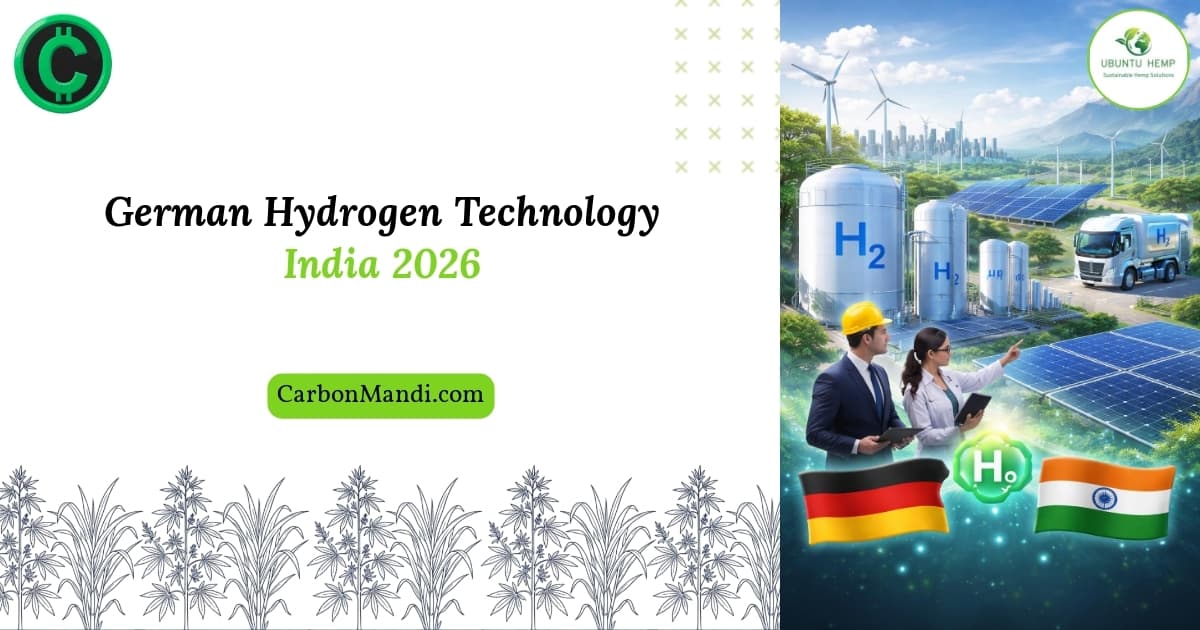
German Hydrogen Technology India: Your 2026 Roadmap
- Carbon Credits
- German Hydrogen Technology India: Complete Guide for India 2026
- Sustainability
Table of Contents
- Starting Point: Why Hydrogen Matters
- How Germany’s Expertise Fits India’s Needs
- Steps to Implement Hydrogen Solutions
- Success Stories from Indo-German Collaborations
- Questions on Technology and Adoption
- Moving Forward Together
Starting Point: Why Hydrogen Matters
Hydrogen is no longer just a buzzword in energy discussions; it’s a critical piece of the puzzle for India’s sustainable future. German Hydrogen Technology India: Complete Guide for India 2026 highlights how this clean fuel can transform industries and significantly reduce carbon footprints. With India’s growing energy demands and climate commitments, hydrogen emerges as a promising alternative to fossil fuels.
The challenge lies in adopting technology that is efficient, scalable, and cost-effective. Germany’s decades of experience in hydrogen production and fuel cell technology offer a blueprint for India’s ambitious energy transition. Understanding why hydrogen matters sets the stage for exploring how German innovations can be adapted locally. For instance, the use of hydrogen in transportation can lead to cleaner cities, while its application in heavy industries can help meet stringent emission targets.
How Germany’s Expertise Fits India’s Needs
Germany has pioneered hydrogen technology with a focus on green hydrogen produced from renewable energy sources. This aligns perfectly with India’s vast solar and wind energy potential. The German approach emphasizes safety, durability, and integration with existing infrastructure, which are crucial for India’s diverse industrial landscape.
Indian industries, from steel manufacturing to transportation, stand to benefit from these technologies. For example, companies like Thyssenkrupp are already exploring hydrogen-based processes in steel production. German firms bring advanced electrolyzers, storage solutions, and fuel cell designs that can be customized for Indian conditions. This synergy between German precision and Indian scale is the core of the German Hydrogen Technology India: Complete Guide for India 2026.
Steps to Implement Hydrogen Solutions
Implementing hydrogen technology in India involves several key steps:
- Assessing local renewable energy capacity to produce green hydrogen. This could involve mapping solar and wind resources in regions like Rajasthan and Gujarat.
- Selecting appropriate German technology partners with proven track records, such as Siemens or Linde, who can provide the necessary expertise and equipment.
- Developing pilot projects to test hydrogen applications in sectors like transport and power generation. For instance, pilot hydrogen fuel cell buses can be launched in urban areas to gauge public acceptance.
- Establishing safety and regulatory frameworks tailored to hydrogen use, ensuring compliance with international standards.
- Scaling successful pilots into commercial operations with government and private sector collaboration, potentially leveraging public-private partnerships for funding.
Each step requires careful planning and coordination. The German Hydrogen Technology India: Complete Guide for India 2026 provides detailed strategies to navigate these phases effectively, ensuring stakeholders are well-prepared.
Success Stories from Indo-German Collaborations
One notable example is a joint venture between a German hydrogen tech company and an Indian steel plant. By integrating hydrogen-based reduction processes, the plant cut carbon emissions by 30% within the first year, showcasing the potential for significant environmental impact. Another case involved hydrogen-powered buses in a metropolitan Indian city, reducing urban pollution and demonstrating operational feasibility while improving public transport efficiency.
These success stories illustrate the practical benefits and challenges of deploying German hydrogen technology in India. They also highlight the importance of local adaptation and continuous innovation, as seen in the collaboration between Indian Oil Corporation and German firms to develop hydrogen refueling stations across the country.
Questions on Technology and Adoption
What about the cost of hydrogen compared to traditional fuels? How safe is hydrogen infrastructure in densely populated areas? Can India’s renewable energy grid support large-scale hydrogen production?
These questions are common among stakeholders. The German Hydrogen Technology India: Complete Guide for India 2026 addresses them by presenting data on cost trends, safety protocols, and grid integration techniques. It also discusses policy incentives and international cooperation frameworks that support adoption, ensuring stakeholders are informed and prepared for the transition.
Moving Forward Together
India’s hydrogen future depends on collaboration, innovation, and informed decision-making. Businesses and policymakers can start by joining knowledge-sharing platforms and pilot programs. For those interested in ongoing discussions and updates, Join our WhatsApp community to connect with experts and peers.
Carbonmandi is building this initiative with the advisory of Ubuntuhemp, ensuring that the transition to hydrogen technology is not only feasible but also sustainable and beneficial for all stakeholders involved.