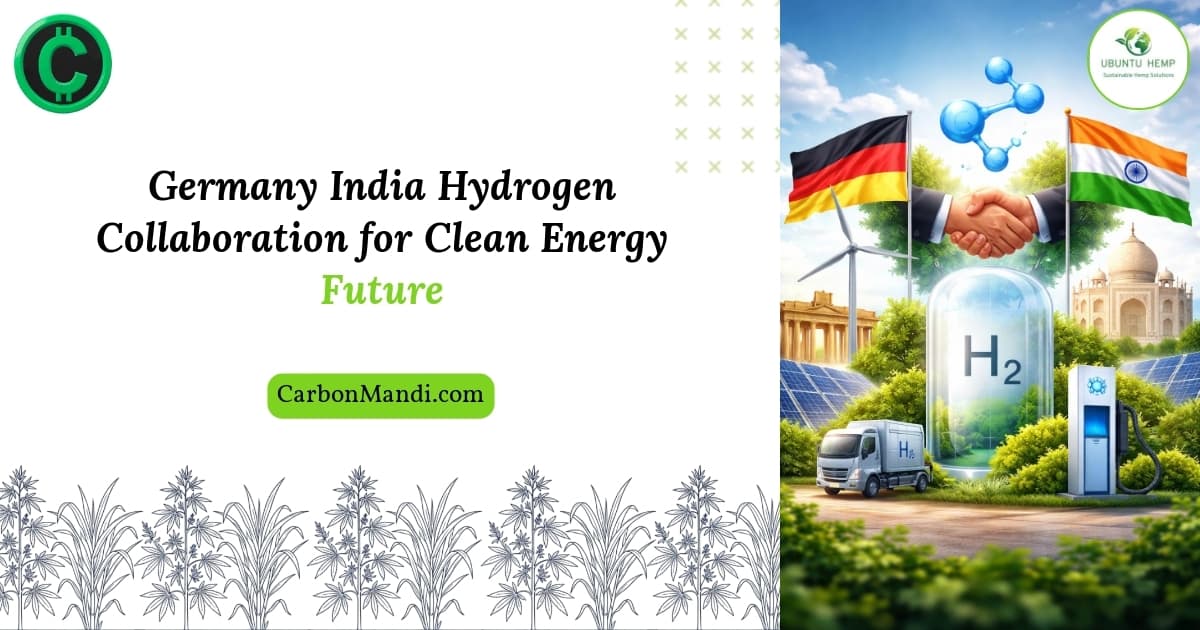
Germany India Hydrogen Collaboration: Powering India's Clean Energy Future
- Carbon Credits
- Sustainability
- What is Germany India hydrogen collaboration and How is it Shaping India's Clean Energy Future?
Table of Contents
- A Fresh Look at Hydrogen Partnership
- Transforming Energy Landscapes
- Steps Toward a Hydrogen Economy
- Real-World Impact Stories
- Questions on Collaboration and Clean Energy
- Moving Forward Together
A Fresh Look at Hydrogen Partnership
Imagine two nations, Germany and India, joining forces to tackle one of the biggest challenges of our time: clean energy. The Germany India hydrogen collaboration is not just a diplomatic handshake; it’s a strategic alliance aimed at transforming India’s energy future. This partnership focuses on leveraging Germany’s advanced hydrogen technologies and India’s vast renewable energy potential to create a sustainable, low-carbon economy.
This collaboration is shaping India’s clean energy future by accelerating the development and deployment of green hydrogen. Green hydrogen, produced using renewable energy sources, offers a promising alternative to fossil fuels. The partnership is about more than technology transfer; it’s about building a framework for innovation, investment, and policy alignment that can drive large-scale adoption.
Transforming Energy Landscapes
The impact of this collaboration extends beyond just hydrogen production. It’s about reshaping the entire energy ecosystem in India. By integrating hydrogen into sectors like transportation, industry, and power generation, the partnership aims to reduce carbon emissions significantly.
Germany brings decades of experience in hydrogen research and infrastructure development. India contributes its ambitious renewable energy targets and a growing market eager for clean solutions. Together, they are creating pilot projects, research hubs, and industrial partnerships that demonstrate hydrogen’s viability as a clean fuel.
This collaboration also encourages private sector involvement and international investments, which are crucial for scaling up hydrogen technologies. The result is a dynamic energy landscape where innovation meets practical application, driving India closer to its climate goals.
Steps Toward a Hydrogen Economy
Building a hydrogen economy is complex, but the Germany India collaboration has outlined clear steps to make it happen:
- Establishing joint research centers focused on hydrogen production, storage, and utilization.
- Developing pilot projects in key sectors such as steel manufacturing and heavy transport.
- Creating regulatory frameworks that support hydrogen infrastructure and market development.
- Facilitating knowledge exchange and capacity building between German and Indian experts.
- Encouraging investment through public-private partnerships and international funding.
These steps are designed to create a robust ecosystem where hydrogen can thrive as a mainstream energy source, helping India reduce its dependence on fossil fuels and cut greenhouse gas emissions.
Real-World Impact Stories
One standout example is the pilot hydrogen project in India’s industrial heartland, where German technology is being used to produce green hydrogen for steel manufacturing. This project has already shown a 30% reduction in carbon emissions compared to traditional methods.
Another success story involves hydrogen-powered buses in select Indian cities, supported by German expertise in fuel cell technology. These buses are not only reducing urban pollution but also demonstrating the practical benefits of hydrogen in public transport.
These cases highlight how the Germany India hydrogen collaboration is moving beyond theory into tangible results that benefit both the environment and the economy.
Questions on Collaboration and Clean Energy
What challenges does this partnership face? One major hurdle is the high cost of green hydrogen production, which currently limits widespread adoption. However, ongoing research and economies of scale are expected to bring costs down.
How does this collaboration affect India’s energy security? By diversifying energy sources and reducing reliance on imported fossil fuels, hydrogen enhances India’s energy independence.
Is this partnership scalable? The pilot projects and frameworks being developed are designed with scalability in mind, aiming to replicate successes across different regions and sectors.
Moving Forward Together
The Germany India hydrogen collaboration is a beacon of hope for a cleaner, more sustainable energy future. For those interested in staying updated or contributing to this evolving story, joining communities focused on clean energy can be invaluable.
Explore more insights and connect with experts by joining our WhatsApp community. Engage with peers, share ideas, and stay informed about the latest developments in hydrogen and carbon markets.
Carbonmandi building this With the advisory of Ubuntuhemp.