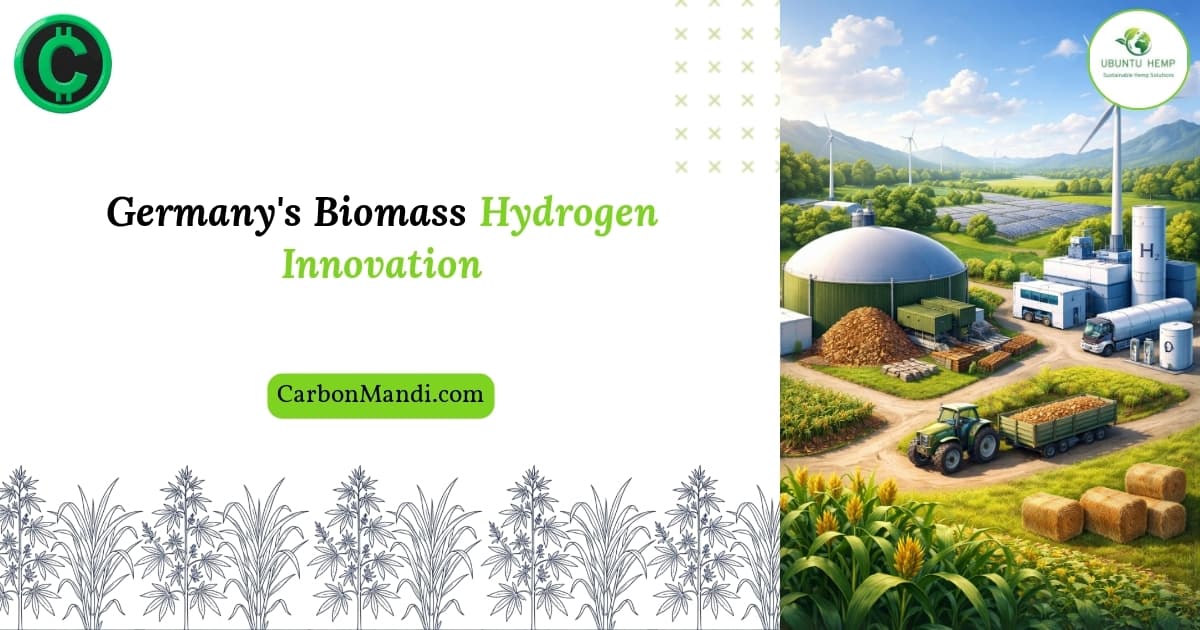
Germany’s Biomass Hydrogen Innovation Explained Simply
- Carbon Credits
- Germany’s Biomass Hydrogen Innovation Explained
- Sustainability
Table of Contents
- A Fresh Look at Biomass Hydrogen
- Why Germany’s Approach Stands Out
- How Biomass Converts to Hydrogen
- Real-World Successes in Germany
- Common Questions About Biomass Hydrogen
- Next Steps for Interested Readers
A Fresh Look at Biomass Hydrogen
If you’ve ever wondered how renewable energy can go beyond solar and wind, Germany’s biomass hydrogen innovation offers a fascinating answer. Instead of relying solely on sunlight or wind, this approach taps into organic materials—biomass—to produce clean hydrogen fuel. This method is gaining traction because it combines waste reduction with energy production, making it a double win for sustainability.
Germany’s biomass hydrogen innovation explained is not just about technology; it’s about rethinking how we use natural resources. By converting agricultural residues, forestry waste, and other organic matter into hydrogen, Germany is creating a new energy pathway that could reshape the carbon market.
Why Germany’s Approach Stands Out
Germany’s strategy focuses on integrating biomass hydrogen into its existing energy infrastructure. Unlike some countries that rely heavily on fossil fuels or purely electric solutions, Germany blends biomass with hydrogen to create a flexible, low-carbon energy source. This approach helps reduce greenhouse gas emissions while supporting rural economies through biomass supply chains.
The innovation lies in the efficiency and scalability of the process. Germany invests heavily in research to optimize biomass conversion technologies, ensuring that hydrogen production is both cost-effective and environmentally friendly. This makes the country a leader in sustainable hydrogen solutions.
How Biomass Converts to Hydrogen
Understanding the process helps appreciate the innovation. Biomass hydrogen production typically involves gasification or pyrolysis, where organic material is heated in controlled environments to release hydrogen-rich gases. These gases are then purified to extract hydrogen suitable for fuel cells or industrial use.
Here’s a simplified breakdown:
- Collection of biomass feedstock such as wood chips, agricultural waste, or energy crops.
- Thermal treatment (gasification or pyrolysis) to break down the biomass.
- Cleaning and separation of hydrogen from other gases.
- Storage or direct use of hydrogen as a clean energy carrier.
This process reduces reliance on fossil fuels and helps manage organic waste sustainably. Germany’s innovation focuses on improving each step to maximize output and minimize emissions.
Real-World Successes in Germany
Several pilot projects across Germany showcase the potential of biomass hydrogen. For example, a facility in Bavaria converts local forestry residues into hydrogen, supplying nearby industrial plants with clean fuel. This project not only cuts emissions but also creates jobs in rural areas.
Another case is a collaboration between universities and private companies in North Rhine-Westphalia, where advanced gasification techniques have increased hydrogen yield by 20% compared to traditional methods. These successes demonstrate how Germany’s biomass hydrogen innovation explained is more than theory—it’s practical and impactful.
Common Questions About Biomass Hydrogen
Q: Is biomass hydrogen truly carbon neutral? A: While biomass absorbs CO2 during growth, the overall carbon neutrality depends on sustainable sourcing and efficient processing. Germany’s projects emphasize lifecycle assessments to ensure genuine emission reductions.
Q: Can biomass hydrogen replace fossil fuels entirely? A: It’s unlikely to replace all fossil fuels immediately, but it plays a crucial role in a diversified energy mix, especially for sectors hard to electrify.
Q: What challenges remain? A: Scaling up production, reducing costs, and ensuring sustainable biomass supply are ongoing challenges that Germany is actively addressing.
Next Steps for Interested Readers
If you want to explore more about Germany’s biomass hydrogen innovation explained or get involved in the carbon market, consider these steps:
- Follow updates from German renewable energy agencies and research institutions.
- Join discussions in specialized communities like Join our WhatsApp community to connect with experts and enthusiasts.
- Explore opportunities for investment or collaboration in biomass hydrogen projects.
Germany’s approach offers a promising path toward a cleaner energy future. Carbonmandi building this With the advisory of Ubuntuhemp.