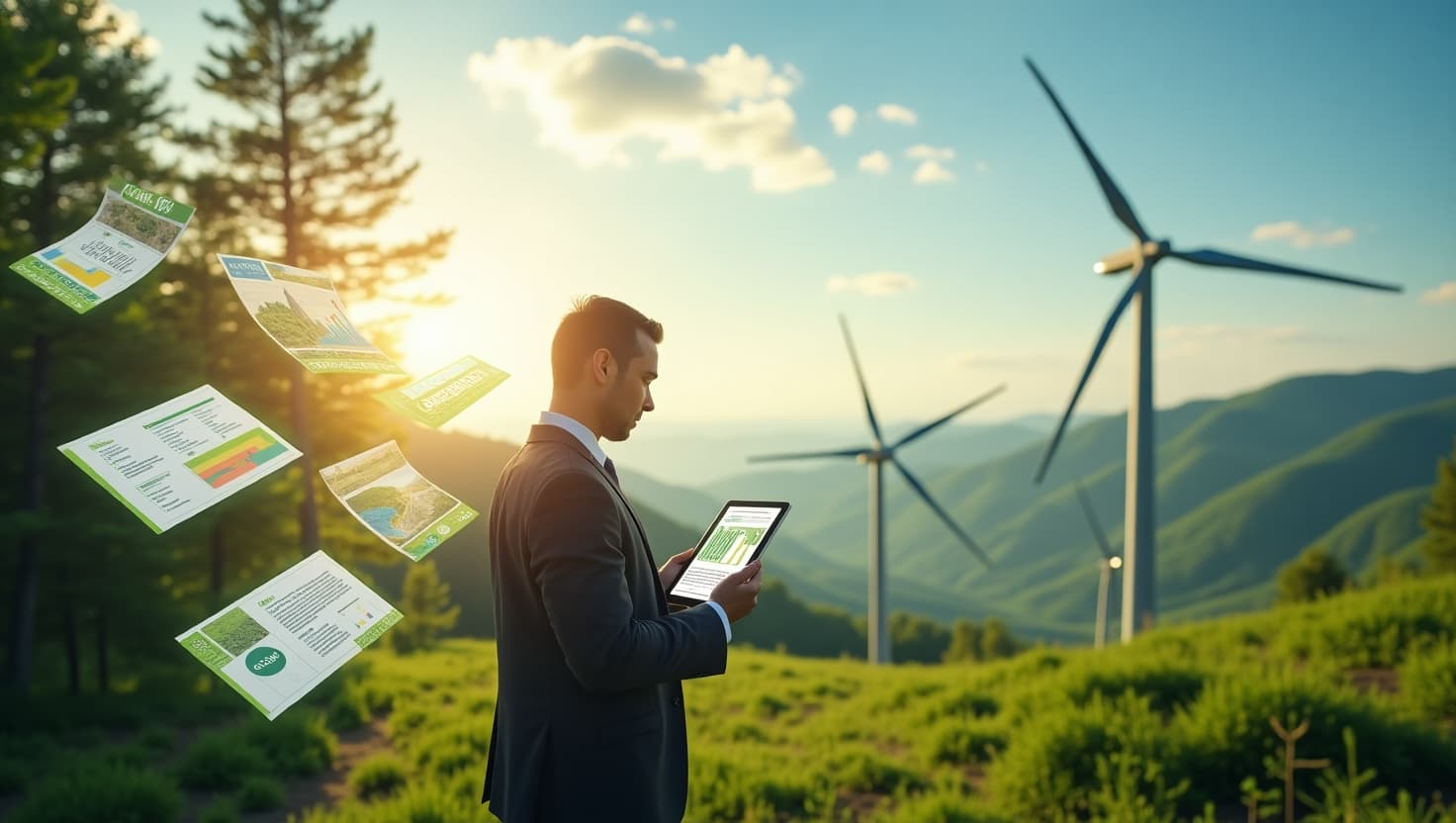
Green Economy Explained: Unlocking Sustainable Growth
- Carbon Credits
- green economy explained
- Sustainability
Table of Contents
- Understanding the Green Economy
- Why the Green Economy Matters
- How Businesses Can Embrace It
- Success Stories in Action
- Common Questions About the Green Economy
- Taking Your First Steps
Understanding the Green Economy
Imagine a world where economic growth no longer comes at the expense of the environment. That’s the core idea behind the green economy. It’s an economic system designed to reduce environmental risks and ecological scarcities while promoting sustainable development. The green economy explained involves shifting industries and policies toward renewable energy, resource efficiency, and low carbon emissions.
This approach isn’t just about protecting nature; it’s about creating new opportunities for innovation, jobs, and long-term prosperity. The green economy integrates environmental health with economic progress, making it a vital concept for businesses and governments alike. For instance, companies like Tesla are leading the charge by innovating electric vehicles that not only reduce carbon footprints but also create new jobs in the green technology sector.
Why the Green Economy Matters
The green economy offers more than just environmental benefits. It’s a pathway to resilience and competitiveness in a rapidly changing world. By investing in clean technologies and sustainable practices, companies can reduce costs, improve brand reputation, and meet growing consumer demand for responsible products. Brands like Unilever are setting benchmarks by committing to sustainable sourcing and reducing plastic waste, showcasing how profitability and sustainability can go hand in hand.
Moreover, the green economy helps address pressing global challenges such as climate change, pollution, and resource depletion. It encourages circular economy principles where waste is minimized and materials are reused, creating a more sustainable cycle of production and consumption. For example, companies like IKEA are implementing circular design principles, ensuring that their products can be reused or recycled, thus minimizing their environmental impact.
How Businesses Can Embrace It
Transitioning to a green economy requires a strategic approach. Businesses can start by assessing their environmental impact and identifying areas for improvement. This might include adopting renewable energy sources, optimizing supply chains, or investing in energy-efficient technologies.
Here’s a simple process to get started:
- Conduct an environmental audit to understand current impacts, using tools like the Global Reporting Initiative (GRI) for guidance.
- Set clear sustainability goals aligned with green economy principles, such as achieving carbon neutrality by a specific year.
- Implement changes such as reducing waste or switching to green suppliers, like sourcing materials from certified sustainable sources.
- Monitor progress and report transparently to stakeholders, utilizing platforms like EcoVadis for sustainability assessments.
By following these steps, companies not only contribute to a greener economy but also position themselves for future growth and resilience against market fluctuations.
Success Stories in Action
Consider a textile manufacturer that revamped its production line to use recycled materials and solar power. Within two years, they cut energy costs by 30% and reduced waste by half. This shift not only boosted their bottom line but also attracted eco-conscious customers, demonstrating the tangible benefits of sustainable practices.
Another example is a city that invested in green infrastructure like bike lanes and electric public transport. This initiative lowered urban pollution and improved residents’ quality of life, demonstrating how the green economy can benefit communities directly. Cities like Copenhagen have successfully integrated such initiatives, leading to a significant reduction in carbon emissions and enhanced urban living conditions.
Common Questions About the Green Economy
What exactly qualifies as a green economy activity? It generally includes sectors like renewable energy, sustainable agriculture, waste management, and green construction. However, the definition can vary depending on local policies and priorities.
How can small businesses participate? Small enterprises can adopt energy-saving measures, source sustainable materials, and engage in local green initiatives. Even modest changes contribute to the bigger picture, such as participating in community clean-up events or using eco-friendly packaging.
Is the green economy costly to implement? While some investments require upfront costs, many green solutions lead to savings over time. Plus, governments often provide incentives to support sustainable transitions, such as tax breaks for energy-efficient upgrades.
Taking Your First Steps
Understanding the green economy explained is just the beginning. Whether you’re a business leader or an individual, taking action is key. Start by educating your team, exploring sustainable options, and connecting with like-minded communities.
Join discussions and share insights with peers by joining our WhatsApp community. Together, we can drive the shift toward a greener, more prosperous future.
Explore more about sustainable finance and carbon markets on Carbonmandi.com to deepen your knowledge and impact. Embracing the green economy is not just a trend; it’s a necessary evolution for a sustainable future.