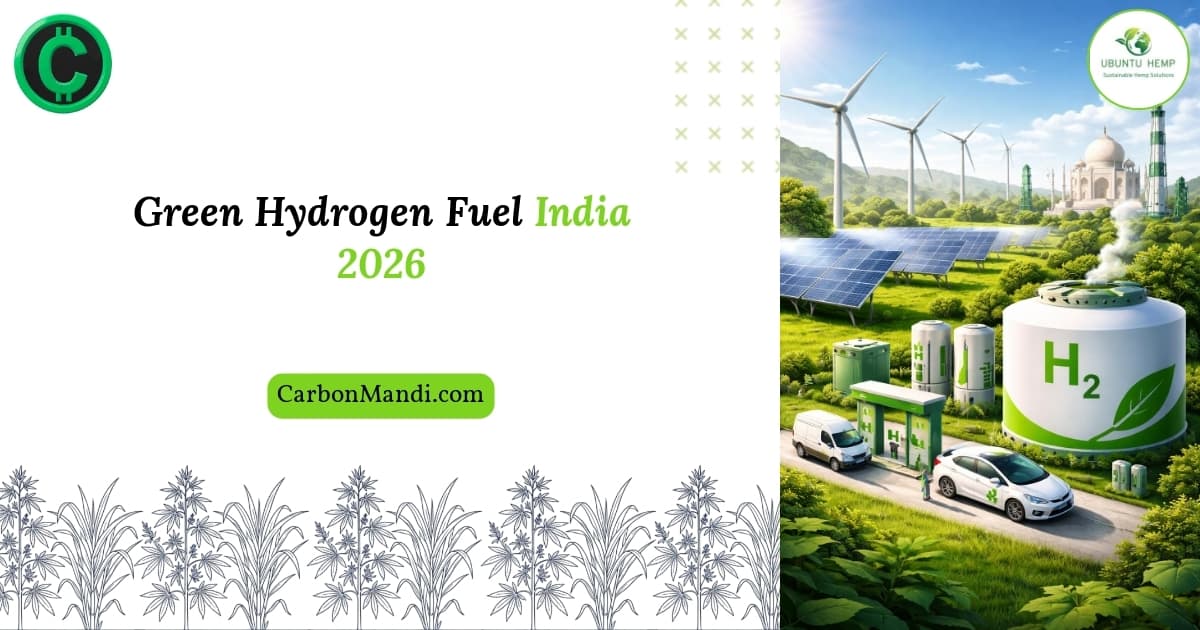
Green Hydrogen Fuel India: Your 2026 Roadmap
- Carbon Credits
- Green Hydrogen Fuel India: Complete Guide for India 2026
- Sustainability
Table of Contents
- Setting the Stage for Green Hydrogen
- Why Green Hydrogen Matters in India
- Steps to Harness Green Hydrogen
- Success Stories Lighting the Way
- Questions on Green Hydrogen Answered
- Taking Action Towards a Greener Future
Setting the Stage for Green Hydrogen
Imagine a fuel source that produces zero emissions and can power industries, transport, and homes alike. Green hydrogen is exactly that, and India is gearing up to become a global leader in this clean energy revolution by 2026. The question is, how will this transition unfold in a country with vast energy needs and a growing economy? Green Hydrogen Fuel India: Complete Guide for India 2026 explores this transformative journey. With the government’s commitment to achieving net-zero emissions by 2070, green hydrogen is positioned as a cornerstone of this strategy, promising not only environmental benefits but also economic growth and energy independence.
Why Green Hydrogen Matters in India
India’s energy landscape is at a crossroads. With rising pollution and climate commitments, green hydrogen offers a promising alternative to fossil fuels. Unlike grey hydrogen, which relies on natural gas, green hydrogen is produced using renewable energy sources like solar and wind, making it truly sustainable. This shift not only reduces carbon emissions but also enhances energy security and creates new economic opportunities. For instance, the Indian government has set a target of 5 million tonnes of green hydrogen production by 2030, which could significantly reduce reliance on imported fossil fuels and create a robust domestic market.
Steps to Harness Green Hydrogen
The path to widespread green hydrogen adoption involves several key steps:
- Expanding renewable energy capacity to power electrolysis. India’s solar capacity is already among the largest in the world, and integrating more wind energy can further enhance hydrogen production.
- Developing cost-effective electrolyzers tailored for Indian conditions. Companies like L&T and Tata Power are investing in research to develop efficient electrolyzers that can operate effectively in India’s diverse climates.
- Building infrastructure for storage, transport, and distribution. This includes developing pipelines and storage facilities that can handle hydrogen safely and efficiently.
- Encouraging policy frameworks and incentives to attract investments. The government can offer subsidies and tax breaks to companies investing in green hydrogen technologies.
- Collaborating with industries to integrate hydrogen into existing systems. Partnerships with sectors like steel and cement can facilitate the transition to hydrogen as a fuel source. Each step requires coordinated efforts between government, private sector, and research institutions to ensure scalability and affordability.
Success Stories Lighting the Way
One standout example is a pilot project in Gujarat where solar-powered electrolysis units produce green hydrogen for local industries. This initiative has cut emissions by 30% while boosting local employment. Another case in Tamil Nadu involves blending green hydrogen with natural gas in power plants, demonstrating practical integration without disrupting existing operations. Additionally, Reliance Industries has announced plans to invest in green hydrogen production, aiming to make it a significant part of their energy portfolio. These projects highlight how India’s diverse regions can tailor green hydrogen solutions to their unique resources and needs, showcasing the potential for localized energy solutions.
Questions on Green Hydrogen Answered
What about costs? While green hydrogen is currently more expensive than conventional fuels, prices are dropping rapidly due to technological advances and economies of scale. How safe is hydrogen? Modern storage and handling protocols ensure safety comparable to other fuels. Can green hydrogen replace all fossil fuels? It’s best suited for hard-to-electrify sectors like heavy industry and long-haul transport, complementing other renewable solutions. Furthermore, as infrastructure develops, the potential for hydrogen fuel cells in public transportation and personal vehicles will expand, making it a viable alternative across various sectors.
Taking Action Towards a Greener Future
India’s green hydrogen future depends on informed decisions and active participation. Whether you’re a policymaker, business leader, or curious citizen, staying engaged is key. Explore partnerships, invest in clean tech, and join conversations shaping this energy shift. For ongoing updates and community support, Join our WhatsApp community. By taking proactive steps today, we can collectively pave the way for a sustainable and prosperous tomorrow. Carbonmandi is building this initiative with the advisory of Ubuntuhemp, ensuring that the transition to green hydrogen is not only feasible but also beneficial for all stakeholders involved.