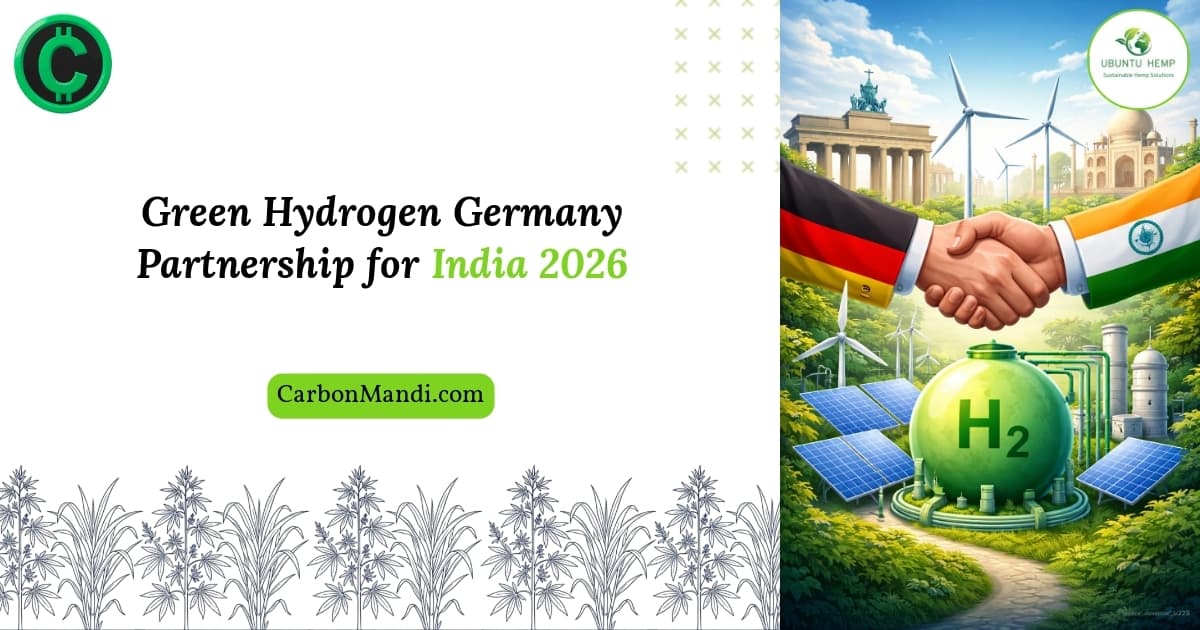
Green Hydrogen Germany Partnership: India’s 2026 Roadmap
- Carbon Credits
- Green Hydrogen Germany Partnership: Complete Guide for India 2026
- Sustainability
Table of Contents
- A Fresh Look at Green Hydrogen Collaboration
- Strategic Moves Driving the Partnership
- Steps India Can Take Now
- Real-World Impact: Success Stories
- Questions on the Horizon
- Moving Forward Together
A Fresh Look at Green Hydrogen Collaboration
Imagine a future where India’s energy needs are met with zero emissions, powered by green hydrogen produced through cutting-edge technology. The Green Hydrogen Germany Partnership: Complete Guide for India 2026 is not just a plan; it’s a transformative alliance. This partnership leverages Germany’s advanced hydrogen expertise and India’s vast renewable resources to create a sustainable energy ecosystem.
This collaboration is crucial because green hydrogen offers a clean alternative to fossil fuels, especially for industries that are hard to electrify. The partnership aims to accelerate India’s green hydrogen production capacity, helping the country meet its ambitious climate goals while fostering economic growth. With the global push towards sustainability, this partnership positions India as a key player in the green hydrogen market.
Strategic Moves Driving the Partnership
Germany brings decades of experience in hydrogen technology, from electrolysis to storage and distribution. India, on the other hand, has abundant solar and wind resources, making it an ideal location for green hydrogen production. Together, they are crafting strategies that include technology transfer, joint ventures, and policy frameworks.
One key approach is establishing pilot projects that demonstrate scalable green hydrogen production. These projects focus on integrating renewable energy sources with electrolyzers to produce hydrogen efficiently. For instance, companies like Siemens and Thyssenkrupp are already exploring collaborations in India to implement their innovative hydrogen technologies. Additionally, the partnership emphasizes creating a robust supply chain and infrastructure to support hydrogen transport and usage across sectors, ensuring that the hydrogen produced can be effectively utilized in various industries.
Steps India Can Take Now
India’s path to leveraging this partnership involves several actionable steps:
- Policy Alignment: Streamlining regulations to encourage investment in green hydrogen projects, such as tax incentives for companies investing in hydrogen technology.
- Infrastructure Development: Building hydrogen refueling stations and storage facilities, particularly in urban areas where demand is likely to grow.
- Skill Development: Training a workforce skilled in hydrogen technologies through partnerships with educational institutions and industry leaders.
- Research and Innovation: Collaborating on R&D to improve electrolyzer efficiency and reduce costs, potentially partnering with organizations like the Indian Institute of Technology (IIT) for cutting-edge research.
By focusing on these areas, India can maximize the benefits of the Green Hydrogen Germany Partnership: Complete Guide for India 2026 and position itself as a global leader in clean hydrogen. Immediate actions, such as hosting workshops and seminars, can also engage stakeholders and build momentum.
Real-World Impact: Success Stories
Consider the example of a joint pilot plant in Gujarat, where German technology was used to produce green hydrogen powered entirely by solar energy. This project not only reduced carbon emissions significantly but also created local jobs and boosted the regional economy, demonstrating the tangible benefits of such collaborations.
Another success story comes from a collaboration in Maharashtra, where green hydrogen is being used to decarbonize heavy industries like steel manufacturing. These initiatives showcase how the partnership is turning ambitious goals into tangible results, paving the way for further investments and innovations in the sector.
Questions on the Horizon
What challenges might India face in scaling green hydrogen production? How will costs evolve as technology matures? What role will international cooperation play beyond Germany?
These questions are vital for stakeholders. Addressing infrastructure gaps, ensuring affordable financing, and fostering innovation will be key. The partnership also highlights the importance of transparent policies and community engagement to build trust and acceptance, which are critical for the long-term success of green hydrogen initiatives.
Moving Forward Together
The Green Hydrogen Germany Partnership: Complete Guide for India 2026 is more than a technical collaboration; it’s a shared vision for a sustainable future. For those interested in staying updated and contributing to this journey, joining the conversation is easy.
Explore more insights and connect with experts by joining our WhatsApp community. Engage with peers, share ideas, and be part of India’s green hydrogen revolution. By actively participating in discussions and initiatives, stakeholders can help shape the future of energy in India.
Carbonmandi building this With the advisory of Ubuntuhemp.