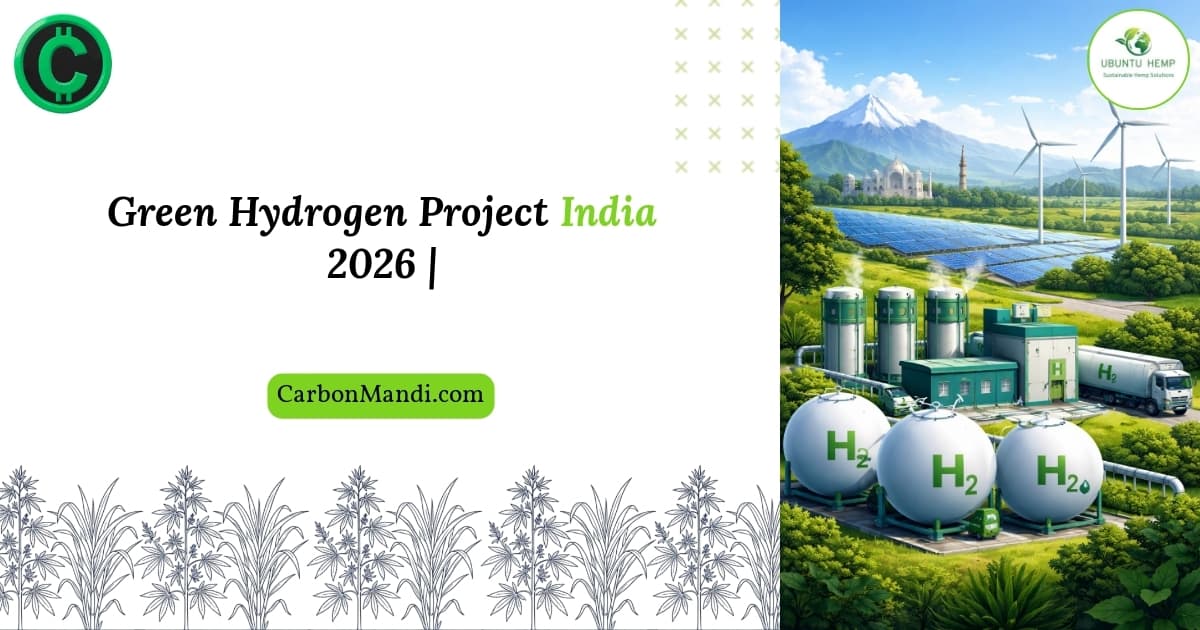
Green Hydrogen Project India: Your 2026 Roadmap
- Carbon Credits
- Green Hydrogen Project India: Complete Guide for India 2026
- Sustainability
Table of Contents
- Starting Point: Why Green Hydrogen?
- Blueprint for India's Green Hydrogen Strategy
- Steps to Launch a Green Hydrogen Project
- Success Stories Lighting the Way
- Questions That Matter
- Moving Forward with Confidence
Starting Point: Why Green Hydrogen?
India's energy landscape is shifting fast, and green hydrogen is at the heart of this transformation. Imagine a fuel that produces zero emissions and can power industries, transport, and even homes. That's green hydrogen, made by splitting water using renewable energy. The question is, how can India harness this potential effectively by 2026? This guide unpacks the essentials of the Green Hydrogen Project India: Complete Guide for India 2026, helping you understand the opportunities and challenges ahead. With the global push towards sustainable energy, India stands at a pivotal moment to lead in green hydrogen production, leveraging its vast renewable resources.
Blueprint for India's Green Hydrogen Strategy
India's approach to green hydrogen is ambitious. The government has set targets to produce 5 million tonnes annually by 2030, focusing on integrating solar and wind power with electrolysis technology. This strategy involves collaboration between public and private sectors, infrastructure development, and policy incentives. Unlike traditional energy projects, green hydrogen requires a holistic plan that includes supply chain logistics, storage solutions, and market creation. The emphasis is on sustainability and scalability to meet India's growing energy demands. Companies like Adani Green Energy and NTPC are already investing heavily in this sector, showcasing the potential for large-scale operations.
Steps to Launch a Green Hydrogen Project
Launching a green hydrogen project in India involves several key phases:
- Site Selection: Choose locations with abundant renewable energy resources, such as solar-rich states like Rajasthan or wind-heavy areas like Tamil Nadu. For instance, Rajasthan's Thar Desert offers vast solar potential, making it an ideal site.
- Technology Assessment: Decide on the electrolysis technology that fits your scale and budget, whether alkaline, PEM, or solid oxide electrolyzers. Companies like Siemens and ITM Power provide advanced solutions tailored for different scales.
- Regulatory Compliance: Navigate India's evolving policies, including subsidies, environmental clearances, and safety standards. Staying updated with the Ministry of New and Renewable Energy (MNRE) guidelines is crucial.
- Partnerships: Collaborate with technology providers, government bodies, and financial institutions to secure funding and expertise. Forming alliances with established firms can accelerate project development.
- Pilot Testing: Start with a small-scale pilot to validate processes and optimize operations before scaling up. This step is vital for identifying potential challenges and refining the approach. Each step requires careful planning and alignment with India's energy goals to ensure project success, with a focus on innovation and community involvement.
Success Stories Lighting the Way
Several projects in India showcase the promise of green hydrogen. For example, a joint venture in Gujarat has successfully integrated a 100 MW solar plant with hydrogen production, supplying fuel to local industries. Another case in Andhra Pradesh involves using green hydrogen for clean transportation, reducing diesel dependency. These examples highlight how combining renewable energy with innovative technology can create viable business models and environmental benefits. They also demonstrate the importance of government support and community engagement. Notably, the Hydrogen Energy Mission launched by the Indian government aims to facilitate such projects, providing a framework for success.
Questions That Matter
What are the biggest hurdles for green hydrogen in India? Cost remains a challenge, but falling renewable energy prices and technological advances are closing the gap. How does green hydrogen compare to other clean fuels? It offers higher energy density and zero emissions, making it ideal for heavy industries and long-distance transport. What role can businesses play? Companies can invest in green hydrogen projects or adopt hydrogen fuel to meet sustainability targets. Understanding these questions helps stakeholders make informed decisions. Engaging with industry forums and attending conferences can provide valuable insights into the evolving landscape.
Moving Forward with Confidence
The Green Hydrogen Project India: Complete Guide for India 2026 is more than a roadmap; it's an invitation to be part of a cleaner energy future. Whether you're a policymaker, entrepreneur, or enthusiast, the time to act is now. Join discussions, explore partnerships, and stay informed through communities like ours.
Join our WhatsApp community to connect with experts and peers.
Carbonmandi building this With the advisory of Ubuntuhemp.