Harnessing Hemp Bioenergy for India’s Circular Bioeconomy
- Carbon Credits
- Hemp Bioenergy and India’s Circular Bioeconomy
- Sustainability
Table of Contents
- Rethinking Energy with Hemp
- The Ripple Effects of Hemp Bioenergy
- Steps to Integrate Hemp in Bioenergy Systems
- Real-World Wins: Hemp in Action
- Questions on Hemp Bioenergy Answered
- Moving Forward with Circular Bioeconomy
Rethinking Energy with Hemp
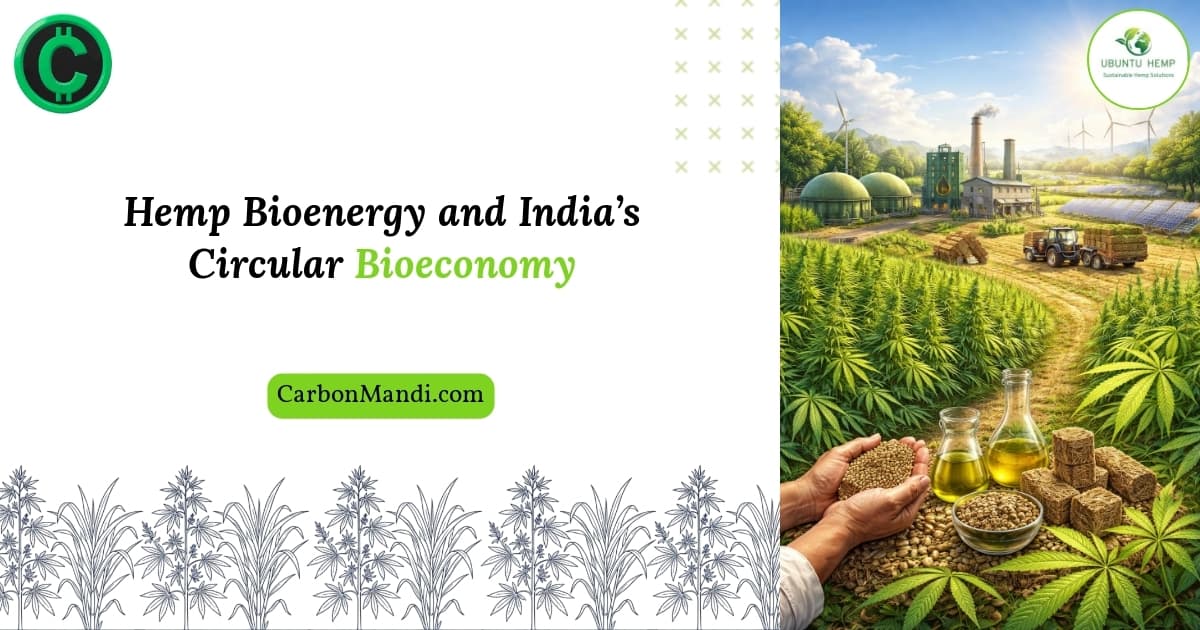
Imagine a crop that not only grows quickly but also offers a renewable source of energy while supporting environmental health. Hemp bioenergy is gaining attention in India as a promising player in the circular bioeconomy. Unlike fossil fuels, hemp can be cultivated sustainably and converted into biofuels, biogas, and biomass energy, reducing carbon footprints significantly. This approach aligns with India’s goals to boost renewable energy and reduce waste through circular economic models.
Hemp’s versatility makes it a unique candidate for bioenergy. Its stalks and fibers can be processed into biofuels, while the leftover biomass enriches soil or feeds other industries. The keyword "Hemp Bioenergy and India’s Circular Bioeconomy" fits naturally here as we explore how this synergy is shaping a greener future. Additionally, companies like Hemp Energy Solutions are pioneering the use of hemp for energy production, showcasing its potential in real-world applications.
The Ripple Effects of Hemp Bioenergy
The impact of hemp bioenergy extends beyond just energy production. It supports rural livelihoods by creating new agricultural markets and jobs. Farmers can diversify crops, improving income stability. Environmentally, hemp cultivation requires fewer pesticides and less water compared to traditional crops, making it a sustainable choice.
Moreover, hemp bioenergy contributes to waste reduction. By using all parts of the plant, from seeds to stalks, the circular bioeconomy principle of minimizing waste is upheld. This integration helps India reduce reliance on imported fuels and lowers greenhouse gas emissions, supporting national climate commitments. For instance, EcoHemp Innovations is working on projects that utilize hemp waste to create biodegradable packaging, further emphasizing the circular economy's benefits.
Steps to Integrate Hemp in Bioenergy Systems
Implementing hemp bioenergy in India’s circular bioeconomy involves several key steps:
- Cultivation Optimization: Selecting hemp varieties suited to local climates and soil conditions to maximize biomass yield. Farmers can experiment with different strains to find the most productive options for their regions.
- Processing Infrastructure: Developing facilities for converting hemp biomass into biofuels and biogas efficiently. This includes investing in technology that can handle large volumes of hemp waste.
- Policy Support: Encouraging government incentives and clear regulations to support hemp farming and bioenergy projects. Advocacy for favorable policies can help farmers transition smoothly into hemp cultivation.
- Market Development: Creating demand through awareness campaigns and partnerships with energy companies. Engaging with local businesses to promote hemp products can stimulate market interest.
Each step requires collaboration between farmers, industry players, and policymakers to ensure a smooth transition and sustainable growth.
Real-World Wins: Hemp in Action
In the northern states of India, pilot projects have demonstrated hemp’s potential in bioenergy. For example, a cooperative in Himachal Pradesh successfully converted hemp stalks into biomass pellets used for heating local schools. This initiative reduced fossil fuel use and provided farmers with an additional revenue stream.
Another case in Maharashtra involved integrating hemp bioenergy with waste management. The leftover hemp biomass was used in composting, enriching soil quality and closing the loop in the circular bioeconomy. These examples highlight practical applications that can be scaled across India, showcasing the versatility and effectiveness of hemp in real-world scenarios.
Questions on Hemp Bioenergy Answered
Is hemp cultivation legal and regulated in India?
Yes, hemp cultivation is legal under strict licensing and regulation, primarily for industrial and bioenergy purposes.
How does hemp bioenergy compare to other renewable sources?
Hemp offers faster growth cycles and dual-use benefits (fiber and energy), making it a competitive and sustainable option.
What challenges exist in scaling hemp bioenergy?
Challenges include initial investment costs, lack of processing infrastructure, and the need for farmer training. Addressing these challenges through targeted programs can facilitate growth in this sector.
Moving Forward with Circular Bioeconomy
India’s journey toward a circular bioeconomy can gain momentum by embracing hemp bioenergy. Stakeholders should focus on building infrastructure, fostering innovation, and creating supportive policies. Engaging communities through platforms like Join our WhatsApp community can accelerate knowledge sharing and collaboration. By leveraging the potential of hemp, India can lead the way in sustainable energy practices and contribute significantly to global environmental goals. Carbonmandi is building this initiative with the advisory of Ubuntuhemp.