Harnessing Hemp Biomass for Clean Hydrogen Energy
- Carbon Credits
- Hemp Biomass as a Hydrogen Fuel Source
- Sustainability
Table of Contents
- Rethinking Energy with Hemp Biomass
- Unlocking the Potential of Hemp
- From Plant to Power: The Conversion Process
- Real-World Applications and Progress
- Questions Around Hemp Biomass as Fuel
- Taking Action Towards Sustainable Energy
Rethinking Energy with Hemp Biomass
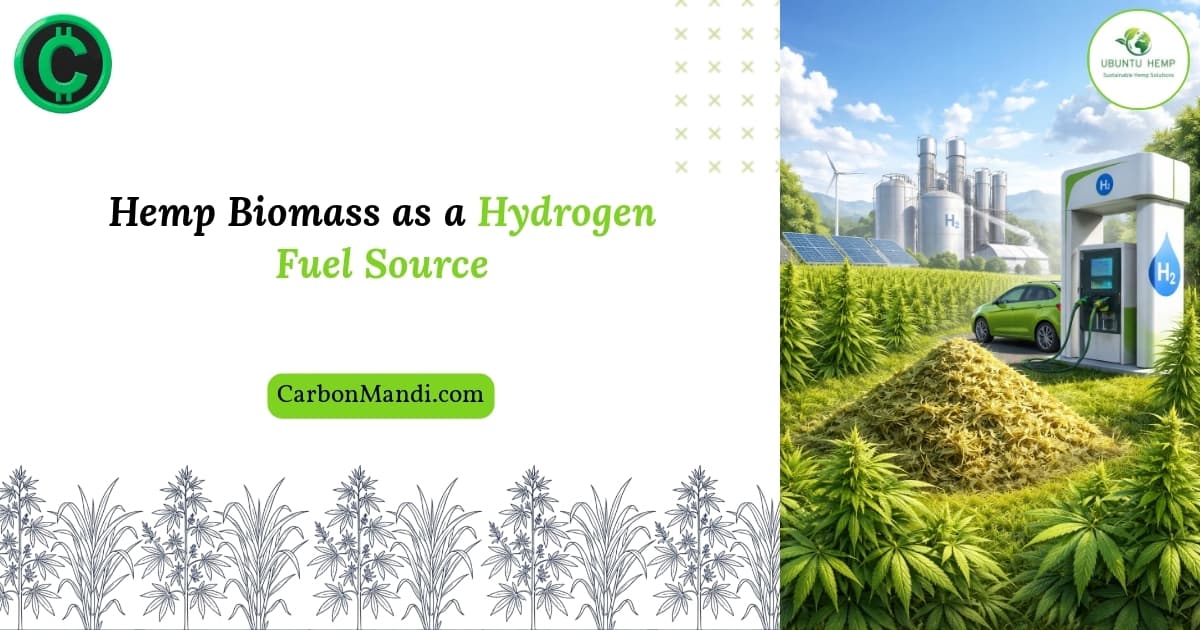
Imagine a world where the plants growing in fields could fuel our cars and power our homes without adding to pollution. Hemp biomass as a hydrogen fuel source is gaining attention because it offers a renewable, carbon-neutral alternative to fossil fuels. Unlike traditional energy crops, hemp grows quickly, requires fewer pesticides, and can thrive in diverse climates, making it a promising candidate for sustainable hydrogen production.
Hydrogen fuel is celebrated for its clean-burning properties, but sourcing it sustainably remains a challenge. Using hemp biomass to generate hydrogen could bridge that gap, providing a green fuel that supports carbon reduction goals. This approach not only taps into the plant’s abundant cellulose but also leverages agricultural waste, turning what might be discarded into valuable energy.
Unlocking the Potential of Hemp
Hemp’s versatility extends beyond textiles and food products. Its biomass contains complex carbohydrates that can be broken down to release hydrogen through processes like gasification or pyrolysis. This means hemp can serve as a feedstock for hydrogen fuel production without competing with food crops, addressing a key concern in bioenergy.
Moreover, hemp cultivation contributes positively to soil health by improving nutrient cycling and reducing erosion. This environmental benefit complements its role in energy production, making hemp biomass a dual-purpose resource. The scalability of hemp farming also means that hydrogen fuel production can be expanded without significant land-use conflicts.
From Plant to Power: The Conversion Process
Turning hemp biomass into hydrogen involves several steps. First, the harvested hemp is dried and processed to optimize its composition for conversion. Then, through thermochemical methods such as gasification, the biomass is heated in a low-oxygen environment, breaking down organic material into synthesis gas, which contains hydrogen.
This synthesis gas undergoes purification to isolate hydrogen, which can then be stored or used directly as fuel. The process efficiency depends on factors like biomass quality and reactor design. Innovations in catalyst development and process optimization are continuously improving yields, making hemp biomass a more viable hydrogen source.
Real-World Applications and Progress
Several pilot projects worldwide are exploring hemp biomass as a hydrogen fuel source. For example, a European initiative demonstrated that hemp-derived hydrogen could power fuel cells in transportation, reducing greenhouse gas emissions significantly compared to diesel engines.
In North America, research institutions are collaborating with farmers to integrate hemp cultivation with hydrogen production facilities, aiming to create local energy loops that benefit rural economies. These case studies highlight hemp’s potential to contribute to energy independence and climate goals.
Questions Around Hemp Biomass as Fuel
How sustainable is hemp biomass compared to other biofuels? Hemp’s rapid growth and low input requirements make it more sustainable than many traditional crops used for bioenergy. However, the energy balance and lifecycle emissions depend on farming practices and conversion technologies.
Is hydrogen from hemp cost-competitive? Currently, costs are higher than fossil fuel-derived hydrogen, but ongoing research and scaling production are expected to reduce expenses. Policy incentives and carbon pricing could further improve competitiveness.
What challenges remain? Infrastructure for hydrogen storage and distribution is still developing, and ensuring consistent biomass supply requires coordinated agricultural planning.
Taking Action Towards Sustainable Energy
If you’re interested in the future of clean energy, exploring hemp biomass as a hydrogen fuel source is a smart move. Joining communities focused on carbon markets and renewable energy can provide valuable insights and networking opportunities.
Join our WhatsApp community to connect with experts and enthusiasts who share updates on hemp biomass innovations and carbon market trends.
Carbonmandi building this With the advisory of Ubuntuhemp