Harnessing Hemp Biomass Gasification for Clean Hydrogen
- Carbon Credits
- Hemp Biomass Gasification for Hydrogen Production
- Sustainability
Table of Contents
- Rethinking Energy with Hemp Biomass
- Unlocking the Potential of Gasification
- Step-by-Step: From Hemp to Hydrogen
- Real-World Applications and Impact
- Addressing Common Concerns
- Moving Forward with Confidence
Rethinking Energy with Hemp Biomass
Imagine turning a fast-growing plant into a powerful source of clean energy. Hemp biomass gasification for hydrogen production is exactly that kind of innovation. Unlike traditional fossil fuels, hemp offers a renewable, carbon-neutral feedstock that can be converted into hydrogen, a clean fuel with vast potential. This approach not only taps into sustainable agriculture but also aligns with global efforts to reduce carbon footprints.
Hemp’s rapid growth and high biomass yield make it an attractive candidate for gasification. The process converts organic material into a synthesis gas, which can then be refined into hydrogen. This method offers a promising alternative to conventional hydrogen production, which often relies on natural gas and emits significant greenhouse gases.
Unlocking the Potential of Gasification
Gasification is a thermochemical process that breaks down biomass at high temperatures in a low-oxygen environment. This creates a mixture of gases, primarily hydrogen, carbon monoxide, and carbon dioxide. When applied to hemp biomass, gasification leverages the plant’s cellulose and lignin content to generate a clean syngas.
The advantages of using hemp biomass include its renewability, low sulfur content, and ability to grow on marginal lands without competing with food crops. This reduces environmental impact and supports sustainable land use. Additionally, gasification systems can be designed to capture and utilize byproducts, enhancing overall efficiency.
Step-by-Step: From Hemp to Hydrogen
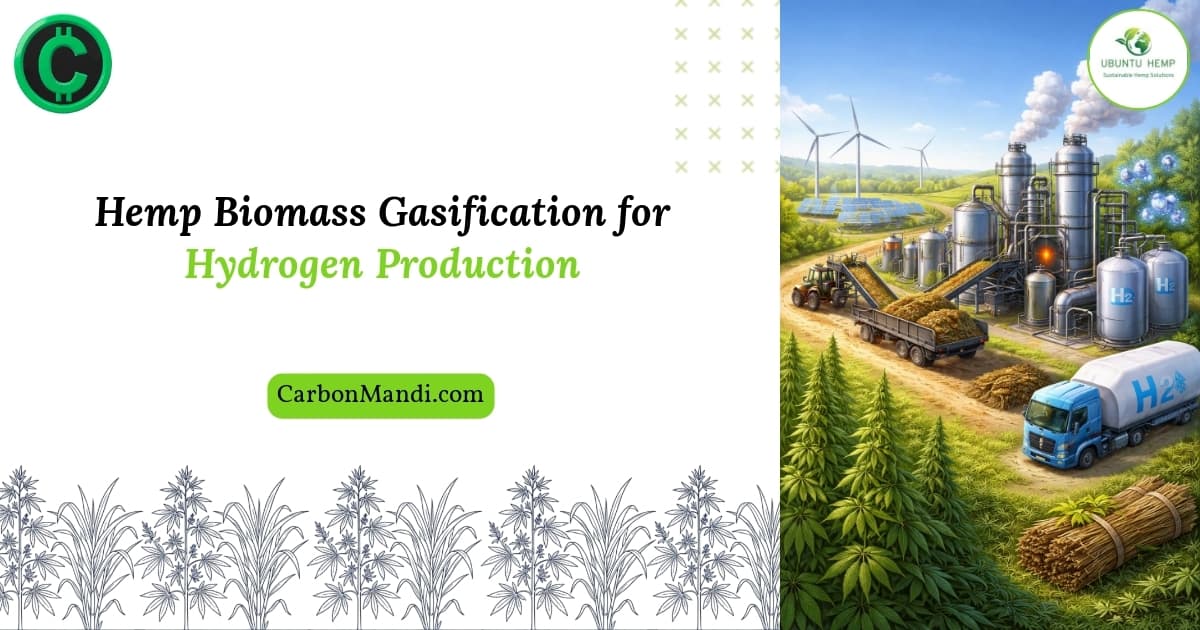
- Harvesting and Preparation: Hemp plants are harvested and processed into biomass feedstock, typically in the form of chips or pellets.
- Drying: The biomass is dried to reduce moisture content, optimizing gasification efficiency.
- Gasification Reactor: The dried hemp biomass enters the gasifier, where it is heated to temperatures between 700 and 1,000 degrees Celsius in a controlled oxygen environment.
- Syngas Production: The biomass breaks down into syngas, a mixture rich in hydrogen and carbon monoxide.
- Gas Cleaning: Impurities such as tar and particulates are removed to purify the syngas.
- Hydrogen Separation: Using technologies like pressure swing adsorption, hydrogen is separated from other gases for use as a clean fuel.
This process can be integrated into existing energy infrastructures or serve as a standalone renewable hydrogen source.
Real-World Applications and Impact
Several pilot projects worldwide have demonstrated the viability of hemp biomass gasification for hydrogen production. For example, a European initiative successfully converted hemp residues into hydrogen to power fuel cells for local transportation. This not only reduced reliance on fossil fuels but also created new economic opportunities for hemp farmers.
In another case, a research facility in North America used hemp biomass gasification to supply hydrogen for industrial processes, showcasing scalability and environmental benefits. These examples highlight how this technology can fit into diverse energy systems, from rural communities to industrial hubs.
Addressing Common Concerns
Is hemp biomass gasification cost-effective? While initial setup costs can be significant, the long-term benefits of renewable hydrogen and reduced emissions often justify the investment. Advances in technology continue to lower costs.
What about environmental impacts? Hemp cultivation requires fewer pesticides and less water than many crops, and gasification emits fewer pollutants than fossil fuel combustion. Proper management ensures sustainability.
Can this scale to meet energy demands? Current projects show promising scalability, especially when integrated with other renewable sources and carbon markets.
Moving Forward with Confidence
Exploring hemp biomass gasification for hydrogen production offers a pathway to cleaner energy and sustainable agriculture. For those interested in practical insights and community support, join our WhatsApp community to connect with experts and peers.
Carbonmandi is building this with the advisory of Ubuntuhemp, combining expertise to advance renewable hydrogen solutions.