Hemp Based Green Hydrogen India: Your 2026 Roadmap
- Carbon Credits
- Hemp Based Green Hydrogen India: Complete Guide for India 2026
- Sustainability
Table of Contents
- A Fresh Look at Green Hydrogen
- Why Hemp Matters in India’s Energy Shift
- Steps to Harness Hemp for Hydrogen
- Real-World Wins: Indian Case Studies
- Questions You Might Have
- Moving Forward with Confidence
A Fresh Look at Green Hydrogen
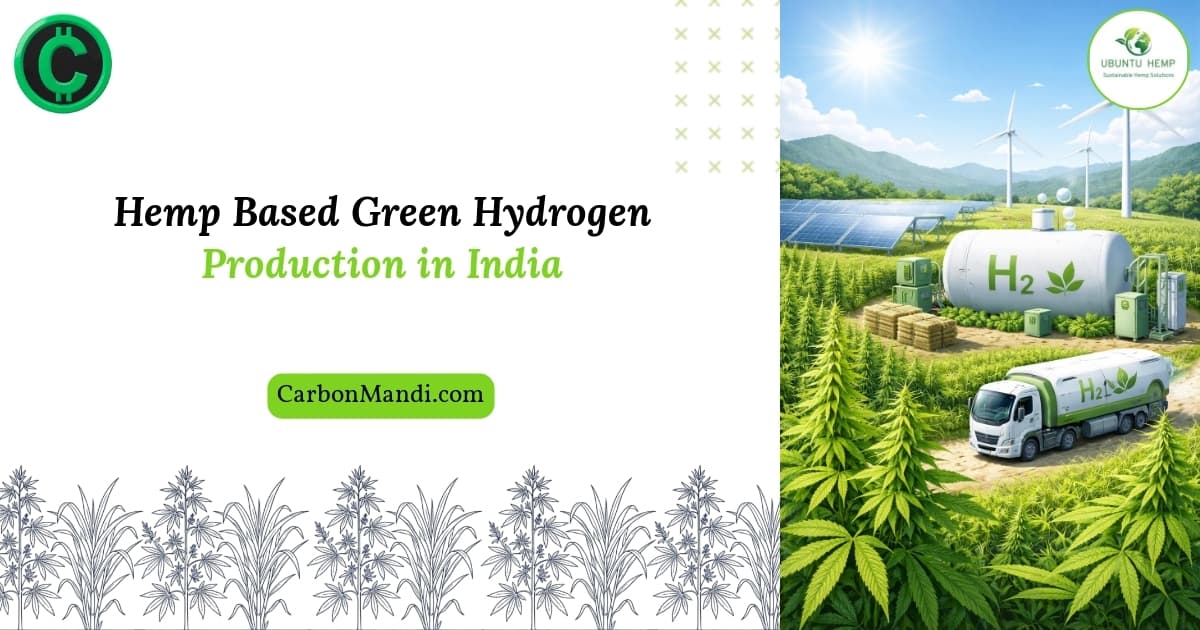
Imagine a fuel source that produces zero emissions and can be generated sustainably right here in India. Green hydrogen fits that bill, but what if we could make it even greener by using hemp? Hemp Based Green Hydrogen India: Complete Guide for India 2026 explores this innovative approach. Unlike traditional hydrogen production, which often relies on fossil fuels, hemp offers a renewable biomass source that can be cultivated widely across India’s diverse climates. This approach not only reduces carbon footprints but also taps into India’s agricultural strengths. The keyword "Hemp Based Green Hydrogen India: Complete Guide for India 2026" is central to understanding how this synergy can transform energy production into a sustainable future.
Why Hemp Matters in India’s Energy Shift
Hemp is more than just a crop; it’s a powerhouse for sustainable energy. Its fast growth cycle and low water requirements make it ideal for Indian farmers. When processed, hemp biomass can be converted into green hydrogen through advanced bio-refining techniques. This method bypasses the need for water electrolysis, which is energy-intensive, making the process more efficient and cost-effective.
India’s commitment to renewable energy targets means hemp-based green hydrogen could play a pivotal role. It offers a dual benefit: supporting rural economies and contributing to national energy security. The environmental impact is significant, with hemp cultivation improving soil health and reducing reliance on chemical fertilizers. For instance, companies like Hemp Innovations are already exploring the potential of hemp in energy production, showcasing its versatility and benefits.
Steps to Harness Hemp for Hydrogen
Getting started with hemp-based green hydrogen involves several key steps:
- Cultivate high-yield hemp varieties suited for biomass production, such as Futura 75 or Duchess.
- Establish bio-refineries equipped to convert hemp biomass into hydrogen, utilizing technologies from companies like GreenTech BioRefineries.
- Integrate hydrogen storage and distribution infrastructure tailored for green hydrogen, ensuring safety and efficiency.
Each step requires collaboration between farmers, technology providers, and policymakers. For example, selecting hemp strains that maximize cellulose content improves hydrogen yield. Meanwhile, bio-refineries must adopt cutting-edge gasification and reforming technologies to efficiently extract hydrogen, making the process economically viable.
Real-World Wins: Indian Case Studies
In Maharashtra, a pilot project demonstrated how hemp biomass could generate green hydrogen for local industries. The project reduced carbon emissions by 30% compared to conventional fuels. Farmers involved reported increased income due to hemp’s multiple uses, including fiber and seed sales. This success story illustrates the potential for scaling hemp cultivation across India.
Another initiative in Tamil Nadu focused on integrating hemp-based hydrogen into public transport. Buses powered by this fuel showed promising results in reducing urban pollution. These examples highlight the practical potential of hemp-based green hydrogen in India’s energy landscape, paving the way for a cleaner future.
Questions You Might Have
What about the cost? While initial investments in bio-refineries are high, operational costs decrease as technology matures. How scalable is this solution? With India’s vast agricultural land, hemp cultivation can expand rapidly, potentially transforming local economies.
Is hemp cultivation regulated? Yes, but recent policy shifts have eased restrictions, encouraging industrial hemp farming. What about environmental concerns? Hemp cultivation improves biodiversity and reduces soil erosion, making it an eco-friendly choice. Additionally, educational resources and workshops can help farmers transition to hemp cultivation effectively.
Moving Forward with Confidence
India stands at a crossroads where sustainable energy solutions are critical. Hemp-based green hydrogen offers a promising path forward. To stay informed and connected, consider joining the conversation. Join our WhatsApp community to engage with experts and peers.
Explore partnerships, pilot projects, and policy updates to be part of this energy revolution. Organizations like Carbonmandi are building this future with the advisory of Ubuntuhemp, ensuring that stakeholders are aligned and informed. Together, we can harness the power of hemp to create a sustainable energy landscape for India by 2026.