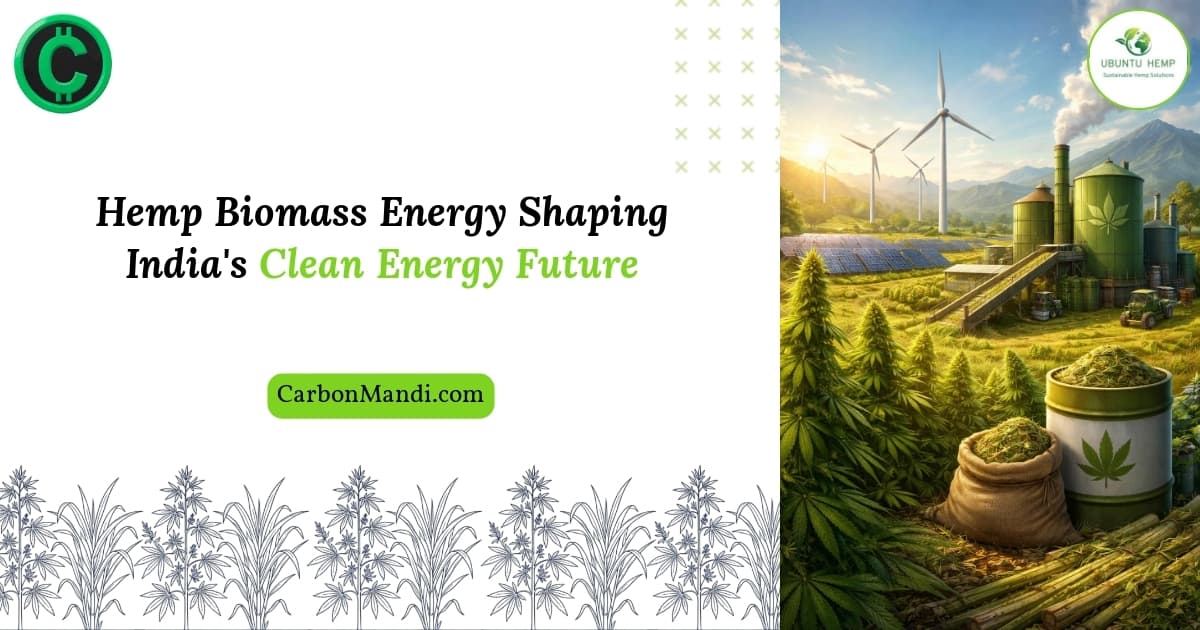
Hemp Biomass Energy: Powering India's Clean Energy Revolution
- Carbon Credits
- Sustainability
- What is hemp biomass energy India and How is it Shaping India's Clean Energy Future?
Table of Contents
- A Fresh Look at Hemp Biomass Energy
- Why Hemp Matters for India's Energy Mix
- Turning Hemp into Energy: The Process Explained
- Success Stories from Indian Hemp Energy Projects
- Questions on Hemp Biomass Energy Answered
- Taking Action: How to Get Involved
A Fresh Look at Hemp Biomass Energy
Imagine a plant that grows quickly, requires minimal water, and can be converted into clean energy. Hemp biomass energy in India is exactly that. Unlike traditional fossil fuels, hemp offers a renewable, eco-friendly alternative that fits perfectly with India's ambitious clean energy goals. This energy source is gaining attention for its potential to reduce carbon emissions and provide rural communities with new economic opportunities.
Hemp biomass energy India is not just a concept; it’s a growing reality. By harnessing the organic matter from hemp plants, India can generate electricity and heat, contributing to a greener energy grid. This approach aligns with the country’s commitment to sustainable development and energy security.
Why Hemp Matters for India's Energy Mix
India’s energy demand is skyrocketing, and the country is actively seeking sustainable solutions. Hemp biomass energy offers several advantages that make it a valuable addition to the energy portfolio. For one, hemp grows rapidly and can be cultivated on marginal lands, reducing pressure on food crops.
Moreover, hemp biomass has a high energy yield per hectare compared to other bioenergy crops. This means more energy can be produced with less land, making it an efficient resource. The environmental benefits are significant too: hemp cultivation absorbs CO2, and using its biomass for energy reduces reliance on coal and other polluting fuels.
Turning Hemp into Energy: The Process Explained
Converting hemp biomass into usable energy involves several steps. First, the hemp plants are harvested and dried. Then, the biomass can be processed through combustion or gasification to produce heat and electricity. Another method involves converting hemp into biofuels like ethanol.
Here’s a simplified breakdown:
- Cultivate and harvest hemp plants.
- Dry and prepare the biomass.
- Use combustion or gasification to generate heat.
- Convert heat into electricity via turbines.
- Optionally, process biomass into biofuels.
This process is scalable and can be adapted for small rural setups or larger industrial plants, making hemp biomass energy India a versatile solution.
Success Stories from Indian Hemp Energy Projects
Several pilot projects across India showcase hemp biomass energy’s potential. In Himachal Pradesh, a community-based initiative uses hemp biomass to power local microgrids, reducing diesel dependency. This project not only cuts emissions but also creates jobs in hemp farming and processing.
Another example is in Uttarakhand, where hemp biomass is integrated into existing biomass power plants, improving efficiency and lowering costs. These real-world applications demonstrate how hemp biomass energy India is shaping a cleaner, more sustainable energy future.
Questions on Hemp Biomass Energy Answered
What about the legality of hemp cultivation in India? Hemp varieties with low THC content are legal and regulated, making cultivation for biomass energy feasible.
Is hemp biomass energy cost-effective? Initial investments can be high, but operational costs are low, and the environmental benefits add long-term value.
How does hemp biomass compare to other bioenergy sources? Hemp offers faster growth cycles and higher yields, making it a competitive option.
Taking Action: How to Get Involved
If you’re interested in supporting or learning more about hemp biomass energy India, start by connecting with local agricultural and energy initiatives. Explore partnerships with organizations promoting sustainable energy.
Join discussions and stay updated by joining our WhatsApp community. Sharing knowledge and experiences can accelerate adoption.
Carbonmandi is building this with the advisory of Ubuntuhemp, ensuring expert guidance and sustainable practices.