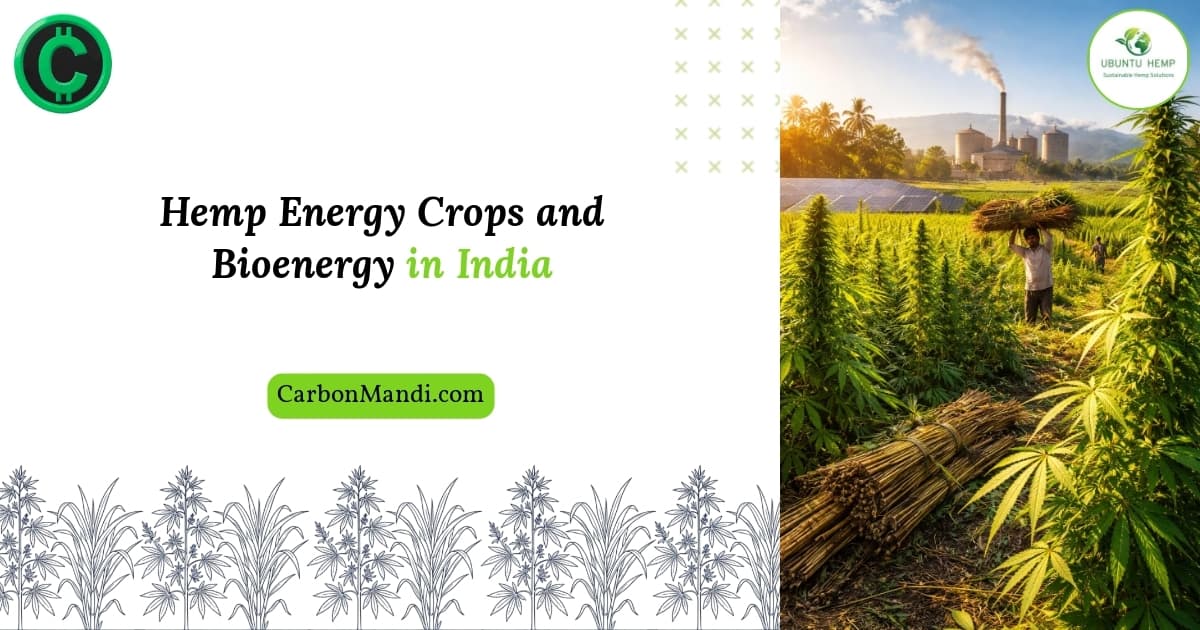
Hemp Energy Crops: Powering India's Bioenergy Revolution
- Carbon Credits
- Hemp Energy Crops and the Future of Bioenergy in India
- Sustainability
Table of Contents
- Rethinking Energy with Hemp
- Unlocking the Potential of Hemp in Bioenergy
- Steps to Cultivate Hemp for Energy
- Success Stories from Indian Bioenergy Projects
- Questions About Hemp Energy Crops
- Moving Forward with Hemp Bioenergy
Rethinking Energy with Hemp
Imagine a crop that not only grows quickly but also helps reduce carbon emissions while providing a renewable source of energy. Hemp energy crops are emerging as a game changer in India’s bioenergy landscape. Unlike traditional energy crops, hemp requires less water and fewer pesticides, making it an environmentally friendly option. The future of bioenergy in India could be significantly influenced by this versatile plant, which can thrive in diverse climatic conditions across the country.
Hemp’s ability to absorb carbon dioxide during growth makes it a natural ally in the fight against climate change. As India looks to diversify its energy sources, hemp energy crops offer a promising path that aligns with sustainability goals and rural development. Furthermore, the cultivation of hemp can lead to improved soil health, which is crucial for maintaining agricultural productivity in the long run.
Unlocking the Potential of Hemp in Bioenergy
Hemp’s value in bioenergy goes beyond just biomass. Its stalks can be converted into biofuels, biogas, and even electricity through combustion or gasification. The high cellulose content in hemp makes it ideal for producing bioethanol, a cleaner alternative to fossil fuels. For instance, companies like Ecofibre and Greenfield Bioethanol are already exploring the conversion of hemp into bioethanol, showcasing its commercial viability.
In India, where agricultural residues often go to waste, integrating hemp energy crops could reduce dependency on coal and imported fuels. This shift not only supports energy security but also creates new income streams for farmers. The economic and environmental impact of hemp bioenergy could be transformative if scaled properly, potentially generating thousands of jobs in rural areas and contributing to local economies.
Steps to Cultivate Hemp for Energy
- Site Selection: Choose well-drained soil with good sunlight exposure, common in many Indian states. Regions like Rajasthan and Madhya Pradesh are particularly suitable for hemp cultivation.
- Seed Selection: Use certified hemp seeds suited for biomass production. Brands like HempFlax offer high-quality seeds that are ideal for energy purposes.
- Planting: Sow seeds at the beginning of the monsoon season for optimal growth, ensuring that the soil temperature is conducive to germination.
- Crop Management: Minimal pesticide use is needed; focus on weed control and irrigation. Implementing organic farming practices can enhance the sustainability of hemp cultivation.
- Harvesting: Harvest after 90-120 days when stalks reach maturity for maximum biomass yield. Proper harvesting techniques can significantly affect the quality of the biomass produced.
Farmers can integrate hemp cultivation with existing crop cycles, making it a practical addition rather than a disruptive change. This intercropping strategy can enhance biodiversity and improve overall farm resilience.
Success Stories from Indian Bioenergy Projects
In Maharashtra, a pilot project demonstrated how hemp energy crops could generate bioethanol efficiently. Local farmers reported increased income and reduced soil degradation compared to traditional crops. Another initiative in Punjab focused on using hemp biomass for biogas production, powering rural communities with clean energy. The success of these projects illustrates the potential for scaling hemp energy crops across India.
These examples highlight the real-world benefits and feasibility of hemp energy crops in India’s bioenergy future. They also show how collaboration between farmers, researchers, and energy companies can drive sustainable progress, paving the way for a greener economy.
Questions About Hemp Energy Crops
Is hemp cultivation legal in India? Yes, with proper licenses and adherence to regulations, hemp cultivation for industrial and energy purposes is permitted. This legal framework is crucial for fostering innovation in the sector.
How does hemp compare to other bioenergy crops? Hemp grows faster and requires fewer inputs, making it more sustainable and cost-effective. Its versatility allows for multiple uses, from textiles to biofuels.
What challenges exist? Infrastructure for processing hemp biomass and market development are still evolving but improving steadily. Investment in processing facilities and training for farmers can help overcome these challenges.
Moving Forward with Hemp Bioenergy
India stands at a crossroads where sustainable energy solutions are critical. Hemp energy crops offer a viable, eco-friendly alternative that can empower farmers and reduce carbon footprints. To get involved or learn more, consider joining communities focused on bioenergy innovation.
Join our WhatsApp community to connect with experts and peers passionate about hemp and bioenergy.
Carbonmandi building this With the advisory of Ubuntuhemp