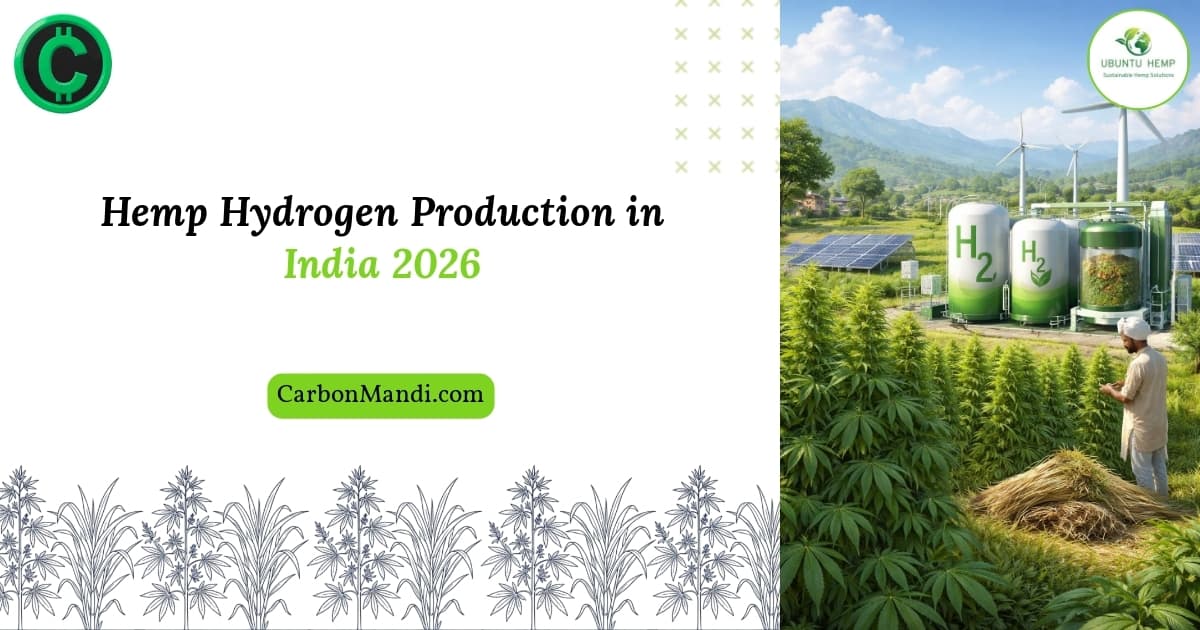
Hemp Hydrogen Production India: Your 2026 Roadmap
- Carbon Credits
- Hemp Hydrogen Production India: Complete Guide for India 2026
- Sustainability
Table of Contents
- Rethinking Energy with Hemp
- Unlocking India's Hydrogen Potential
- Steps to Harness Hemp for Hydrogen
- Success Stories from Indian Innovators
- Questions on Hemp Hydrogen Answered
- Taking Action in 2026
Rethinking Energy with Hemp
Imagine a fuel source that grows quickly, absorbs carbon, and can power the future of clean energy. Hemp hydrogen production in India is emerging as a game-changer for 2026. Unlike traditional fossil fuels, hemp offers a renewable feedstock for producing hydrogen, a clean fuel with water as its only emission. This innovative approach not only taps into India's agricultural strengths but also aligns with global climate goals, making it a crucial component of sustainable development.
India's vast hemp cultivation potential combined with advances in hydrogen technology creates a unique opportunity. The keyword "Hemp Hydrogen Production India: Complete Guide for India 2026" reflects this exciting intersection of agriculture and energy innovation. With the right policies and investments, India can lead the way in this green revolution.
Unlocking India's Hydrogen Potential
Hydrogen is gaining traction worldwide as a clean energy carrier, but producing it sustainably remains a challenge. India’s energy landscape is shifting, and hemp-based hydrogen production offers a promising path. Hemp plants grow rapidly and require fewer resources compared to other bioenergy crops, making them ideal for sustainable hydrogen feedstock.
This method reduces reliance on water-intensive processes and fossil fuels. It also supports rural economies by creating new agricultural markets. The environmental impact is significant: hemp cultivation captures CO2, and when converted to hydrogen, it produces zero carbon emissions at the point of use. For instance, companies like HempFuel India are already exploring ways to integrate hemp into hydrogen production, showcasing the potential of this green energy source.
Steps to Harness Hemp for Hydrogen
If you're considering hemp hydrogen production in India, here’s a straightforward approach:
- Cultivate High-Quality Hemp: Select hemp varieties suited to local climates and soil. Research local strains that have shown resilience and high biomass yield.
- Biomass Processing: Convert hemp stalks and fibers into biochar or syngas through pyrolysis or gasification. Utilizing technologies from GreenTech Innovations can enhance efficiency in this step.
- Hydrogen Extraction: Use advanced reforming technologies to extract hydrogen from the processed biomass. Collaborate with tech firms specializing in hydrogen extraction to optimize this process.
- Storage and Distribution: Develop infrastructure for hydrogen storage and delivery to end-users. Consider partnerships with logistics companies to streamline this phase.
Each step requires collaboration between farmers, technologists, and policymakers. The process is scalable, from small pilot projects to industrial-scale plants, ensuring that all stakeholders can benefit.
Success Stories from Indian Innovators
In Maharashtra, a pilot project integrated hemp farming with hydrogen production, reducing carbon emissions by 30% in the local energy mix. Farmers reported increased income from hemp sales, while the hydrogen produced powered nearby industries, demonstrating a successful model of sustainable energy.
Another example comes from Karnataka, where a startup developed a cost-effective gasification unit tailored for hemp biomass. This innovation lowered production costs and demonstrated the feasibility of decentralized hydrogen generation. These success stories highlight how hemp hydrogen production is not just theoretical but actively transforming India's energy and agricultural sectors, paving the way for a greener future.
Questions on Hemp Hydrogen Answered
Is hemp hydrogen production economically viable in India?
Yes, especially with government incentives and growing demand for clean energy. Initial investments are offset by long-term savings and environmental benefits, making it an attractive option for investors.
What about regulatory challenges?
India is updating policies to support hemp cultivation and hydrogen technologies, but navigating permits requires expert guidance. Engaging with organizations like Hemp Federation of India can provide valuable insights.
Can small farmers participate?
Absolutely. Community-based models and cooperatives can help smallholders benefit from hemp hydrogen value chains, ensuring equitable growth in rural areas.
Taking Action in 2026
The future of hemp hydrogen production in India depends on informed action. Start by connecting with experts and joining knowledge-sharing platforms. Join our WhatsApp community to stay updated and collaborate with like-minded individuals.
Explore pilot projects, seek partnerships, and advocate for supportive policies. The transition to clean energy is a collective effort, and hemp hydrogen is a promising piece of the puzzle. By taking proactive steps now, we can ensure that India harnesses its full potential in the hydrogen economy by 2026. Carbonmandi is building this initiative with the advisory of Ubuntuhemp, showcasing the collaborative spirit needed for success.