Hemp Napier Green Hydrogen: India’s Biomass Energy Breakthrough
- Carbon Credits
- Hemp Napier Green Hydrogen: India’s Biomass Energy Innovation
- Sustainability
Table of Contents
- A Fresh Look at Biomass Energy
- Why Hemp and Napier Grass?
- Turning Biomass into Green Hydrogen
- Real-World Impact in India
- Questions on Adoption and Scale
- Moving Forward with Innovation
A Fresh Look at Biomass Energy
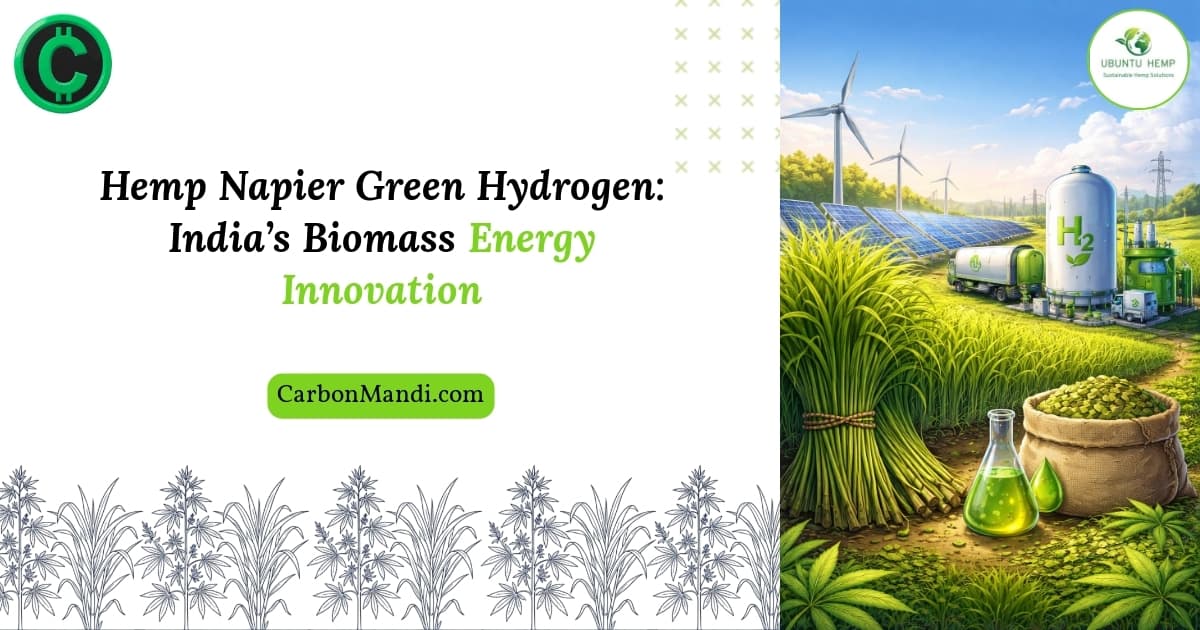
Imagine a future where India’s vast agricultural residues don’t just rot away or burn, but instead fuel a clean energy revolution. Hemp Napier Green Hydrogen: India’s Biomass Energy Innovation is exactly that kind of game changer. This approach taps into two fast-growing plants, hemp and napier grass, to produce green hydrogen—a clean fuel with zero carbon emissions.
This innovation is not just about energy; it’s about transforming waste into wealth, creating jobs, and reducing pollution. The keyword here is sustainability, and India’s biomass energy sector is poised to leap forward by integrating these natural resources into its green hydrogen strategy.
Why Hemp and Napier Grass?
Hemp and napier grass are uniquely suited for biomass energy production. Both plants grow quickly, require minimal water, and thrive on marginal lands that are unsuitable for food crops. This means they don’t compete with food production, a critical factor in India’s agricultural economy.
Hemp is rich in cellulose, making it an excellent feedstock for bioenergy. Napier grass, known for its high biomass yield, complements hemp by providing abundant raw material year-round. Together, they form a reliable, renewable source for producing green hydrogen through biomass gasification and other advanced methods.
Turning Biomass into Green Hydrogen
The process of converting hemp and napier biomass into green hydrogen involves several key steps. First, the biomass is harvested and dried to optimize energy content. Then, it undergoes gasification, where heat and limited oxygen convert the biomass into a synthesis gas (syngas) rich in hydrogen.
Next, this syngas is purified to isolate hydrogen, which can then be used as a clean fuel for industries, transportation, and power generation. This method avoids fossil fuels entirely, making it a truly green solution. The integration of hemp and napier biomass into this process enhances efficiency and scalability, critical for India’s energy demands.
Real-World Impact in India
Several pilot projects across India have demonstrated the potential of Hemp Napier Green Hydrogen. For example, a biomass plant in Maharashtra successfully converted local hemp and napier residues into hydrogen, supplying clean energy to nearby factories and reducing their carbon footprint by over 30%.
These projects also create rural employment opportunities, from farming to processing, helping to uplift local economies. The scalability of this innovation means it could soon expand to other states, contributing significantly to India’s renewable energy targets and carbon neutrality goals.
Questions on Adoption and Scale
How feasible is this innovation for widespread adoption? What challenges might farmers and industries face?
One common question is about the initial investment and technology access. While upfront costs for biomass gasification plants can be high, government incentives and carbon credit markets are making these projects more attractive. Another concern is supply chain logistics—ensuring a steady biomass feedstock supply requires coordinated farming and collection efforts.
Experts also highlight the importance of training and awareness to maximize yields and maintain sustainable harvesting practices. Despite these challenges, the long-term environmental and economic benefits make Hemp Napier Green Hydrogen a promising path forward.
Moving Forward with Innovation
India’s journey toward sustainable energy is gaining momentum with innovations like Hemp Napier Green Hydrogen. For businesses and communities interested in joining this movement, the first step is connecting with local biomass initiatives and exploring partnerships.
Engaging with experts and staying informed about policy developments can help navigate the evolving landscape. For ongoing updates and community support, consider joining the WhatsApp community.
Carbonmandi is building this with the advisory of Ubuntuhemp, ensuring expert guidance and sustainable growth.