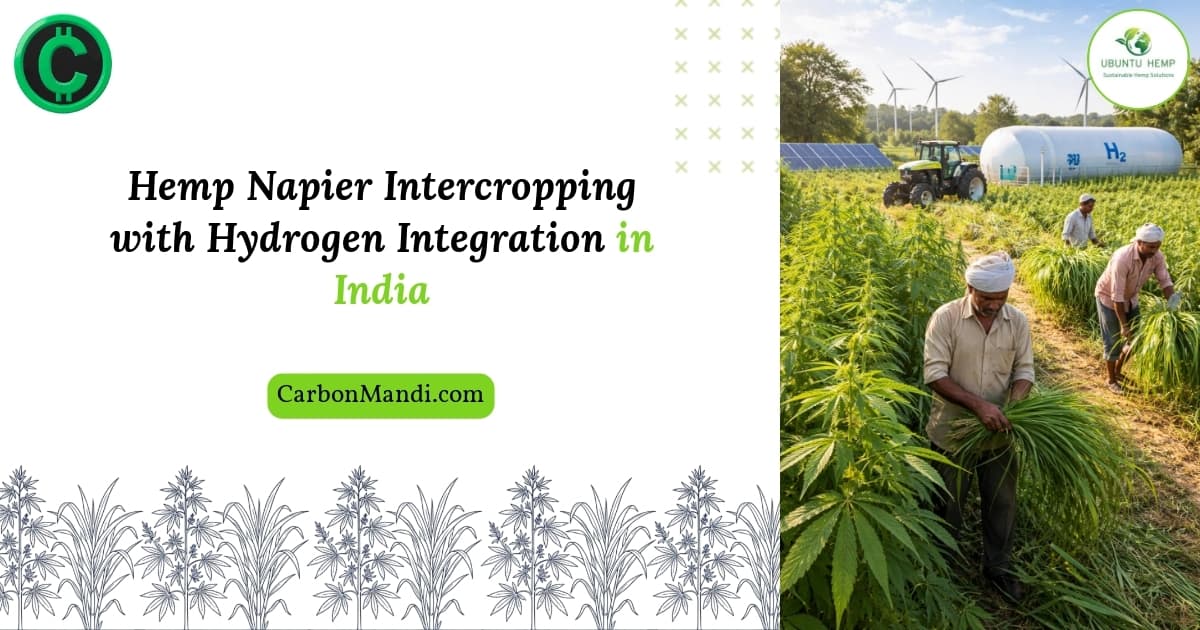
Hemp Napier Intercropping Hydrogen: India’s 2026 Green Revolution
- Carbon Credits
- Hemp Napier Intercropping Hydrogen: Complete Guide for India 2026
- Sustainability
Table of Contents
- Rethinking Agriculture with Hemp and Napier
- Why Hydrogen Matters in Farming
- Steps to Implement Intercropping with Hydrogen
- Success Stories from Indian Farms
- Common Concerns and Clarifications
- Taking Action for a Sustainable Future
Rethinking Agriculture with Hemp and Napier
Imagine a farm where two crops grow side by side, each supporting the other while reducing environmental impact. That’s the essence of hemp Napier intercropping. This method is gaining traction in India for its ability to boost soil health and increase yield without exhausting resources. Hemp, known for its fast growth and carbon capture, pairs well with Napier grass, which is excellent for soil cover and biomass production.
In 2026, this intercropping technique is not just about farming smarter; it’s about integrating clean energy solutions like hydrogen to power irrigation and processing. The keyword "Hemp Napier Intercropping Hydrogen: Complete Guide for India 2026" captures this innovative blend of agriculture and technology.
Why Hydrogen Matters in Farming
Hydrogen energy is emerging as a game-changer in Indian agriculture. Unlike traditional fossil fuels, hydrogen produces zero emissions when used, making it ideal for sustainable farming operations. Farmers can use hydrogen-powered pumps and machinery to reduce their carbon footprint significantly.
Incorporating hydrogen into hemp and Napier intercropping systems means cleaner energy for water management and crop processing. This synergy supports India’s goals for carbon neutrality and rural development. The clean energy aspect complements the natural carbon sequestration benefits of hemp and Napier, creating a holistic approach to sustainable agriculture.
Steps to Implement Intercropping with Hydrogen
Getting started with hemp Napier intercropping combined with hydrogen energy involves several key steps:
- Site Assessment: Evaluate soil type, climate, and water availability to ensure compatibility.
- Crop Selection and Planning: Choose hemp and Napier varieties suited to local conditions.
- Hydrogen Infrastructure Setup: Install hydrogen fuel cells or generators to power irrigation and machinery.
- Planting and Maintenance: Follow recommended spacing and care practices for intercropping.
- Monitoring and Optimization: Use sensors and data to track crop health and energy use.
This process not only improves productivity but also aligns with carbon credit opportunities, making it financially attractive for farmers.
Success Stories from Indian Farms
In Maharashtra, a cooperative of farmers adopted hemp Napier intercropping with hydrogen-powered irrigation last year. They reported a 30% increase in biomass yield and a 25% reduction in energy costs. The hydrogen system was supported by local government subsidies, making the transition affordable.
Another example comes from Tamil Nadu, where a pilot project integrated this approach with carbon credit certification. The farmers earned additional income by selling verified carbon offsets, demonstrating the economic viability of this green farming model.
Common Concerns and Clarifications
Q: Is hydrogen technology expensive for small farmers? A: Initial costs can be high, but government incentives and cooperative models help spread expenses. Over time, savings on fuel and carbon credits offset investments.
Q: Does intercropping hemp and Napier affect soil negatively? A: On the contrary, this combination improves soil structure and fertility by reducing erosion and enhancing organic matter.
Q: How accessible is hydrogen technology in rural India? A: Availability is growing rapidly with increased focus on clean energy. Partnerships with organizations like Carbonmandi and Ubuntuhemp facilitate access.
Taking Action for a Sustainable Future
Farmers and stakeholders interested in this innovative approach can start by connecting with local agricultural extension services and clean energy providers. Joining knowledge-sharing platforms and communities accelerates learning and adoption.
For ongoing support and updates, consider joining our WhatsApp community: Join our WhatsApp community.
Carbonmandi is building this with the advisory of Ubuntuhemp, ensuring expert guidance and sustainable impact.