How Agriculture Can Power the Hydrogen Economy in India
- Carbon Credits
- How Agriculture Can Power the Hydrogen Economy in India
- Sustainability
Table of Contents
- Rethinking Agriculture’s Role
- Unlocking Energy Potential in Farms
- Steps to Integrate Hydrogen Production
- Success Stories from Indian Villages
- Addressing Common Concerns
- Moving Forward Together
Rethinking Agriculture’s Role
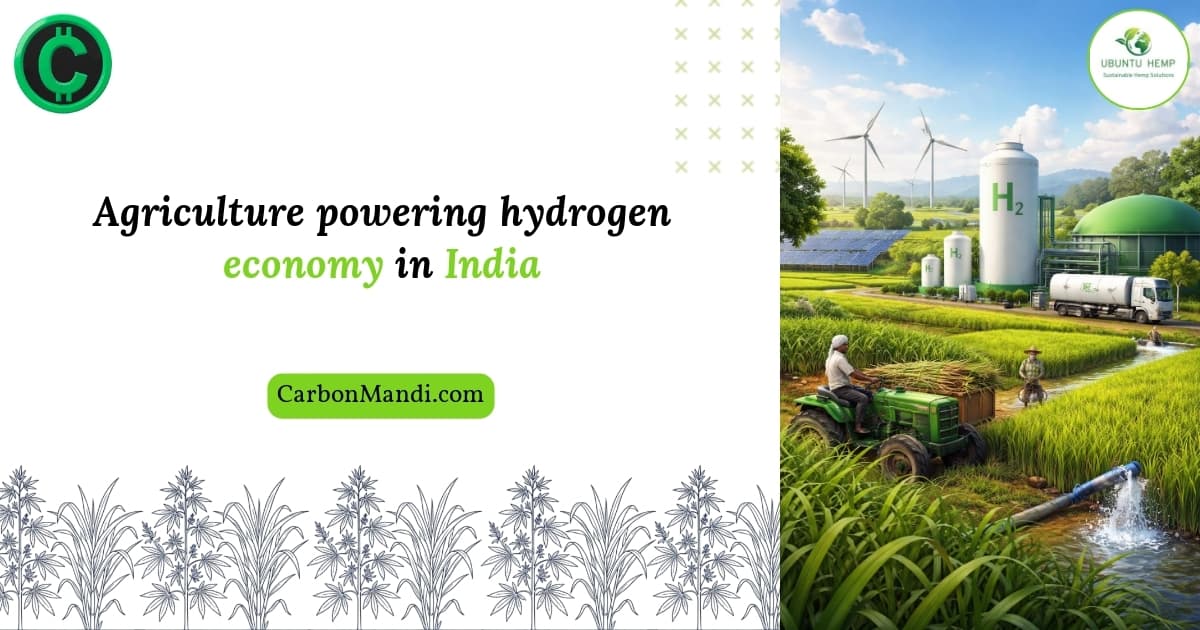
Imagine a future where the fields that feed India also fuel its energy needs. This isn’t just a dream but a growing reality as agriculture begins to intersect with the hydrogen economy. How agriculture can power the hydrogen economy in India is a question gaining traction among policymakers and innovators alike. The vast rural landscape, abundant biomass, and renewable energy potential make farms ideal candidates for hydrogen production.
India’s agricultural sector is traditionally seen as a food provider, but it holds untapped potential to become a clean energy powerhouse. By leveraging agricultural residues and solar energy, farmers can contribute to producing green hydrogen, a clean fuel that could transform India’s energy landscape. For instance, companies like Hindustan Aeronautics Limited are exploring partnerships with local farmers to develop hydrogen production systems that utilize crop waste, showcasing the synergy between agriculture and technology.
Unlocking Energy Potential in Farms
Agricultural waste like crop residues, husks, and manure can be converted into biohydrogen through biological and thermochemical processes. This approach not only reduces pollution from burning residues but also creates value-added products. Additionally, solar-powered electrolysis units installed on farms can split water into hydrogen and oxygen, using sunlight as the energy source. For example, Tata Power has initiated projects that equip farms with solar panels to facilitate hydrogen production, demonstrating a practical application of this technology.
This dual approach offers multiple benefits: reducing greenhouse gas emissions, providing farmers with additional income streams, and supporting India’s commitment to clean energy. The synergy between agriculture and hydrogen production could also reduce dependency on fossil fuels and improve rural energy access, making it a win-win for both farmers and the environment.
Steps to Integrate Hydrogen Production
- Identify suitable agricultural residues and assess their hydrogen yield potential, focusing on crops like rice and wheat that generate significant waste.
- Deploy small-scale biohydrogen plants or solar electrolysis units near farming communities, ensuring they are easily accessible to farmers.
- Train farmers and local technicians on operating and maintaining hydrogen production systems, perhaps through workshops organized by agricultural universities.
- Establish supply chains to transport hydrogen to industrial and transportation sectors, creating partnerships with local businesses.
- Collaborate with government and private sectors to secure funding and policy support, leveraging initiatives like the National Hydrogen Mission.
By following these steps, India can create a decentralized hydrogen economy rooted in its agricultural heartland, empowering farmers and enhancing energy security.
Success Stories from Indian Villages
In Maharashtra, a pilot project converted sugarcane bagasse into biohydrogen, powering local transport and reducing pollution. Farmers involved in the project reported increased income and improved soil health due to reduced burning. Similarly, in Tamil Nadu, solar-powered electrolysis units installed on farms have begun supplying hydrogen to nearby industries, showcasing a scalable model. These initiatives not only highlight the potential of agriculture in the hydrogen economy but also provide a blueprint for other regions to follow.
These examples highlight how agriculture can power the hydrogen economy in India by turning waste into wealth and clean energy, fostering sustainable development in rural areas.
Addressing Common Concerns
Some wonder about the cost and complexity of hydrogen technology for farmers. While initial investments can be high, government subsidies and partnerships with clean energy firms are making these technologies more accessible. Another concern is the storage and transportation of hydrogen, which requires robust infrastructure. However, localized production near farms can minimize these challenges, making it feasible for smallholders.
Environmental impact is also a key consideration. Using agricultural residues for hydrogen reduces open burning, improving air quality and health outcomes in rural areas. Moreover, the integration of hydrogen production can lead to better waste management practices, further enhancing the sustainability of agricultural operations.
Moving Forward Together
India’s path to a hydrogen economy is intertwined with its agricultural future. Farmers, entrepreneurs, and policymakers must collaborate to unlock this potential. If you want to learn more or join the conversation, Join our WhatsApp community.
Carbonmandi building this With the advisory of Ubuntuhemp.