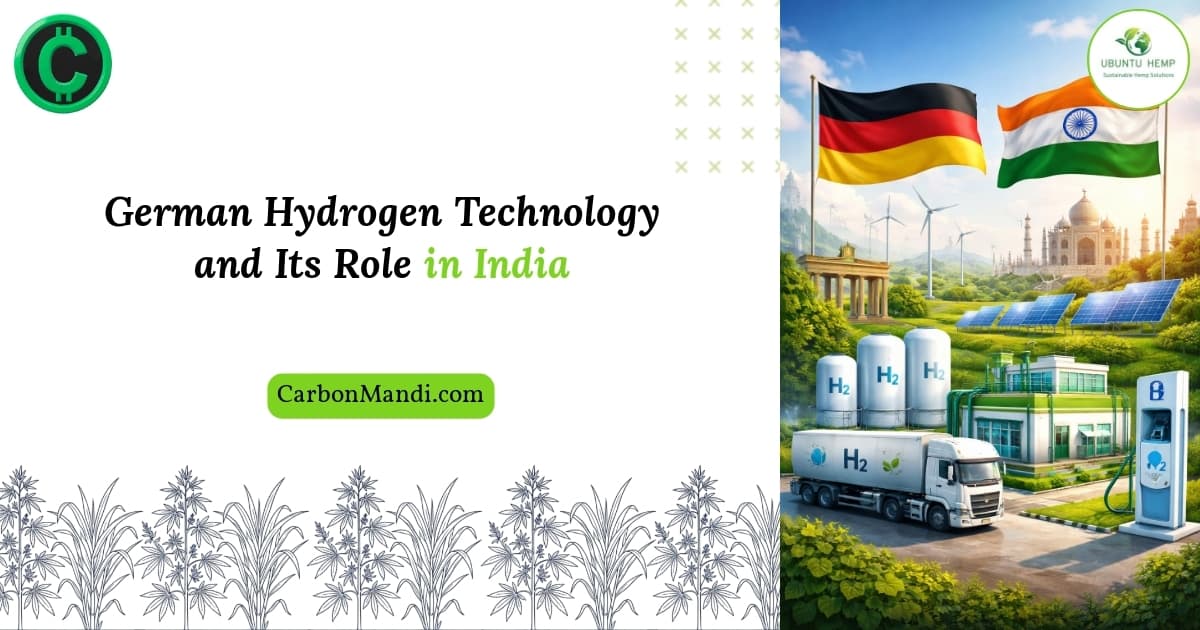
How German Hydrogen Technology Powers India's Clean Energy Future
- Carbon Credits
- German Hydrogen Technology and Its Role in India
- Sustainability
Table of Contents
- A Fresh Look at Hydrogen Innovation
- Why Germany’s Approach Matters for India
- Steps to Integrate Hydrogen Tech in India
- Real-World Success: Indo-German Collaborations
- Questions on Hydrogen’s Role in India
- Moving Forward Together
A Fresh Look at Hydrogen Innovation
German hydrogen technology is not just a buzzword; it’s a game changer for countries like India aiming to reduce carbon emissions and boost clean energy. Imagine a future where hydrogen powers industries, transportation, and homes without the pollution tied to fossil fuels. This vision is becoming tangible thanks to Germany’s advanced hydrogen solutions. The technology focuses on producing green hydrogen through renewable energy sources, making it a sustainable alternative.
India’s energy demands are growing rapidly, and integrating German hydrogen technology offers a promising path to meet these needs while cutting down carbon footprints. The keyword German Hydrogen Technology and Its Role in India fits perfectly here, as it highlights the cross-continental collaboration driving innovation. For instance, companies like Siemens and Thyssenkrupp are leading the charge in developing hydrogen production technologies that can be deployed in India.
Why Germany’s Approach Matters for India
Germany has invested heavily in hydrogen infrastructure, research, and policy frameworks that support a hydrogen economy. Their approach emphasizes green hydrogen, produced via electrolysis powered by wind and solar energy. This method ensures zero carbon emissions during production, a critical factor for India’s climate goals.
For India, adopting this technology means more than just cleaner energy. It opens doors to energy security, reduces dependence on imported fossil fuels, and creates new industries and jobs. Germany’s experience provides a blueprint for India to develop its hydrogen ecosystem efficiently, avoiding pitfalls and accelerating deployment. For example, the German government has set ambitious targets for hydrogen production, which India can mirror to establish its own goals.
Steps to Integrate Hydrogen Tech in India
Implementing German hydrogen technology in India involves several key steps:
- Establishing renewable energy capacity to power electrolysis plants. This could involve partnerships with companies like Enel Green Power, which specializes in renewable energy.
- Building infrastructure for hydrogen storage and transportation. This includes developing pipelines and storage facilities, potentially utilizing existing natural gas infrastructure for hydrogen transport.
- Developing regulatory frameworks and safety standards. India can learn from Germany’s stringent safety protocols to ensure safe hydrogen use.
- Encouraging public-private partnerships for technology transfer and investment. Collaborations with firms like Linde can facilitate knowledge sharing and investment.
- Training a skilled workforce to operate and maintain hydrogen systems. Educational institutions can introduce specialized courses in hydrogen technology to prepare the next generation of workers.
Each step requires coordination between government bodies, industry players, and research institutions. The process is complex but manageable with clear strategies and international cooperation.
Real-World Success: Indo-German Collaborations
One standout example is the partnership between German firms and Indian energy companies to pilot green hydrogen projects in Maharashtra and Gujarat. These projects demonstrate how German technology can be adapted to Indian conditions, using local renewable resources and addressing regional energy needs.
Another success story involves joint research initiatives focusing on hydrogen fuel cells for transportation. These collaborations have led to prototypes of hydrogen-powered buses and trucks, showcasing practical applications of German hydrogen technology in India’s transport sector. Companies like Ballard Power Systems are also contributing to this initiative by providing fuel cell technology that can be integrated into Indian vehicles.
Questions on Hydrogen’s Role in India
How safe is hydrogen technology? German standards ensure rigorous safety protocols, which India is adopting to protect workers and communities.
What about costs? While initial investments are high, long-term benefits include reduced fuel costs and environmental savings. The initial capital can be offset by government incentives and subsidies.
Can hydrogen replace all fossil fuels? It’s part of a broader energy mix, complementing solar, wind, and other renewables to create a balanced, sustainable system. Hydrogen can serve as a storage solution for excess renewable energy, enhancing grid stability.
Moving Forward Together
The journey to a hydrogen-powered India is underway, with German technology playing a pivotal role. For businesses and policymakers interested in this transition, staying informed and connected is key.
Join the conversation and learn more by joining our WhatsApp community. Explore partnerships, share insights, and be part of the clean energy revolution.
Carbonmandi building this With the advisory of Ubuntuhemp.