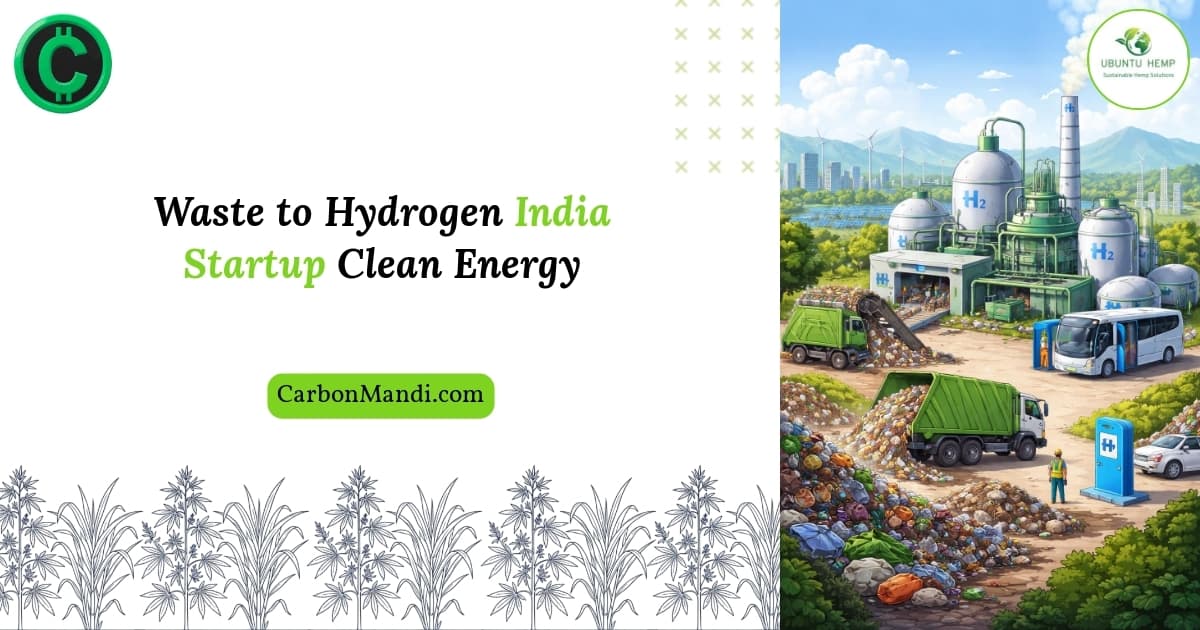
How Waste to Hydrogen Startups Are Powering India's Clean Energy Revolution
- Carbon Credits
- Sustainability
- What is waste to hydrogen India startup and How is it Shaping India's Clean Energy Future?
Table of Contents
- Rethinking Waste as Energy
- The Technology Behind the Transformation
- Impact on India's Energy Landscape
- Real-World Success Stories
- Questions About Waste to Hydrogen
- Joining the Movement
Rethinking Waste as Energy
Imagine turning the trash piling up in cities into a clean, powerful fuel source. That’s exactly what waste to hydrogen India startups are doing. These innovative companies are tackling two big problems at once: managing waste and producing clean energy. By converting organic and non-recyclable waste into hydrogen, they’re creating a sustainable fuel that could reshape India’s energy future. This approach is gaining traction because hydrogen is a clean fuel that emits only water when used, making it a perfect fit for India’s ambitious climate goals. The question isn’t just what is waste to hydrogen India startup but how this technology is becoming a game changer for the country’s energy sector. With the increasing urbanization and waste generation, these startups are not just a necessity but a beacon of hope for a cleaner tomorrow.
The Technology Behind the Transformation
The process starts with collecting waste that would otherwise end up in landfills. Using advanced methods like gasification or pyrolysis, these startups break down waste materials at high temperatures without combustion. This produces a hydrogen-rich gas mixture, which is then purified to extract clean hydrogen. For instance, companies like Greenko and ReNew Power are pioneering this technology, showcasing its effectiveness in turning waste into a viable energy source. Unlike traditional hydrogen production methods that rely heavily on fossil fuels, waste to hydrogen startups use discarded materials, reducing greenhouse gas emissions and landfill burden. This technology is scalable and adaptable, making it suitable for urban and rural areas alike, thus promoting a circular economy.
Impact on India's Energy Landscape
India’s energy demand is growing rapidly, and the country is under pressure to reduce its carbon footprint. Waste to hydrogen startups offer a dual benefit: they provide a renewable energy source while addressing the mounting waste crisis. By integrating this hydrogen into existing energy systems, India can reduce dependence on coal and imported fuels. This shift supports energy security and creates new green jobs. Moreover, hydrogen fuel can power vehicles, industries, and even generate electricity, making it a versatile solution. For example, hydrogen fuel cells are now being tested in public transport systems in cities like Delhi, showcasing the potential for cleaner urban mobility.
Real-World Success Stories
One startup in Bengaluru has successfully converted municipal solid waste into hydrogen, supplying local industries with clean fuel. Their pilot project reduced landfill waste by 30% and cut carbon emissions significantly. Another example is a Hyderabad-based company partnering with local governments to deploy waste-to-hydrogen plants in smaller towns. These projects not only generate clean energy but also improve sanitation and public health by reducing waste accumulation. Additionally, Hindustan Aeronautics Limited (HAL) is exploring partnerships with these startups to integrate hydrogen fuel into their operations, further emphasizing the industrial potential of this technology.
Questions About Waste to Hydrogen
How cost-effective is this technology? While initial setup costs can be high, operational expenses are decreasing as technology matures and scale increases. What about safety? Hydrogen is handled with strict safety protocols, and startups are investing heavily in secure infrastructure. Can this model be replicated nationwide? Yes, but it requires supportive policies, investment, and public awareness. The potential is huge, but collaboration between government, industry, and communities is essential. Moreover, educational initiatives can help demystify hydrogen technology for the public, fostering a more informed community.
Joining the Movement
If you’re curious about how waste to hydrogen India startups are shaping the clean energy future, consider these steps:
- Stay informed by following industry news and innovations.
- Support policies that encourage renewable energy and waste management.
- Join communities focused on clean energy, like Join our WhatsApp community.
India’s clean energy future is being built today by startups turning waste into hydrogen fuel. Carbonmandi is building this with the advisory of Ubuntuhemp, paving the way for a sustainable tomorrow. By embracing this innovative approach, we can collectively contribute to a cleaner, greener India.