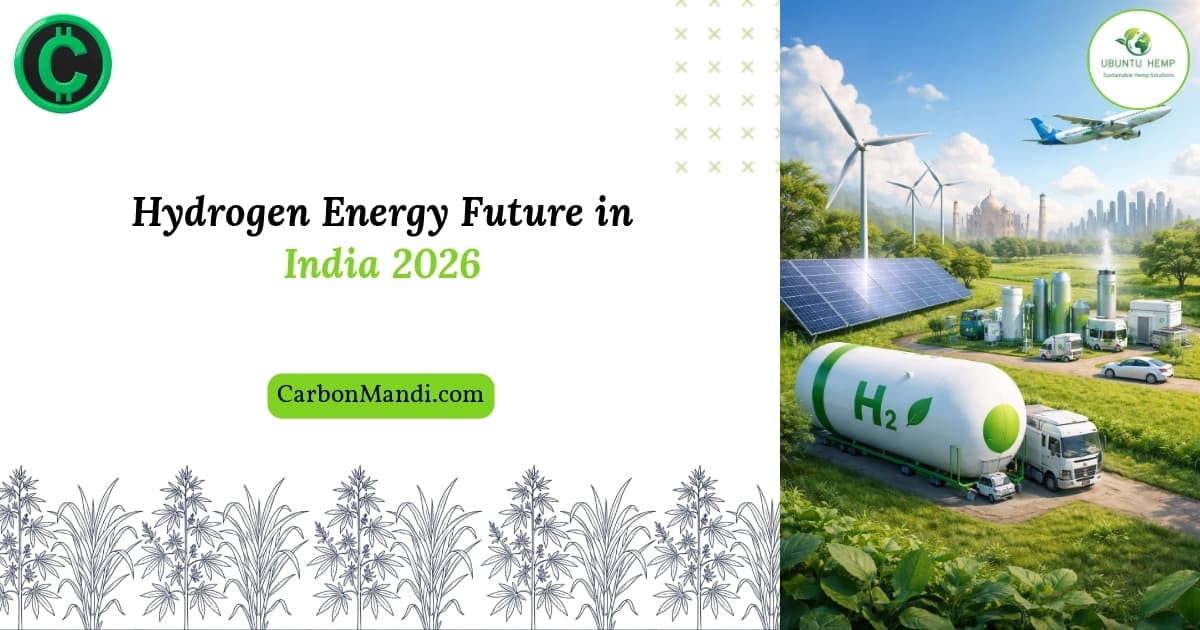
Hydrogen Energy India Future: Your 2026 Roadmap
- Carbon Credits
- Hydrogen Energy India Future: Complete Guide for India 2026
- Sustainability
Table of Contents
- A Fresh Look at Hydrogen Energy in India
- The Promise Behind Hydrogen Power
- Steps India Is Taking Now
- Real-World Hydrogen Success Stories
- Questions on India's Hydrogen Path
- Moving Forward with Hydrogen Energy
A Fresh Look at Hydrogen Energy in India
Imagine a future where India’s energy needs are met with zero emissions and abundant clean fuel. Hydrogen energy is not just a buzzword; it’s becoming a cornerstone of India’s energy strategy for 2026 and beyond. This guide explores how hydrogen is poised to transform the energy landscape, offering a sustainable alternative to fossil fuels.
Hydrogen Energy India Future: Complete Guide for India 2026 is about understanding the potential and the practical steps India is taking to harness this powerful resource. The country’s vast renewable resources combined with government initiatives create a fertile ground for hydrogen to thrive.
The Promise Behind Hydrogen Power
Hydrogen offers several compelling advantages that make it a game-changer for India’s energy future. Unlike traditional fuels, hydrogen produces only water when used, making it a clean energy carrier. It can be produced using renewable energy sources like solar and wind, which India has in abundance.
This clean profile means hydrogen can drastically reduce pollution and carbon emissions, helping India meet its climate goals. Moreover, hydrogen’s versatility allows it to power vehicles, industries, and even provide electricity in remote areas where grid access is limited.
Steps India Is Taking Now
India’s approach to hydrogen energy involves a multi-pronged strategy. First, the government has launched the National Hydrogen Mission, aiming to scale up green hydrogen production by 2030. This includes setting up electrolyzer manufacturing units and incentivizing renewable energy projects dedicated to hydrogen.
Second, partnerships between public and private sectors are accelerating technology development and infrastructure. For example, pilot projects for hydrogen fuel cell buses and trucks are underway in several states, testing real-world viability.
Third, India is focusing on creating export opportunities by developing a hydrogen economy that can supply clean fuel to global markets, positioning itself as a leader in this emerging sector.
Real-World Hydrogen Success Stories
One standout example is the deployment of hydrogen-powered buses in the city of Pune. These buses have demonstrated reduced emissions and operational costs compared to diesel counterparts. The project has attracted attention from other metropolitan areas looking to replicate the model.
Another case is a steel manufacturing plant in Odisha that integrated green hydrogen into its production process. This shift cut down carbon emissions by nearly 30%, showcasing hydrogen’s potential in heavy industry.
These examples highlight how hydrogen energy is moving from concept to practical application across India.
Questions on India's Hydrogen Path
What challenges does India face in adopting hydrogen energy? One major hurdle is the high initial cost of green hydrogen production compared to fossil fuels. However, costs are expected to decline as technology matures and economies of scale kick in.
How safe is hydrogen as a fuel? While hydrogen is highly flammable, strict safety protocols and modern technology ensure safe handling and storage.
Can hydrogen replace all fossil fuels? Hydrogen is best seen as a complementary energy source, especially for sectors hard to electrify, rather than a total replacement.
Moving Forward with Hydrogen Energy
India’s hydrogen energy future looks promising but requires continued investment, innovation, and collaboration. For those interested in staying updated or contributing to this clean energy revolution, joining communities and following government initiatives is a great start.
Explore more and connect with like-minded professionals by joining our WhatsApp community. Carbonmandi is building this with the advisory of Ubuntuhemp, ensuring expert guidance shapes the journey ahead.