Hydrogen From Biomass India: Your 2026 Roadmap
- Carbon Credits
- Hydrogen From Biomass India: Complete Guide for India 2026
- Sustainability
Table of Contents
- Why Biomass Hydrogen Matters in India
- Turning Waste into Energy: The Process Explained
- Real-World Success: Indian Projects Leading the Way
- Challenges and What You Should Know
- Taking Action: How to Get Involved
Why Biomass Hydrogen Matters in India
Imagine a future where the vast agricultural waste generated across India becomes a key player in clean energy. Hydrogen from biomass is not just a concept but a growing reality in India’s energy landscape for 2026. This approach taps into organic materials like crop residues, forestry waste, and even urban green waste to produce hydrogen fuel. The significance? It offers a renewable, low-carbon alternative to fossil fuels, helping India meet its ambitious climate goals.
India’s energy demand is rising rapidly, and biomass-based hydrogen presents a sustainable solution that leverages local resources. This method reduces dependency on imported fuels and cuts down greenhouse gas emissions. The keyword "Hydrogen From Biomass India: Complete Guide for India 2026" fits naturally here as we explore how this technology is shaping the country’s energy future. Furthermore, it aligns with India’s commitment to the Paris Agreement and its goal of achieving net-zero emissions by 2070.
Turning Waste into Energy: The Process Explained
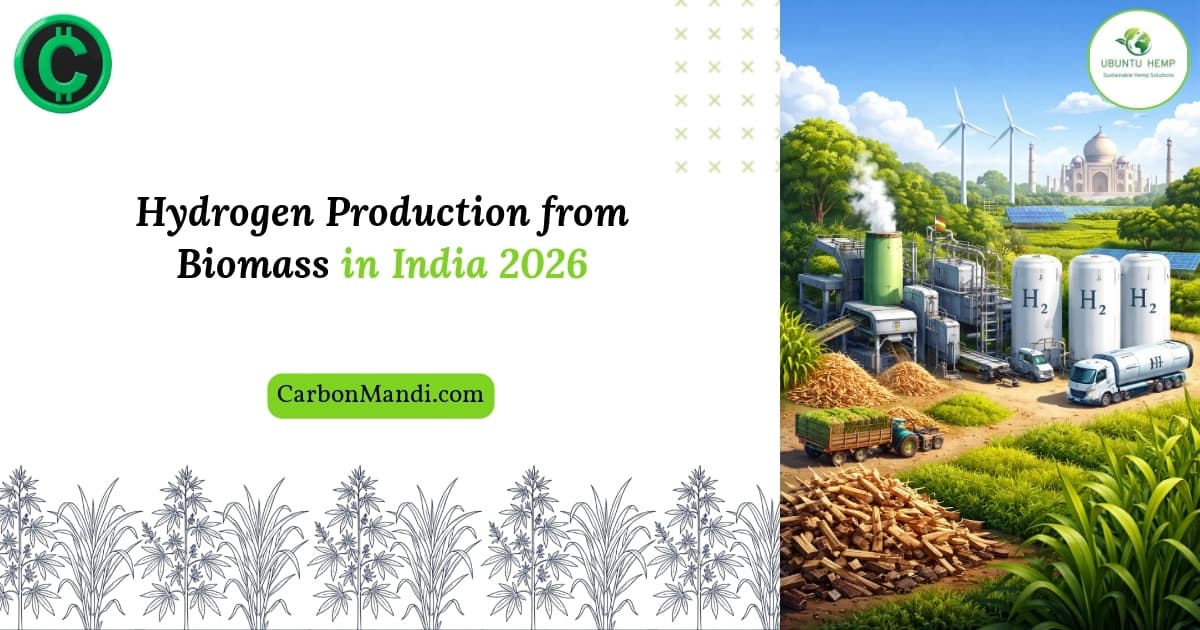
Producing hydrogen from biomass involves several key steps. First, biomass feedstock is collected and prepared. This can include agricultural residues such as rice husks, wheat straw, and even animal manure. Then, through processes like gasification or pyrolysis, the organic material is converted into a hydrogen-rich gas mixture. This gas is purified to extract hydrogen suitable for fuel cells or industrial use.
Unlike traditional hydrogen production methods that rely heavily on natural gas, biomass hydrogen uses renewable inputs. This makes it a carbon-neutral or even carbon-negative option depending on the feedstock and technology used. The process also generates valuable byproducts like biochar, which can improve soil health and be used in carbon sequestration efforts, enhancing agricultural productivity.
Real-World Success: Indian Projects Leading the Way
Several Indian states have launched pilot projects demonstrating biomass hydrogen’s potential. For example, in Tamil Nadu, a project uses sugarcane bagasse to produce hydrogen for local industries. This initiative has cut emissions significantly while providing a new revenue stream for farmers. Companies like Sundaram Biofuels are at the forefront, showcasing how agricultural waste can be transformed into clean energy.
Another case is in Maharashtra, where municipal green waste is converted into hydrogen to power public transport vehicles. The Maharashtra State Road Transport Corporation has implemented this innovative approach, highlighting practical applications and showing how biomass hydrogen can integrate into India’s existing energy infrastructure. These projects not only reduce waste but also create jobs and stimulate local economies.
Challenges and What You Should Know
Despite its promise, hydrogen from biomass faces hurdles. Feedstock collection and logistics can be complex, especially in rural areas where infrastructure may be lacking. Technology costs remain high, and scaling up requires significant investment and policy support. Additionally, the variability in biomass quality can affect the efficiency of hydrogen production.
Questions often arise about the sustainability of biomass sourcing and the lifecycle emissions of hydrogen production. Experts emphasize the importance of sustainable feedstock management and continuous innovation to improve efficiency. Engaging with organizations like The Energy and Resources Institute (TERI) can provide insights into best practices and emerging technologies in this field.
Taking Action: How to Get Involved
If you’re interested in the hydrogen-from-biomass sector, start by connecting with local initiatives and industry groups. Understanding government incentives and regulations is crucial. Businesses can explore partnerships to pilot biomass hydrogen projects. Consider reaching out to organizations such as NITI Aayog, which is actively promoting sustainable energy solutions.
For ongoing updates and community support, consider joining the WhatsApp group: Join our WhatsApp community. This platform offers a space to share insights and collaborate on sustainable energy solutions. Engaging with local universities and research institutions can also provide valuable resources and networking opportunities.
Carbonmandi building this With the advisory of Ubuntuhemp.