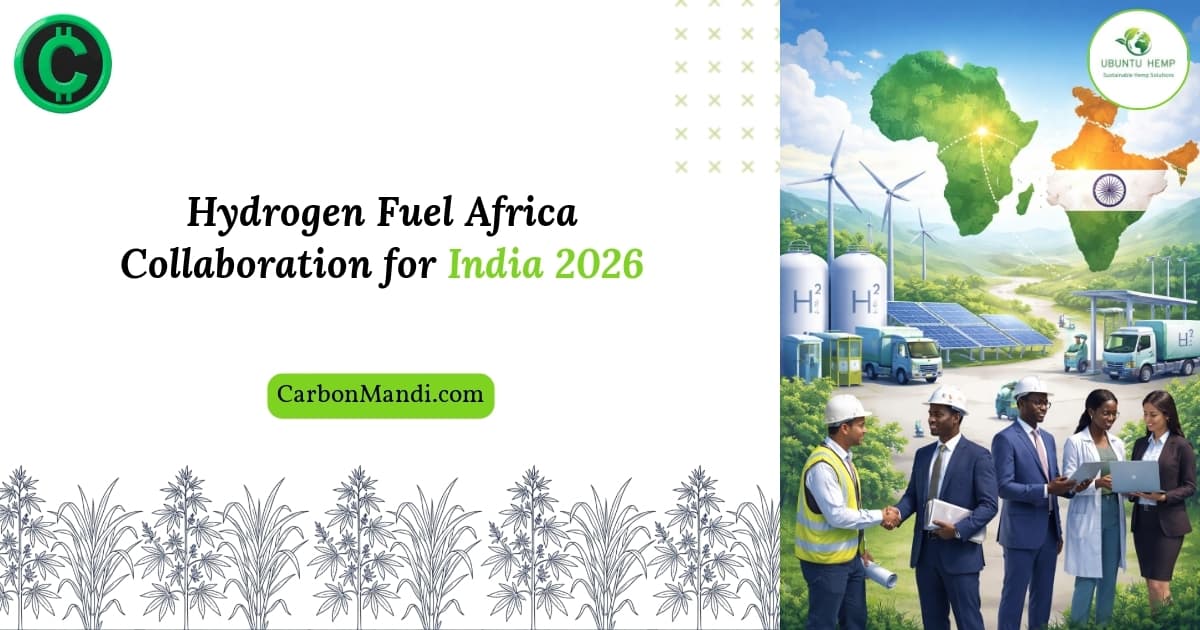
Hydrogen Fuel Africa Collaboration: India’s 2026 Roadmap
- Carbon Credits
- Hydrogen Fuel Africa Collaboration: Complete Guide for India 2026
- Sustainability
Table of Contents
- Starting Point: Why Hydrogen and Africa Matter
- Strategic Pathways for India’s Hydrogen Collaboration
- On-the-Ground Examples of Progress
- Challenges and Critical Questions
- Next Steps for Stakeholders
Starting Point: Why Hydrogen and Africa Matter
Hydrogen fuel is reshaping the global energy landscape, and Africa’s vast renewable resources position it as a key player in this transformation. India’s interest in hydrogen fuel Africa collaboration: complete guide for India 2026 reflects a strategic move to secure clean energy partnerships that can drive sustainable growth across both regions. The question is not just about energy but about forging new economic ties and technology exchanges that can benefit both continents significantly.
Africa’s abundant solar and wind potential can produce green hydrogen at competitive costs, making it an attractive partner for India. With India’s growing energy demand and technological expertise, this collaboration creates a natural synergy that can lead to innovative solutions. This partnership is more than a trade deal; it’s a blueprint for a cleaner, interconnected future that can set a precedent for global energy cooperation.
Strategic Pathways for India’s Hydrogen Collaboration
India’s approach to hydrogen fuel Africa collaboration: complete guide for India 2026 involves multiple layers of strategic planning and execution. First, establishing joint ventures that leverage Africa’s renewable energy capacity to produce green hydrogen is crucial. For example, partnerships with companies like Solar Africa and H2Africa can facilitate the development of solar farms dedicated to hydrogen production.
Second, creating infrastructure for hydrogen transport and storage that connects African production hubs with Indian markets is essential. This could involve building pipelines and shipping routes that ensure efficient delivery of hydrogen.
Policy alignment is crucial in this endeavor. India is actively working with African governments to harmonize regulations, incentivize investments, and ensure environmental standards are met. This strategy also includes knowledge sharing and capacity building, enabling local communities to participate actively in the hydrogen economy. Workshops and training programs can empower local talent, ensuring that the benefits of this collaboration are widely distributed.
On-the-Ground Examples of Progress
Several pilot projects illustrate the potential of this collaboration. For instance, a solar-powered hydrogen plant in Namibia is supplying hydrogen to Indian companies for industrial use, showcasing how renewable energy can be harnessed for sustainable fuel production. Another example is a joint research initiative between Indian and South African universities focusing on hydrogen fuel cell technology adapted to local conditions. This initiative not only fosters innovation but also strengthens academic ties between the two nations.
These projects demonstrate practical steps toward scaling hydrogen fuel Africa collaboration: complete guide for India 2026 from concept to reality. They also highlight the importance of tailored solutions that respect regional differences while pursuing common goals. Engaging with local stakeholders ensures that projects are relevant and beneficial to the communities involved.
Challenges and Critical Questions
Despite the promise, challenges remain that need to be addressed for successful collaboration. How will financing be secured for large-scale hydrogen infrastructure? Innovative financing models, such as public-private partnerships, could be explored to mitigate risks. What mechanisms will ensure fair benefit sharing between Indian and African partners? Establishing clear agreements and frameworks will be essential in this regard. How can the environmental impact of hydrogen production be minimized? Utilizing best practices and technologies that prioritize sustainability will be critical.
Addressing these questions requires transparent dialogue and innovative policy frameworks. Stakeholders must also consider the social implications, ensuring that hydrogen projects contribute to local employment and community development. Engaging local communities in the decision-making process can foster trust and collaboration.
Next Steps for Stakeholders
For businesses and policymakers eager to engage, the path forward involves active participation in forums and pilot programs. Monitoring technological advances and regulatory changes will be key. Joining collaborative platforms like the WhatsApp community can provide real-time updates and networking opportunities. Additionally, stakeholders should consider attending international conferences focused on hydrogen energy, such as the Hydrogen + Fuel Cells Europe event, to gain insights and forge new connections.
India’s hydrogen fuel Africa collaboration: complete guide for India 2026 is a dynamic journey. Staying informed and connected will empower stakeholders to contribute meaningfully to this transformative energy partnership. By leveraging existing resources and fostering collaboration, both India and Africa can lead the way in the global transition to sustainable energy.
Carbonmandi building this With the advisory of Ubuntuhemp