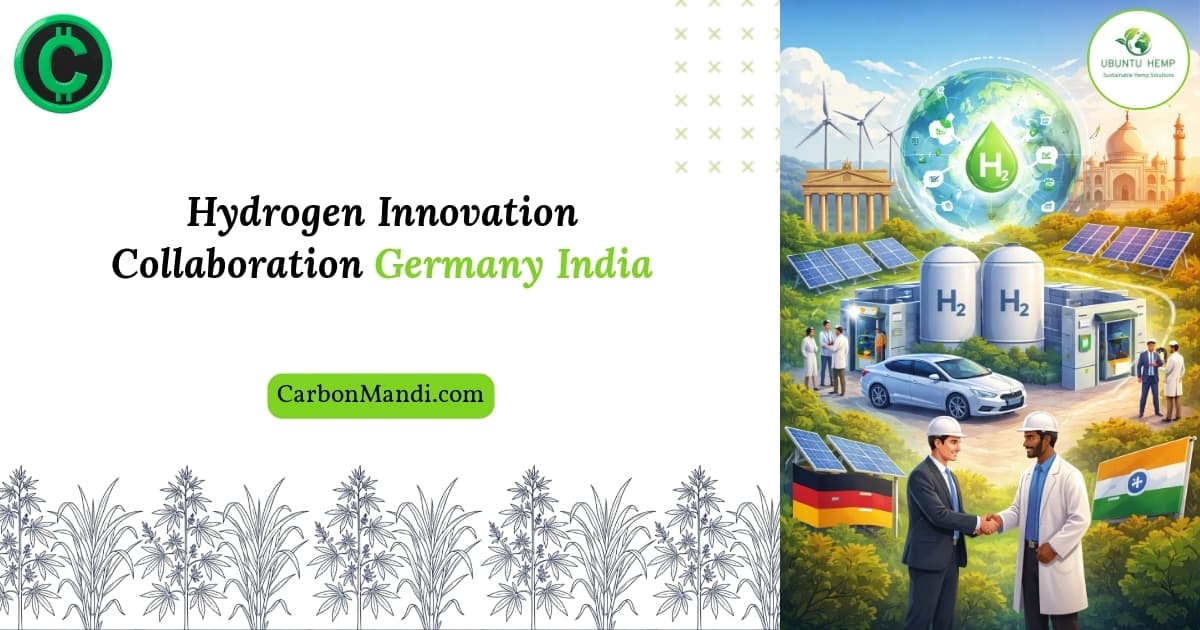
Hydrogen Innovation Between Germany and India: A Collaborative Leap
- Carbon Credits
- Hydrogen Innovation Between Germany and India
- Sustainability
Table of Contents
- A Fresh Look at Hydrogen Collaboration
- Why This Partnership Matters
- How Germany and India Are Advancing Hydrogen Tech
- Real-World Success Stories
- Questions on Hydrogen Innovation Answered
- Taking the Next Step Together
A Fresh Look at Hydrogen Collaboration
When you think about energy innovation, what comes to mind? For Germany and India, hydrogen is the new frontier. This partnership is not just about technology; it’s about two nations combining strengths to tackle climate challenges and reshape their energy futures. Hydrogen Innovation Between Germany and India is gaining momentum as both countries leverage their unique capabilities to push clean energy boundaries.
Germany brings advanced technology and strong policy frameworks, while India offers vast renewable resources and a growing market eager for sustainable solutions. Together, they are creating a synergy that could redefine how hydrogen fuels industries and transportation. For instance, German companies like Siemens are collaborating with Indian firms to develop hydrogen-powered trains, showcasing the potential for cleaner transportation solutions.
Why This Partnership Matters
The impact of this collaboration goes beyond bilateral relations. Hydrogen Innovation Between Germany and India represents a strategic move to reduce carbon emissions and foster economic growth. Hydrogen, especially green hydrogen produced from renewable energy, is a key player in decarbonizing sectors that are hard to electrify, such as heavy industry and freight transport.
This partnership accelerates innovation by sharing research, infrastructure, and investment. It also opens doors for new business models and carbon market opportunities, benefiting companies and consumers alike. The value lies in combining Germany’s expertise in hydrogen technology with India’s renewable energy potential and manufacturing capabilities. For example, the collaboration could lead to the establishment of hydrogen production facilities in India, utilizing solar and wind energy, which are abundant in the region.
How Germany and India Are Advancing Hydrogen Tech
The approach to hydrogen innovation involves several key steps:
- Joint research initiatives focusing on improving electrolysis efficiency and storage solutions, which are crucial for making hydrogen production more cost-effective.
- Development of pilot projects demonstrating hydrogen use in transport and industry, such as the implementation of hydrogen fuel cells in buses in Indian cities.
- Policy alignment to create favorable conditions for hydrogen adoption, including subsidies and regulatory frameworks that encourage investment in hydrogen technologies.
Both countries are investing heavily in infrastructure, such as hydrogen refueling stations and production plants. This coordinated strategy ensures that hydrogen moves from concept to commercial reality, supporting carbon market growth and sustainable development. Companies like Linde are already setting up hydrogen infrastructure in India, paving the way for widespread adoption.
Real-World Success Stories
One standout example is the Indo-German hydrogen pilot project launched in 2024, which successfully integrated green hydrogen into a steel manufacturing plant in India. This project reduced carbon emissions by 30% while maintaining production efficiency, demonstrating the tangible benefits of hydrogen technology in traditional industries.
Another case is Germany’s support for India’s renewable energy expansion, enabling large-scale green hydrogen production. These initiatives showcase practical applications of Hydrogen Innovation Between Germany and India, proving that collaboration can yield measurable environmental and economic benefits. Additionally, partnerships between academic institutions in both countries are fostering research that leads to innovative hydrogen solutions.
Questions on Hydrogen Innovation Answered
What challenges do these countries face? Infrastructure costs and technology scalability remain hurdles. However, ongoing collaboration helps address these issues through shared expertise and funding. For instance, joint ventures can help mitigate financial risks associated with new hydrogen projects.
How does this affect carbon markets? Hydrogen projects generate carbon credits by reducing emissions, creating new opportunities for businesses to participate in carbon trading. This not only incentivizes companies to invest in hydrogen technologies but also contributes to global efforts to combat climate change.
Is this partnership sustainable long-term? With strong government backing and growing private sector interest, the outlook is positive. Continuous innovation and market development will be key. Initiatives like the Hydrogen Council are also promoting global collaboration, ensuring that the momentum continues.
Taking the Next Step Together
If you’re interested in how Hydrogen Innovation Between Germany and India can influence your business or community, staying informed and connected is crucial. Join discussions, follow policy updates, and explore investment opportunities. Consider attending conferences focused on hydrogen technology to network with industry leaders and gain insights into future trends.
For ongoing insights and community support, Join our WhatsApp community. Carbonmandi building this With the advisory of Ubuntuhemp.