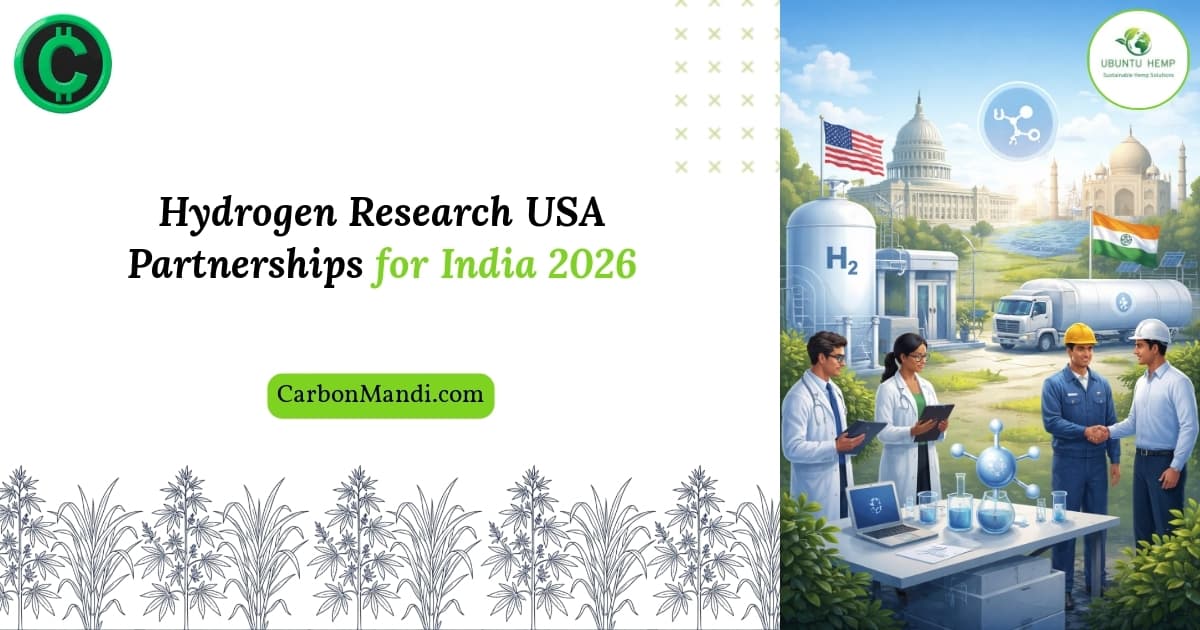
Hydrogen Research USA Partnerships: India’s 2026 Roadmap
- Carbon Credits
- Hydrogen Research Usa Partnerships: Complete Guide for India 2026
- Sustainability
Table of Contents
- A Fresh Look at Hydrogen Collaboration
- Why These Partnerships Matter for India
- How The Collaboration Works
- Success Stories Lighting the Way
- Questions on Hydrogen Research Partnerships
- Taking Action in 2026
A Fresh Look at Hydrogen Collaboration
Imagine a future where India’s energy needs are met with clean hydrogen fuel, produced efficiently and sustainably. That vision is closer than ever thanks to the growing hydrogen research USA partnerships: complete guide for India 2026. These collaborations bring together cutting-edge American technology and India’s vast potential to accelerate hydrogen innovation. The question is not if but how these partnerships will transform India’s energy landscape.
The keyword "Hydrogen Research Usa Partnerships: Complete Guide for India 2026" captures this dynamic exchange of knowledge and resources. It’s about more than just research; it’s about building a foundation for a hydrogen economy that can power industries, transportation, and homes with zero emissions. For instance, collaborations with companies like Plug Power and Air Products are paving the way for scalable hydrogen solutions in India.
Why These Partnerships Matter for India
India faces a unique energy challenge: balancing rapid economic growth with environmental sustainability. Hydrogen offers a promising solution, but developing the technology and infrastructure requires expertise and investment. That’s where USA partnerships come in.
These collaborations provide access to advanced research facilities, funding opportunities, and technical know-how. They also help India leapfrog traditional fossil fuel dependency by adopting green hydrogen technologies faster. The impact extends beyond energy, creating jobs and fostering innovation ecosystems across Indian states. For example, the partnership with the National Renewable Energy Laboratory (NREL) is expected to enhance local capabilities in hydrogen production.
How The Collaboration Works
The process of these hydrogen research partnerships involves several key steps:
- Joint research projects focusing on hydrogen production, storage, and utilization, such as developing efficient electrolyzers.
- Exchange programs for scientists and engineers to share expertise, ensuring knowledge transfer and skill development.
- Pilot projects in India testing new hydrogen technologies adapted to local conditions, like the deployment of hydrogen-powered rickshaws in urban areas.
- Policy dialogues to align regulations and incentives supporting hydrogen adoption, ensuring a conducive environment for growth.
This structured approach ensures that both countries benefit from shared knowledge while tailoring solutions to India’s specific needs. The partnerships also emphasize sustainability, aiming to produce hydrogen using renewable energy sources like solar and wind, which are abundantly available in India.
Success Stories Lighting the Way
One standout example is the collaboration between an Indian energy startup and a US national laboratory. Together, they developed a cost-effective electrolyzer that converts water into hydrogen using solar power. This pilot project in Rajasthan demonstrated a 30% reduction in production costs compared to conventional methods, showcasing the potential for large-scale implementation.
Another case involves a joint venture focusing on hydrogen fuel cell buses in Indian metropolitan areas. The partnership helped deploy 50 buses running on clean hydrogen, significantly reducing urban air pollution. These real-world applications highlight the tangible benefits of hydrogen research USA partnerships: complete guide for India 2026. Furthermore, the success of these projects can inspire additional investments and initiatives in the hydrogen sector.
Questions on Hydrogen Research Partnerships
What are the biggest hurdles in these collaborations? Funding and regulatory alignment often top the list. Both countries must navigate different policy environments and market conditions, which can slow progress.
How does India ensure technology transfer benefits local industries? By involving Indian companies early in research and pilot phases, partnerships promote domestic capacity building, enabling local firms to thrive in the hydrogen economy.
Are these partnerships scalable? Yes, with continued investment and government support, the models proven in pilot projects can expand nationwide, creating a robust hydrogen infrastructure.
Taking Action in 2026
For stakeholders interested in hydrogen’s potential, now is the time to engage. Whether you’re a policymaker, researcher, or business leader, understanding these partnerships opens doors to innovation and growth.
Join discussions, follow pilot projects, and connect with experts through platforms like Join our WhatsApp community. Together, we can accelerate India’s hydrogen future, ensuring a cleaner, more sustainable energy landscape for generations to come.
Carbonmandi building this With the advisory of Ubuntuhemp