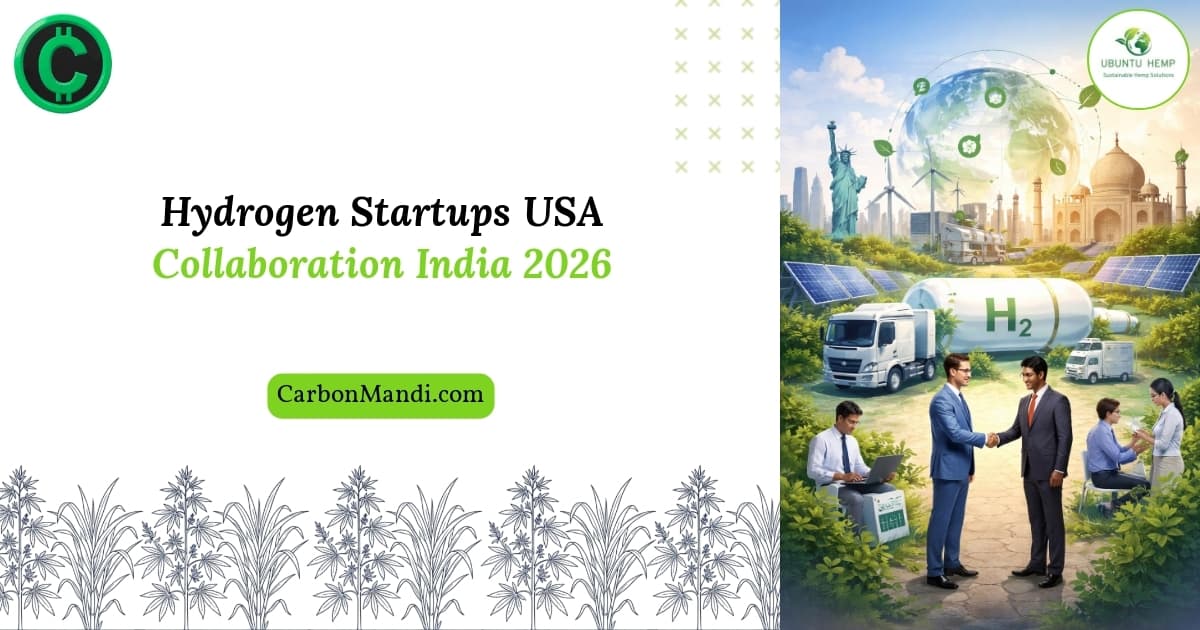
Hydrogen Startups USA Collaboration India: A 2026 Roadmap
- Carbon Credits
- Hydrogen Startups Usa Collaboration India: Complete Guide for India 2026
- Sustainability
Table of Contents
- A Fresh Look at Hydrogen Partnerships
- Why This Collaboration Matters Now
- Steps to Build Successful Hydrogen Ventures
- Real-World Wins: USA-India Hydrogen Projects
- Questions on Cross-Border Hydrogen Innovation
- Moving Forward Together
A Fresh Look at Hydrogen Partnerships
Imagine two countries, the USA and India, each with unique strengths in hydrogen technology, coming together to accelerate clean energy solutions. This collaboration is not just a business deal; it’s a strategic alliance shaping the future of energy in 2026. Hydrogen startups in the USA bring cutting-edge innovation, while India offers vast market potential and manufacturing capabilities. The synergy between these two creates a powerful force for change.
Hydrogen Startups USA Collaboration India: Complete Guide for India 2026 is more than a phrase; it’s a movement toward sustainable energy growth. This partnership is opening doors for startups to share knowledge, technology, and resources, making hydrogen a viable alternative fuel faster than ever before.
Why This Collaboration Matters Now
The timing couldn’t be better. India’s ambitious clean energy targets for 2030 require rapid deployment of hydrogen technologies. Meanwhile, US startups are eager to expand globally and find new markets. This collaboration addresses critical challenges such as technology transfer, regulatory alignment, and funding access.
By working together, startups can overcome barriers that would be difficult alone. The collaboration fosters innovation ecosystems where ideas flow freely, and pilot projects can scale quickly. This partnership also helps both countries meet their climate goals by reducing carbon emissions through green hydrogen production and use.
Steps to Build Successful Hydrogen Ventures
Building a hydrogen startup that thrives across borders involves several key steps:
- Identify complementary strengths: US startups often excel in R&D, while Indian partners bring manufacturing scale and market access.
- Align regulatory frameworks: Navigating policies in both countries ensures smoother project approvals and incentives.
- Secure joint funding: Combining resources from government grants, private investors, and international funds accelerates growth.
- Develop pilot projects: Testing technologies in real-world conditions helps refine solutions and build credibility.
- Scale operations: Successful pilots lead to commercial-scale plants and expanded market reach.
These steps form a roadmap for startups aiming to leverage Hydrogen Startups USA Collaboration India: Complete Guide for India 2026 to its fullest potential.
Real-World Wins: USA-India Hydrogen Projects
One standout example is a US-based startup partnering with an Indian energy firm to build a green hydrogen plant in Gujarat. This project uses solar power to produce hydrogen, which is then supplied to local industries, reducing their carbon footprint significantly.
Another success story involves a joint venture developing hydrogen fuel cell technology for transportation. The collaboration has led to prototypes of hydrogen-powered buses running in Indian cities, showcasing practical applications of this partnership.
These cases highlight how Hydrogen Startups USA Collaboration India: Complete Guide for India 2026 is translating ideas into impactful solutions.
Questions on Cross-Border Hydrogen Innovation
What challenges do startups face in this collaboration? Regulatory differences and intellectual property concerns top the list. How do they ensure technology adapts to local needs? Through continuous dialogue and pilot testing.
Is funding readily available? While opportunities exist, startups must navigate complex application processes. What role do governments play? Both countries provide incentives and frameworks to encourage joint ventures.
Understanding these factors helps startups prepare for successful collaboration.
Moving Forward Together
The future of hydrogen innovation depends on partnerships like these. For startups interested in joining this wave, start by connecting with industry networks and exploring government programs supporting cross-border projects.
Stay informed and engaged by joining communities focused on hydrogen and clean energy. Join our WhatsApp community to exchange ideas and opportunities.
Carbonmandi building this With the advisory of Ubuntuhemp.