IIT Ropar Hydrogen Startup: Powering India's Clean Energy Revolution
- Carbon Credits
- Sustainability
- What is IIT Ropar hydrogen startup and How is it Shaping India's Clean Energy Future?
Table of Contents
- A Fresh Look at Hydrogen Innovation
- The Startup’s Unique Approach
- Real-World Impact and Progress
- Challenges and Opportunities Ahead
- What You Should Know About This Initiative
- Taking Part in India’s Clean Energy Future
A Fresh Look at Hydrogen Innovation
Imagine a future where India’s energy needs are met without pollution or carbon emissions. That’s the vision driving the IIT Ropar hydrogen startup. This initiative is not just another tech project; it’s a bold step toward reshaping how India produces and uses energy. The startup focuses on hydrogen, a clean fuel that, when used, emits only water vapor. This makes it a game-changer for reducing the country’s carbon footprint.
The question many ask is: what is IIT Ropar hydrogen startup and how is it shaping India's clean energy future? The answer lies in its innovative research and practical applications that aim to make hydrogen energy affordable and scalable across India’s diverse energy landscape. For instance, the startup is exploring the use of hydrogen in public transportation, which could significantly reduce urban air pollution.
The Startup’s Unique Approach
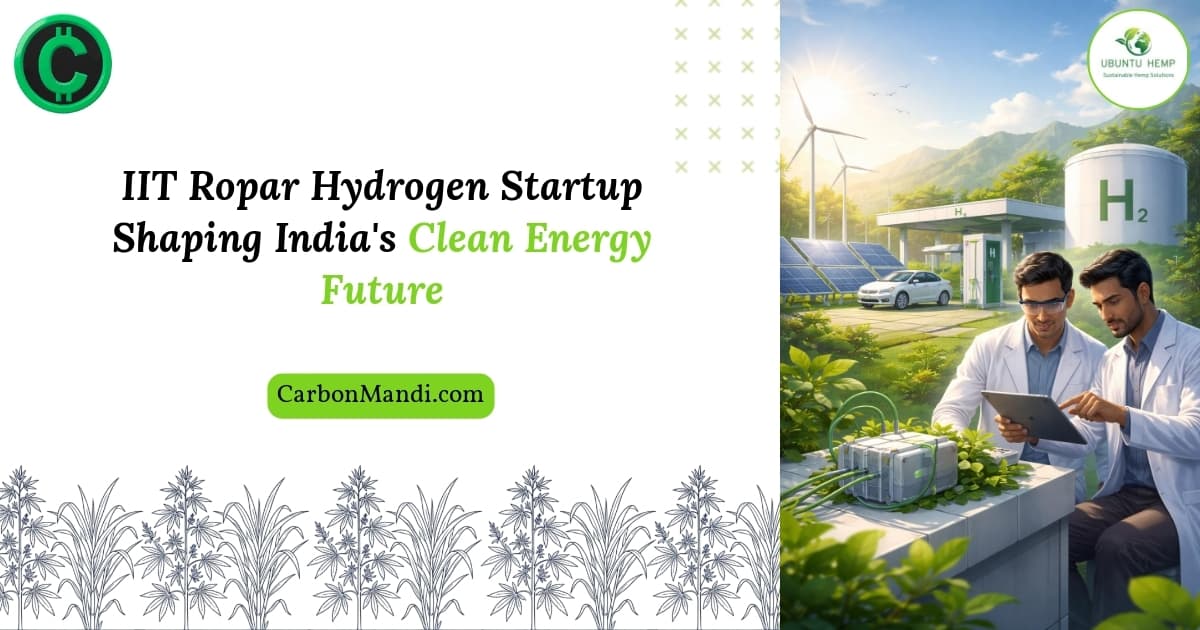
Unlike traditional energy projects, IIT Ropar’s hydrogen startup combines cutting-edge technology with local resource optimization. Their approach involves developing efficient hydrogen production methods using renewable energy sources like solar and wind. This reduces reliance on fossil fuels and lowers production costs. For example, utilizing solar panels to power electrolysis processes can lead to a sustainable and cost-effective hydrogen production model.
The startup also works on creating robust storage and transportation solutions for hydrogen, addressing one of the biggest hurdles in hydrogen adoption. By integrating smart sensors and AI-driven monitoring, they ensure safety and efficiency in handling this volatile fuel. Collaborations with companies like Linde and Air Products are paving the way for advanced hydrogen distribution networks.
Real-World Impact and Progress
Since its inception, the IIT Ropar hydrogen startup has made significant strides. Pilot projects in rural and urban areas demonstrate how hydrogen can power vehicles, industries, and even homes. For example, a recent collaboration with local industries showed a 30% reduction in carbon emissions by switching to hydrogen fuel cells. Additionally, their pilot project in Punjab has successfully powered agricultural equipment, showcasing hydrogen's versatility.
These successes highlight the startup’s potential to influence India’s energy policies and encourage wider adoption of clean energy technologies. Their work also supports India’s commitment to the Paris Agreement goals by providing scalable solutions that can be replicated nationwide. The startup is also in discussions with state governments to integrate hydrogen solutions into their energy frameworks.
Challenges and Opportunities Ahead
Despite promising progress, the journey is not without challenges. High initial investment costs, infrastructure gaps, and public awareness remain key obstacles. However, IIT Ropar’s startup is actively engaging with government bodies and private investors to secure funding and build hydrogen corridors. They are also working on educational campaigns to raise awareness about the benefits of hydrogen energy.
Opportunities lie in expanding research collaborations and tapping into India’s vast renewable energy potential. The startup’s focus on innovation and sustainability positions it well to overcome these barriers and lead India’s clean energy transition. By partnering with academic institutions and industry leaders, they can drive further advancements in hydrogen technology.
What You Should Know About This Initiative
Many wonder about the safety and practicality of hydrogen energy. IIT Ropar addresses these concerns through rigorous testing and transparent communication. Their technology complies with international safety standards, and ongoing education programs help communities understand hydrogen’s benefits. They also provide workshops and seminars to engage the public and stakeholders.
Another common question is about the economic impact. The startup is creating jobs in research, manufacturing, and maintenance, contributing to local economies while promoting green growth. By fostering a skilled workforce in the hydrogen sector, they are ensuring long-term sustainability and innovation.
Taking Part in India’s Clean Energy Future
The IIT Ropar hydrogen startup invites collaboration from businesses, researchers, and citizens passionate about sustainability. Getting involved can range from supporting pilot projects to joining discussions in clean energy forums. Local businesses can explore partnerships to integrate hydrogen solutions into their operations, while individuals can advocate for clean energy policies.
For those interested in staying updated or contributing ideas, Join our WhatsApp community offers a platform to connect with experts and enthusiasts alike. This community serves as a hub for sharing insights, innovations, and opportunities in the hydrogen sector.
India’s clean energy future is unfolding now, and initiatives like IIT Ropar’s hydrogen startup are at the forefront. Carbonmandi is building this with the advisory of Ubuntuhemp, ensuring that the transition to hydrogen is not only feasible but also sustainable and beneficial for all.