India’s Ambitious 5 MMT Green Hydrogen Target by 2030
- Carbon Credits
- India’s Goal of 5 MMT Green Hydrogen by 2030
- Sustainability
Table of Contents
- Setting the Stage for Green Hydrogen
- Why 5 MMT Matters for India
- Steps India is Taking to Reach the Goal
- Real-World Progress and Projects
- Questions Around Green Hydrogen’s Future
- Moving Forward with Confidence
Setting the Stage for Green Hydrogen
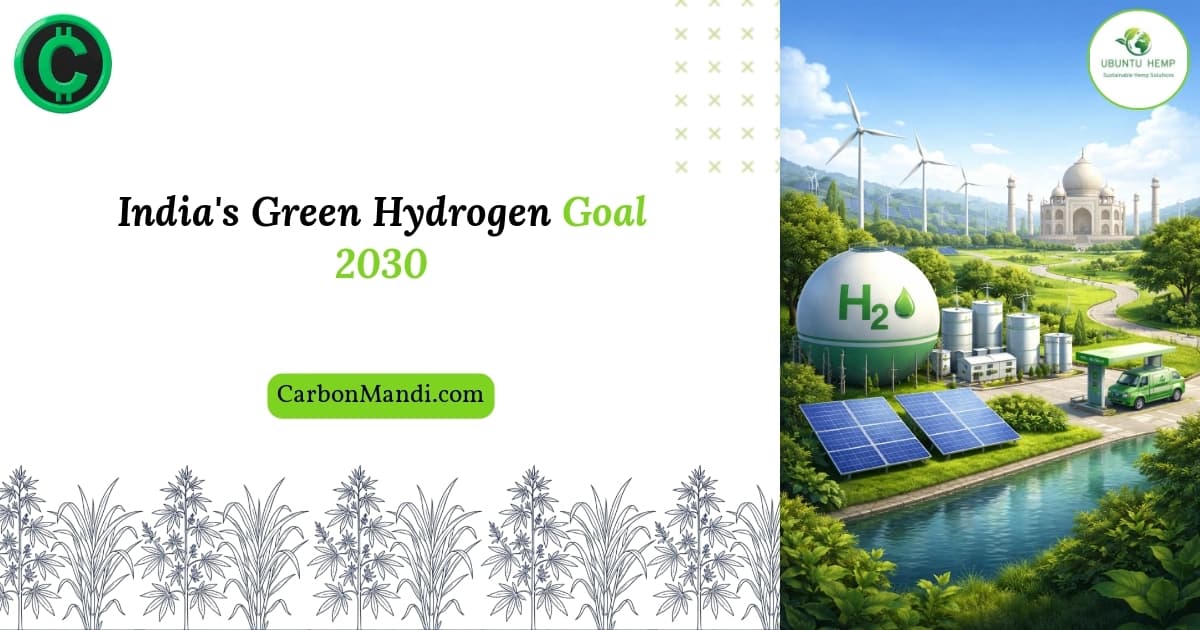
India’s Goal of 5 MMT Green Hydrogen by 2030 is more than just a number; it’s a bold statement about the country’s commitment to clean energy transformation. Imagine a future where hydrogen, produced entirely from renewable sources, powers industries and transportation, cutting down carbon emissions drastically. This vision is driving India’s energy policies and investments today. Green hydrogen is created by splitting water into hydrogen and oxygen using renewable electricity, making it a zero-emission fuel. India’s push towards producing 5 million metric tons (MMT) of green hydrogen by 2030 reflects its ambition to reduce dependence on fossil fuels and lead in sustainable energy innovation. The integration of green hydrogen into the energy mix is not only a technological challenge but also a societal shift towards a more sustainable future.
Why 5 MMT Matters for India
Reaching 5 MMT of green hydrogen production is a game-changer for India’s energy landscape. This volume can significantly reduce the carbon footprint of heavy industries like steel, refining, and chemicals, which are traditionally reliant on coal and natural gas. It also aligns with India’s climate goals under the Paris Agreement. Beyond environmental benefits, this target opens economic opportunities. Developing green hydrogen infrastructure can create jobs, attract investments, and foster technology development. For instance, companies like NTPC and Adani Group are already investing heavily in green hydrogen projects, positioning India as a potential exporter of green hydrogen, tapping into global demand for clean fuels. The economic ripple effect could also stimulate ancillary industries, creating a robust ecosystem around green hydrogen.
Steps India is Taking to Reach the Goal
India’s strategy to hit the 5 MMT green hydrogen mark involves several coordinated efforts. First, the government is rolling out policies that incentivize renewable energy projects, especially solar and wind, which are critical for green hydrogen production. These policies include financial incentives for renewable energy developers and tax breaks for green hydrogen projects. Second, partnerships between public and private sectors are accelerating technology development and scaling up electrolyzer manufacturing. Companies like Siemens and Linde are collaborating with Indian firms to enhance electrolyzer efficiency. Financial support mechanisms and pilot projects are helping to demonstrate feasibility and reduce costs. Third, India is focusing on building supply chains and infrastructure, including storage and transportation networks, to handle green hydrogen efficiently. This includes developing pipelines and storage facilities that can safely transport hydrogen to end-users.
Real-World Progress and Projects
Several projects across India illustrate progress toward the 5 MMT goal. For example, a large solar-powered electrolyzer plant in Rajasthan is set to produce thousands of tons of green hydrogen annually, supplying local industries. Another initiative in Gujarat integrates wind energy with hydrogen production, showcasing how renewable resources can be harnessed effectively. These projects not only contribute to the target but also provide valuable lessons on scaling and integration. Additionally, collaborations with international entities, such as the partnership with the European Union on hydrogen technology, are paving the way for knowledge exchange and best practices.
Questions Around Green Hydrogen’s Future
What challenges could slow India’s green hydrogen ambitions? Cost remains a major factor, as green hydrogen production is currently more expensive than conventional fuels. However, ongoing technological advances and economies of scale are expected to bring prices down. How will India ensure the green credentials of its hydrogen? Certification and transparent tracking systems are being developed to guarantee that hydrogen is produced using renewable energy. What role can individuals and businesses play? Engaging with carbon markets and supporting green hydrogen initiatives can accelerate adoption and impact. Businesses can start by investing in renewable energy sources and exploring partnerships with green hydrogen producers.
Moving Forward with Confidence
India’s Goal of 5 MMT Green Hydrogen by 2030 is ambitious but achievable with continued innovation, investment, and collaboration. For those interested in staying updated or contributing, joining communities like Join our WhatsApp community offers valuable insights and networking. Carbonmandi building this With the advisory of Ubuntuhemp. By actively participating in this green revolution, stakeholders can play a crucial role in shaping a sustainable energy future for India.