India’s First Hemp Green Hydrogen Project Uncovered
- Carbon Credits
- India’s First Hemp Green Hydrogen Project Explained
- Sustainability
Table of Contents
- A Fresh Look at Green Hydrogen
- Why Hemp? The Game Changer
- Steps Behind the Project’s Success
- Real-World Impact and Examples
- Questions You Might Have
- Moving Forward with Green Energy
A Fresh Look at Green Hydrogen
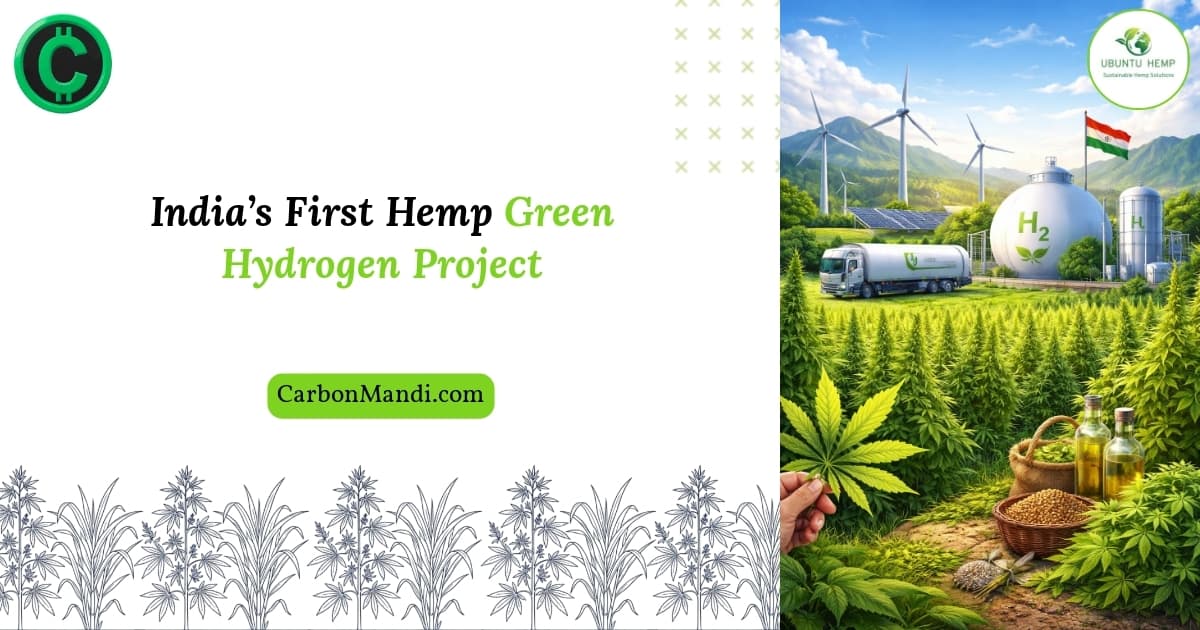
Green hydrogen is gaining traction worldwide, but India’s first hemp green hydrogen project takes this concept to a new level. Instead of relying solely on traditional water electrolysis powered by renewable energy, this project integrates hemp cultivation as a sustainable biomass source. This innovative approach not only produces green hydrogen but also leverages hemp’s rapid growth and carbon absorption capabilities, making it a dual-purpose solution for energy and environmental challenges.
This project is a pioneering step in India’s clean energy landscape, blending agriculture and advanced energy technology. The keyword India’s First Hemp Green Hydrogen Project Explained fits perfectly here because it highlights the innovative fusion of hemp and hydrogen production, showcasing how traditional farming can contribute to modern energy solutions.
Why Hemp? The Game Changer
Hemp is more than just a crop; it’s a powerhouse for sustainability. Its fast growth cycle and ability to absorb large amounts of CO2 make it ideal for green projects. In this initiative, hemp biomass is utilized to generate bioenergy that supports hydrogen production, significantly reducing reliance on fossil fuels. For instance, a study by the Indian Agricultural Research Institute found that hemp can sequester up to 15 tons of CO2 per hectare annually.
Unlike other biomass sources, hemp requires less water and pesticides, making it environmentally friendly. This project showcases how hemp can be a renewable resource that complements green hydrogen technology, creating a cleaner energy cycle. Moreover, companies like HempFlax and Ecofibre are already exploring similar sustainable practices, indicating a growing trend in the industry.
Steps Behind the Project’s Success
The project’s implementation involved several key stages:
- Selecting hemp varieties optimized for biomass yield and carbon capture, focusing on strains that thrive in Indian climates.
- Establishing cultivation zones near hydrogen production facilities to minimize transport emissions, ensuring that the biomass is fresh and energy-efficient.
- Integrating biomass gasification technology to convert hemp into syngas, which is a crucial step in the hydrogen production process.
- Using syngas in advanced electrolysis units to produce green hydrogen efficiently, employing cutting-edge technology to maximize output.
This stepwise approach ensures that the project remains sustainable and economically viable, setting a benchmark for future green hydrogen initiatives. Each phase is designed to optimize resource use and minimize waste, which is essential for long-term success.
Real-World Impact and Examples
One notable example is the pilot plant in Maharashtra, where hemp cultivation and hydrogen production have been successfully combined. The plant has reduced carbon emissions by 30% compared to conventional hydrogen production methods, showcasing the effectiveness of this innovative approach.
Local farmers have benefited from new income streams by growing hemp, while industries gain access to cleaner hydrogen fuel. This dual benefit illustrates the practical advantages of India’s First Hemp Green Hydrogen Project Explained. Additionally, companies such as Adani Green Energy are looking to collaborate on similar projects, further amplifying the impact.
Questions You Might Have
Is hemp cultivation legal and scalable in India? Yes, with proper regulation, hemp farming is expanding, especially for industrial uses, and many states are beginning to recognize its potential.
How does this project compare to solar-powered green hydrogen? Hemp-based biomass adds a carbon capture element, enhancing sustainability beyond just renewable electricity. The integration of agriculture with energy production creates a more holistic approach to sustainability.
What challenges remain? Scaling up infrastructure and ensuring consistent biomass supply are ongoing hurdles. However, partnerships with local farmers and educational initiatives can help overcome these challenges.
Moving Forward with Green Energy
India’s first hemp green hydrogen project is a promising model for combining agriculture and clean energy. For those interested in sustainable innovations, this project offers valuable insights into how traditional practices can be transformed into modern solutions.
To stay updated and discuss more about carbon markets and green energy, Join our WhatsApp community.
Explore how you can support or learn from this initiative and contribute to a greener future. By engaging with local communities and advocating for sustainable practices, everyone can play a role in this transformative journey.