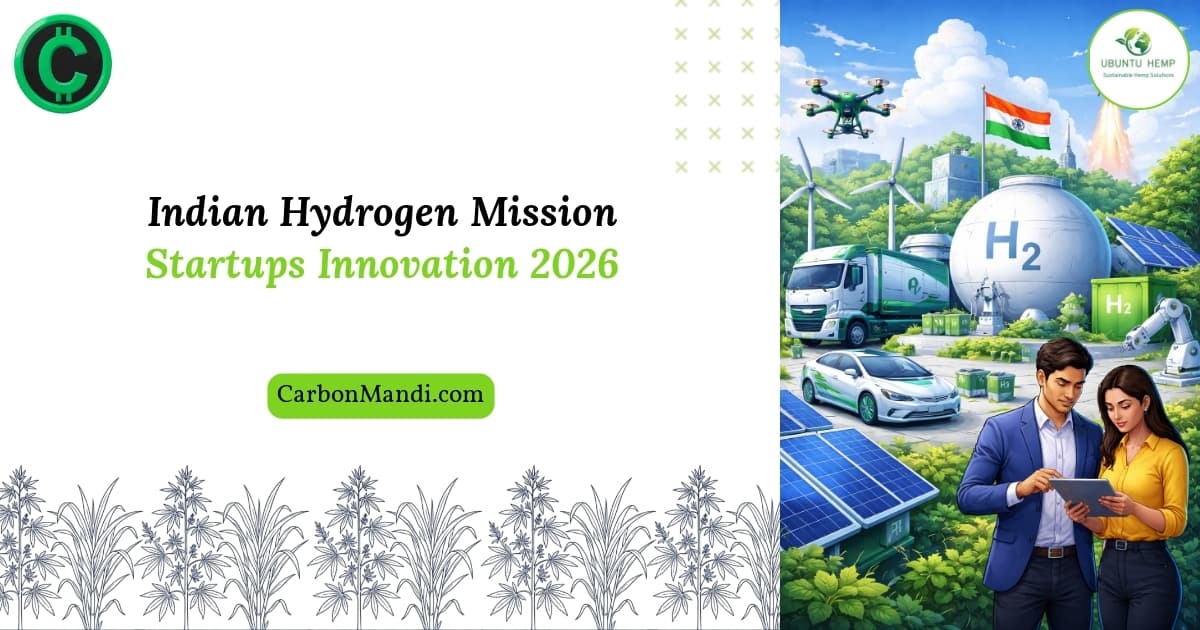
Indian Hydrogen Mission Startups: Your 2026 Roadmap
- Carbon Credits
- Indian Hydrogen Mission Startups: Complete Guide for India 2026
- Sustainability
Table of Contents
- A Fresh Look at India’s Hydrogen Startup Scene
- Why Hydrogen Startups Matter Now
- How These Startups Are Making It Happen
- Success Stories Lighting the Way
- Questions You Might Have
- Taking Your Next Step
A Fresh Look at India’s Hydrogen Startup Scene
If you’ve been following India’s energy transition, you know hydrogen is becoming a game changer. But what about the startups driving this change? Indian Hydrogen Mission startups are not just ideas on paper; they’re active players in 2026, pushing boundaries in clean fuel innovation. These startups are tapping into hydrogen’s potential to reduce carbon footprints and create sustainable energy solutions tailored for India’s unique needs.
The Indian Hydrogen Mission has set ambitious targets, and startups are stepping up with fresh technologies and business models. From green hydrogen production to fuel cell development, these companies are carving out a niche that could redefine India’s energy landscape. For instance, companies like H2e Power are developing innovative electrolyzers that promise to enhance hydrogen production efficiency significantly.
Why Hydrogen Startups Matter Now
Hydrogen is often called the fuel of the future, but the future is now. Indian Hydrogen Mission startups are crucial because they bring agility and innovation to a sector traditionally dominated by large players. Their work accelerates India’s goal to become a global leader in clean energy by 2030.
These startups contribute by:
- Developing cost-effective green hydrogen production methods, such as Greenko’s solar-powered hydrogen plants.
- Creating scalable storage and transportation solutions, exemplified by Log9 Materials with their hydrogen storage technologies.
- Innovating in hydrogen-powered mobility and industrial applications, like Tata Motors' hydrogen fuel cell vehicles.
Their impact goes beyond technology; they generate jobs, attract investment, and foster an ecosystem that supports sustainable growth. The ripple effect of their innovations can lead to a significant reduction in greenhouse gas emissions across various sectors.
How These Startups Are Making It Happen
The journey from concept to commercial success involves several strategic steps. Indian Hydrogen Mission startups typically follow a process that includes:
- Research and Development: Focusing on improving electrolysis efficiency and reducing costs, with startups like AquaHydrex leading the charge.
- Pilot Projects: Testing hydrogen applications in real-world settings like transport or power generation, as seen with ReNew Power’s pilot hydrogen projects.
- Partnerships: Collaborating with government bodies, research institutes, and industry leaders to scale solutions, such as alliances formed by Adani Group with various tech firms.
- Market Entry: Launching products or services that meet India’s energy demands while aligning with environmental goals, like Bharat Petroleum’s foray into hydrogen production.
This approach helps startups navigate challenges such as infrastructure gaps and regulatory hurdles while positioning themselves for long-term success.
Success Stories Lighting the Way
Consider a startup in Pune that developed a modular green hydrogen generator tailored for rural industries. By enabling localized hydrogen production, they reduced reliance on fossil fuels and cut operational costs by 30%. Another example is a Bengaluru-based company pioneering hydrogen fuel cells for commercial vehicles, helping fleet operators lower emissions and fuel expenses.
These stories highlight how Indian Hydrogen Mission startups are not only innovating but also delivering tangible benefits to businesses and communities. For instance, Hydrogen Fuel Cell India has successfully deployed fuel cells in public transport, showcasing a practical application of their technology.
Questions You Might Have
What kind of support do these startups receive? The Indian government offers incentives, funding, and policy frameworks to nurture hydrogen innovation. How scalable are these technologies? Many startups design solutions with scalability in mind, aiming to expand from pilot phases to nationwide deployment.
Is hydrogen safe? Yes, with proper handling and technology, hydrogen can be safely integrated into energy systems. What challenges remain? Infrastructure development and cost reduction are ongoing hurdles, but startups are actively addressing them.
Taking Your Next Step
If you’re interested in the Indian Hydrogen Mission startups or want to stay updated on clean energy trends, consider joining communities focused on this space. Engaging with experts and peers can provide valuable insights and opportunities.
Explore partnerships, attend webinars, or follow industry news to deepen your understanding. For ongoing discussions and updates, Join our WhatsApp community.
Carbonmandi building this With the advisory of Ubuntuhemp