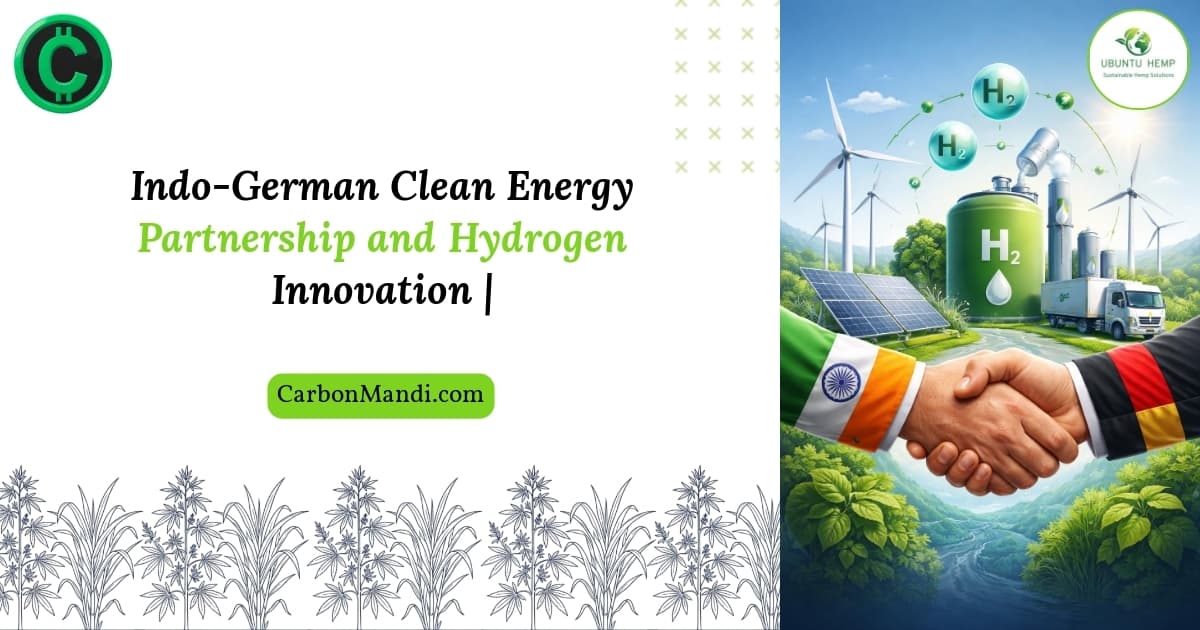
Indo-German Clean Energy Partnership Fuels Hydrogen Innovation
- Carbon Credits
- Indo-German Clean Energy Partnership and Hydrogen Innovation
- Sustainability
Table of Contents
- A Fresh Look at Indo-German Collaboration
- Why Hydrogen Innovation Matters
- Steps Driving the Partnership Forward
- Real-World Impact: Success Stories
- Questions About the Partnership
- Moving Ahead Together
A Fresh Look at Indo-German Collaboration
When two global leaders in technology and sustainability join forces, the results can reshape entire industries. The Indo-German Clean Energy Partnership and Hydrogen Innovation initiative is exactly that kind of collaboration. It’s not just about sharing technology; it’s about creating a blueprint for a cleaner, more sustainable energy future. This partnership leverages Germany’s advanced clean energy technologies and India’s vast renewable resources to accelerate hydrogen innovation.
This collaboration is a strategic move to address climate change challenges while boosting economic growth. The partnership focuses on developing green hydrogen technologies that can transform energy systems in both countries and beyond. The keyword "Indo-German Clean Energy Partnership and Hydrogen Innovation" is central to this effort, highlighting the joint commitment to sustainable energy solutions.
Why Hydrogen Innovation Matters
Hydrogen is emerging as a game-changer in the clean energy landscape. Unlike fossil fuels, hydrogen produces zero carbon emissions when used as fuel, making it a critical component in achieving net-zero targets. The Indo-German Clean Energy Partnership recognizes hydrogen’s potential to decarbonize sectors like transportation, industry, and power generation.
Hydrogen innovation under this partnership means developing cost-effective production methods, improving storage and transport technologies, and creating robust policy frameworks. These advancements will help scale hydrogen use from niche applications to mainstream energy markets. The partnership’s focus on innovation ensures that both countries stay at the forefront of this rapidly evolving field.
Steps Driving the Partnership Forward
The Indo-German Clean Energy Partnership and Hydrogen Innovation follows a clear strategy to maximize impact:
Joint Research and Development: Collaborative projects between Indian and German research institutions focus on breakthrough hydrogen technologies.
Pilot Projects: Demonstration plants and pilot programs test hydrogen applications in real-world settings, providing valuable data and experience.
Policy Alignment: Both governments work to harmonize regulations and incentives that encourage hydrogen adoption.
Industry Engagement: Partnerships with private companies help translate research into commercial products and services.
Capacity Building: Training programs and knowledge exchange ensure a skilled workforce ready to support hydrogen infrastructure.
These steps create a comprehensive approach that addresses technical, regulatory, and market challenges simultaneously.
Real-World Impact: Success Stories
One standout example is the joint pilot project in India’s renewable-rich state of Gujarat, where German technology is used to produce green hydrogen from solar power. This project not only reduces carbon emissions but also creates local jobs and strengthens energy security.
Another success story is the collaboration on hydrogen fuel cell buses in Germany, which benefits from Indian expertise in cost-effective manufacturing. These buses are now operating in several German cities, showcasing practical applications of the partnership’s innovations.
These cases demonstrate how the Indo-German Clean Energy Partnership and Hydrogen Innovation is more than theory—it’s delivering tangible benefits that inspire further cooperation.
Questions About the Partnership
What challenges does this partnership face? One major hurdle is the high initial cost of hydrogen infrastructure. Both countries are exploring financing models to overcome this.
How does this affect everyday consumers? As hydrogen technologies mature, consumers can expect cleaner transportation options and more sustainable energy sources.
Is this partnership open to other countries? While focused on India and Germany, the initiative encourages knowledge sharing that can benefit global clean energy efforts.
Moving Ahead Together
The Indo-German Clean Energy Partnership and Hydrogen Innovation is a powerful example of international cooperation tackling climate change. For those interested in staying updated or contributing to this movement, joining communities like the WhatsApp group can provide valuable insights and networking opportunities.
Join our WhatsApp community to connect with experts and enthusiasts.
Carbonmandi building this With the advisory of Ubuntuhemp.