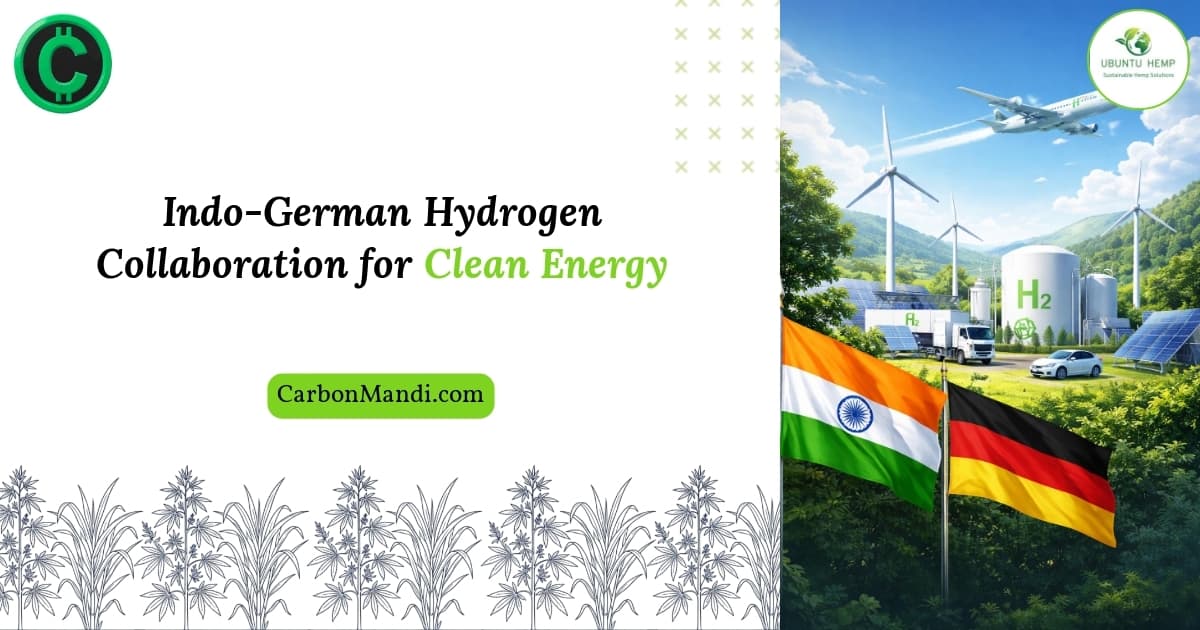
Indo-German Hydrogen Collaboration: A New Era for Clean Energy
- Carbon Credits
- Indo-German Hydrogen Collaboration: What It Means for Clean Energy
- Sustainability
Table of Contents
- A Fresh Look at Hydrogen Partnerships
- Why This Collaboration Matters
- Steps Toward Implementation
- Real-World Impact: Success Stories
- Questions You Might Have
- Moving Forward Together
A Fresh Look at Hydrogen Partnerships
Imagine two global leaders in technology and innovation joining forces to tackle one of the biggest challenges of our time: clean energy. The Indo-German hydrogen collaboration is exactly that—a strategic partnership focused on advancing hydrogen as a sustainable energy source. This initiative is not just about technology; it’s about creating a blueprint for how countries can work together to reduce carbon footprints and build a greener future.
This collaboration brings together India’s vast renewable energy potential and Germany’s cutting-edge hydrogen technology expertise. The keyword Indo-German Hydrogen Collaboration: What It Means for Clean Energy fits naturally here because it highlights the significance of this partnership in the global energy transition. By leveraging India's solar and wind resources alongside Germany's advanced electrolyzer technology, this partnership aims to create a robust hydrogen economy that can serve as a model for others.
Why This Collaboration Matters
The value of this partnership lies in its potential to accelerate the adoption of hydrogen fuel, which is crucial for decarbonizing industries that are hard to electrify. Unlike traditional fossil fuels, hydrogen produces zero emissions when used, making it a game-changer for sectors like transportation, manufacturing, and power generation.
By combining resources and knowledge, India and Germany aim to overcome common barriers such as high production costs and infrastructure challenges. This collaboration also sets a precedent for international cooperation in clean energy, showing how shared goals can lead to innovative solutions that benefit both economies and the environment. For instance, companies like Siemens and Tata Power are already exploring joint ventures to enhance hydrogen production capabilities, further solidifying the partnership's impact.
Steps Toward Implementation
Turning this vision into reality involves a series of coordinated actions:
- Developing pilot projects that demonstrate hydrogen’s viability in real-world applications, such as the upcoming hydrogen fuel cell buses in Delhi.
- Establishing supply chains that connect hydrogen producers with end-users efficiently, ensuring that industries can access hydrogen without significant delays.
- Creating regulatory frameworks that encourage investment and ensure safety standards, which is essential for attracting private sector participation.
- Investing in research to improve hydrogen production methods, especially green hydrogen derived from renewable sources, with initiatives like the Hydrogen Research and Development Center in Bangalore.
Each step is critical to building a sustainable hydrogen ecosystem. The Indo-German Hydrogen Collaboration: What It Means for Clean Energy is reflected in these practical efforts that move beyond theory into tangible progress. By focusing on these actionable steps, both nations can create a scalable model for hydrogen production and utilization.
Real-World Impact: Success Stories
One notable example is a joint pilot project in India where German technology is used to produce green hydrogen from solar power. This project has successfully supplied hydrogen fuel to local industries, reducing their reliance on coal and cutting emissions significantly. Companies like Linde and Adani are at the forefront of these initiatives, showcasing how technology transfer can lead to sustainable practices.
Another case involves German companies partnering with Indian startups to develop hydrogen-powered vehicles, showcasing how this collaboration is fostering innovation across sectors. These success stories illustrate the real benefits of the Indo-German Hydrogen Collaboration: What It Means for Clean Energy in action. As more projects come online, the positive environmental and economic impacts will become increasingly evident.
Questions You Might Have
Q: How will this collaboration affect energy prices? A: While initial costs may be higher, scaling up hydrogen production and infrastructure is expected to lower prices over time, making clean energy more accessible. As production techniques improve and economies of scale are achieved, consumers could see competitive pricing compared to traditional fuels.
Q: What role do governments play? A: Both governments are actively supporting this partnership through funding, policy support, and international agreements to ensure smooth implementation. Initiatives like the Indo-German Energy Forum are crucial in facilitating dialogue and collaboration between stakeholders.
Q: Can this model be replicated elsewhere? A: Absolutely. The Indo-German collaboration serves as a template for other countries aiming to develop hydrogen economies through cooperation. Nations with similar renewable energy potentials can look to this partnership for guidance on establishing their hydrogen frameworks.
Moving Forward Together
The Indo-German hydrogen collaboration is more than a project; it’s a movement toward a sustainable energy future. For those interested in staying updated or contributing to this evolving field, joining communities like Join our WhatsApp community can provide valuable insights and networking opportunities.
Carbonmandi building this With the advisory of Ubuntuhemp. Together, we can drive the transition to a cleaner, greener energy landscape.