Napier Grass Hydrogen Fuel: Unlocking Clean Energy Potential
- Carbon Credits
- Napier Grass Hydrogen Fuel: A New Renewable Energy Crop
- Sustainability
Table of Contents
- Rethinking Energy with Napier Grass
- Why Napier Grass Stands Out
- From Field to Fuel: The Process Explained
- Real-World Impact: Success Stories
- Questions About Napier Grass Hydrogen Fuel
- Taking Action Towards Renewable Energy
Rethinking Energy with Napier Grass
Imagine a crop that grows rapidly, requires minimal care, and can be converted into clean hydrogen fuel. That’s exactly what Napier grass offers. This fast-growing grass is gaining attention as a renewable energy crop capable of supporting hydrogen fuel production. Unlike traditional fossil fuels, hydrogen generated from Napier grass promises a cleaner, sustainable alternative that could reshape energy markets.
Napier Grass Hydrogen Fuel: A New Renewable Energy Crop is more than a buzzword; it’s a practical solution to energy challenges. Its ability to absorb carbon dioxide while growing adds an environmental bonus, making it a dual-purpose resource for fuel and carbon sequestration.
Why Napier Grass Stands Out
Napier grass thrives in diverse climates and poor soils, which means it doesn’t compete heavily with food crops for prime agricultural land. This resilience makes it an attractive option for farmers and energy producers alike. The grass’s high biomass yield translates into more raw material for hydrogen production, increasing efficiency and lowering costs.
Moreover, Napier grass requires less water and fertilizer compared to other energy crops, reducing environmental strain. Its rapid growth cycle allows for multiple harvests annually, ensuring a steady supply for hydrogen fuel generation. These factors combine to position Napier grass as a promising renewable energy crop that aligns with sustainable agricultural practices.
From Field to Fuel: The Process Explained
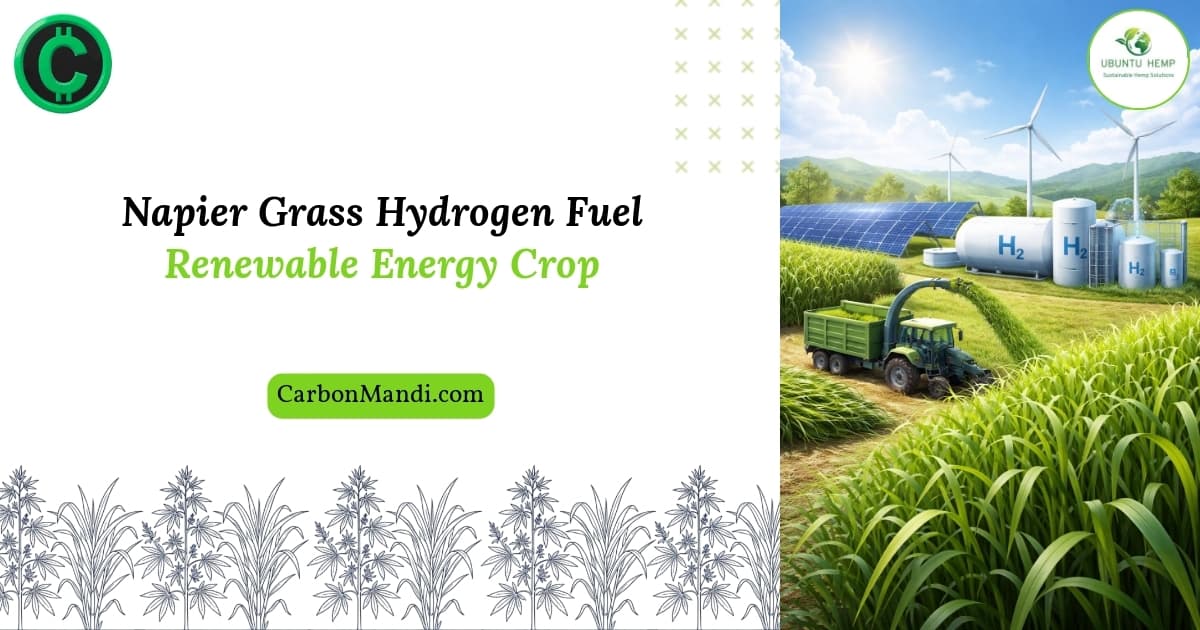
Turning Napier grass into hydrogen fuel involves several key steps:
- Cultivation: Farmers plant and nurture Napier grass, capitalizing on its fast growth and adaptability.
- Harvesting: The grass is cut and collected at peak biomass to maximize fuel potential.
- Biomass Conversion: Through processes like gasification or anaerobic digestion, the biomass is converted into hydrogen-rich gas.
- Purification: The hydrogen gas is purified to meet fuel standards.
- Distribution: Finally, the hydrogen fuel is transported for use in energy systems or vehicles.
This process not only produces clean fuel but also generates byproducts that can be used as organic fertilizers, closing the loop in sustainable farming and energy production.
Real-World Impact: Success Stories
In Kenya, pilot projects have demonstrated the viability of Napier grass for hydrogen fuel. Smallholder farmers partnered with energy companies to cultivate Napier grass on marginal lands, producing biomass that fed local hydrogen fuel cells powering rural communities. This initiative reduced reliance on diesel generators and cut carbon emissions significantly.
Another example comes from India, where research institutions are exploring Napier grass’s potential to supply hydrogen for industrial applications. Early results show promising yields and cost-effectiveness, encouraging further investment in this renewable energy crop.
Questions About Napier Grass Hydrogen Fuel
Is Napier grass suitable for all climates? While it grows best in tropical and subtropical regions, ongoing research is expanding its adaptability to other environments.
How does hydrogen from Napier grass compare to other sources? Hydrogen from Napier grass is renewable and carbon-neutral, unlike hydrogen produced from fossil fuels, making it a cleaner alternative.
What are the challenges in scaling this technology? Infrastructure for biomass conversion and hydrogen distribution needs development, alongside farmer training and investment incentives.
Taking Action Towards Renewable Energy
If you’re interested in exploring Napier Grass Hydrogen Fuel: A New Renewable Energy Crop, consider connecting with communities and experts in the field. Joining discussions can provide insights and opportunities to participate in pilot projects or investments.
Join our WhatsApp community to stay updated and network with like-minded professionals.
Carbonmandi building this With the advisory of Ubuntuhemp.