Napier Grass: Unlocking Energy Crop Potential
- Carbon Credits
- Napier Grass as a High-Yield Energy Crop
- Sustainability
Table of Contents
- A Fresh Look at Napier Grass
- Why Choose Napier Grass for Energy?
- Growing and Harvesting Strategies
- Real-World Success Stories
- Questions About Napier Grass?
- Taking the Next Step
A Fresh Look at Napier Grass
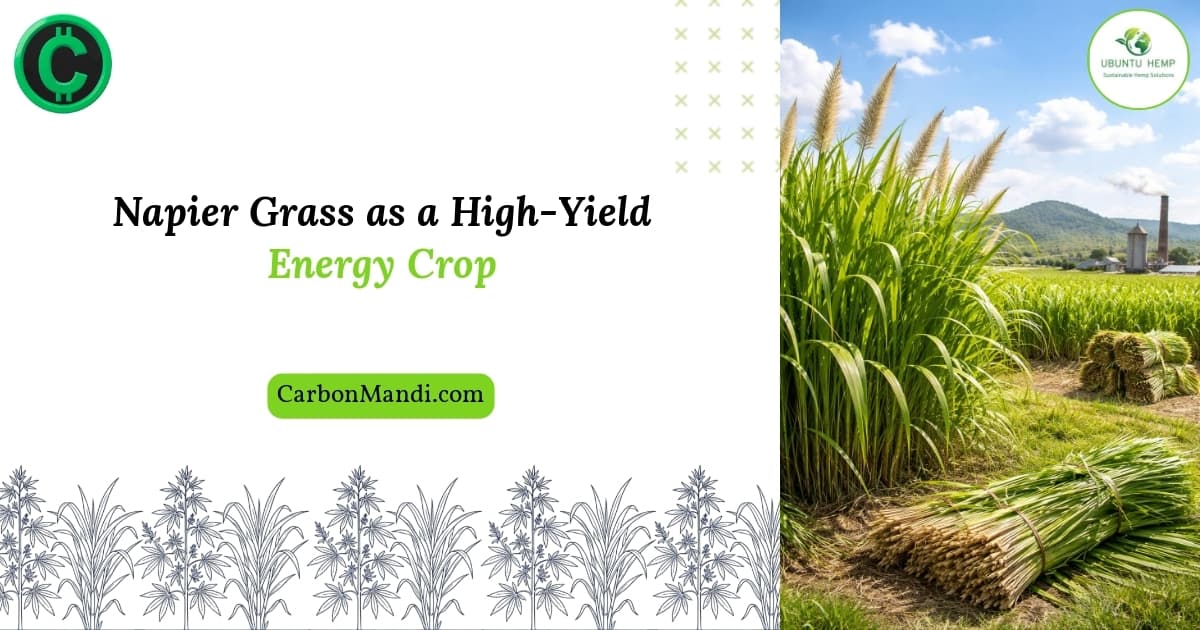
Napier Grass as a High-Yield Energy Crop is gaining significant attention for its remarkable ability to produce biomass rapidly and sustainably. Imagine a crop that grows several meters tall within just a few months, providing a dense source of energy-rich material. This grass, originally cultivated for fodder, has found a new role in renewable energy sectors due to its fast growth and high yield. Its adaptability to various climates and soils makes it a versatile choice for farmers and energy producers alike. The natural vigor of Napier Grass means it can be harvested multiple times a year, ensuring a steady supply of biomass for bioenergy production. Additionally, with the right management practices, farmers can optimize their yields and contribute to a more sustainable energy future.
Why Choose Napier Grass for Energy?
Napier Grass stands out because of its impressive biomass output compared to other energy crops. It can yield up to 40-60 tons of dry matter per hectare annually under optimal conditions. This high productivity translates into more efficient bioenergy generation, reducing the land footprint needed for energy crops. For instance, farmers using Napier Grass can produce more energy from less land, which is crucial in today's world where arable land is increasingly scarce. Additionally, Napier Grass has a deep root system that helps improve soil structure and prevent erosion. Its ability to sequester carbon in the soil contributes positively to carbon offset projects, making it an attractive option for carbon credit markets. This dual benefit of energy production and environmental sustainability makes Napier Grass a compelling choice for modern agriculture.
Growing and Harvesting Strategies
Successful cultivation of Napier Grass involves selecting the right variety suited to local conditions and ensuring proper soil preparation. Farmers typically plant Napier Grass using stem cuttings or slips, which root quickly and establish dense stands. For example, the variety 'Giant Napier' is known for its exceptional growth rate and biomass yield, making it a popular choice among farmers. Harvesting is usually done every 6-8 weeks, depending on growth rates and climate. This frequent cutting encourages vigorous regrowth, maximizing biomass yield throughout the year. Proper nutrient management, including balanced fertilization with products like NPK fertilizers, supports sustained productivity. Implementing crop rotation and intercropping with legumes can also enhance soil fertility and overall yield.
Real-World Success Stories
In Kenya, several smallholder farmers have integrated Napier Grass into their energy crop portfolios, achieving significant biomass yields that support local biogas plants. One cooperative reported a 30% increase in energy feedstock availability within just two years of adopting Napier Grass cultivation. This not only boosted their energy production but also improved their income stability. Similarly, in parts of India, Napier Grass has been used to supply biomass for power generation, reducing reliance on fossil fuels and lowering greenhouse gas emissions. These examples highlight the crop's potential to contribute to sustainable energy goals. In addition, organizations like the International Livestock Research Institute (ILRI) are actively promoting Napier Grass as a sustainable energy solution, further validating its effectiveness.
Questions About Napier Grass?
Is Napier Grass suitable for all climates? While it thrives in tropical and subtropical regions, it may not perform well in colder climates. Selecting the right variety and managing planting times can mitigate some climate challenges. How does it compare to other energy crops? Napier Grass generally offers higher yields and faster growth than many traditional energy crops like switchgrass or miscanthus, making it a competitive option. What about water requirements? It is relatively drought-tolerant once established but performs best with adequate moisture. Efficient irrigation practices, such as drip irrigation, can optimize growth without excessive water use.
Taking the Next Step
If you're considering Napier Grass as a high-yield energy crop, start by assessing your local conditions and market demand for biomass. Connect with agricultural experts and explore pilot projects to understand the crop's performance firsthand. Engage with communities focused on sustainable energy and carbon markets to share insights and experiences. For ongoing support and updates, Join our WhatsApp community. Carbonmandi is building this initiative with the advisory of Ubuntuhemp, ensuring that farmers are equipped with the knowledge and resources they need to succeed in this promising venture.