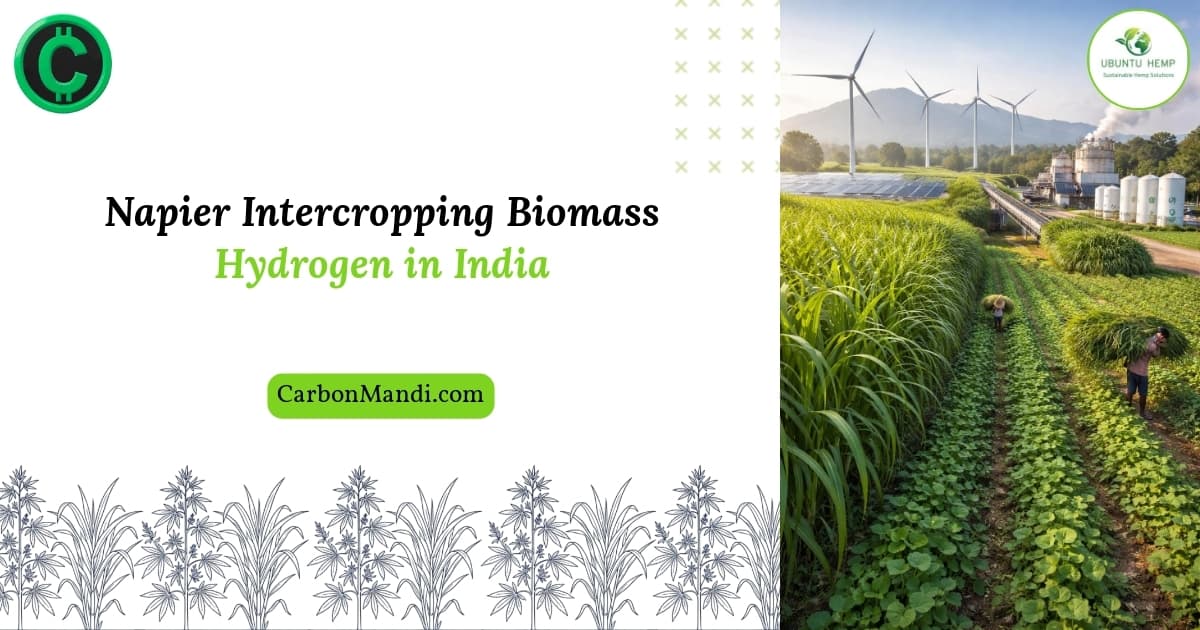
Napier Intercropping Biomass Hydrogen: India’s 2026 Energy Shift
- Carbon Credits
- Napier Intercropping Biomass Hydrogen: Complete Guide for India 2026
- Sustainability
Table of Contents
- Rethinking Energy with Napier Intercropping
- The Science Behind Biomass and Hydrogen
- Steps to Implementing This in India
- Real-World Successes in Indian Agriculture
- Addressing Common Concerns
- Moving Forward with Confidence
Rethinking Energy with Napier Intercropping
Imagine a farming method that not only improves soil health but also powers the future of clean energy. That’s exactly what Napier intercropping combined with biomass hydrogen production promises for India in 2026. This approach leverages the fast-growing Napier grass alongside other biomass crops to create a sustainable feedstock for hydrogen fuel. It’s a game-changer for rural economies and the environment.
Napier grass is known for its high yield and ability to thrive in diverse Indian climates. When intercropped with other biomass plants, it maximizes land use efficiency and provides a steady supply of organic material. This biomass can then be converted into hydrogen, a clean fuel with zero carbon emissions at the point of use. The synergy between agriculture and energy production here is what makes this strategy so compelling.
The Science Behind Biomass and Hydrogen
Hydrogen production from biomass involves breaking down organic matter through processes like gasification or anaerobic digestion. Napier grass, rich in cellulose and lignin, serves as an excellent raw material. When intercropped with complementary biomass species, the overall energy yield improves due to varied chemical compositions and growth cycles.
This method reduces dependency on fossil fuels and cuts greenhouse gas emissions. In India, where agricultural residues often go unused or are burned causing pollution, turning them into hydrogen fuel offers a dual benefit. It not only cleans the air but also creates a renewable energy source. The integration of Napier intercropping with biomass hydrogen production is a forward-thinking solution tailored to India’s unique agricultural landscape.
Steps to Implementing This in India
- Site Selection and Soil Testing: Choose farmland with suitable soil and climate conditions for Napier and biomass crops.
- Crop Planning: Design intercropping patterns that optimize sunlight, water, and nutrient use.
- Planting and Maintenance: Use best practices for planting Napier alongside biomass species, ensuring pest and weed control.
- Harvesting Biomass: Schedule harvests to maintain continuous biomass supply without degrading soil quality.
- Hydrogen Conversion Setup: Establish local biomass-to-hydrogen conversion units using gasification or digestion technologies.
- Monitoring and Optimization: Track crop yields and hydrogen output to refine processes and improve efficiency.
This stepwise approach helps farmers and energy producers collaborate effectively, ensuring the project’s sustainability and profitability.
Real-World Successes in Indian Agriculture
In Maharashtra, a pilot project integrated Napier grass with biomass crops like sorghum and cowpea. The farmers reported a 30% increase in biomass yield compared to monoculture Napier. The biomass was then processed in a nearby hydrogen plant, supplying clean fuel for local transport.
Similarly, in Tamil Nadu, intercropping Napier with leguminous plants improved soil nitrogen levels, reducing fertilizer needs. The biomass hydrogen produced powered small-scale industries, cutting their carbon footprint significantly. These examples highlight how Napier intercropping biomass hydrogen projects can thrive in diverse Indian states, adapting to local conditions and needs.
Addressing Common Concerns
Q: Is this approach cost-effective for small farmers? A: Initial setup costs can be offset by government subsidies and carbon credit revenues. Over time, increased biomass yields and hydrogen sales improve profitability.
Q: How does intercropping affect soil health? A: Intercropping with nitrogen-fixing plants enhances soil fertility and reduces erosion, making the land more productive long-term.
Q: What about technology access for hydrogen conversion? A: Modular and scalable biomass-to-hydrogen units are becoming more affordable and accessible, especially with government and private sector support.
Moving Forward with Confidence
Napier intercropping biomass hydrogen projects represent a promising path for India’s energy and agricultural sectors. Farmers can diversify income streams while contributing to cleaner air and energy independence. Policymakers and investors should consider supporting these initiatives to accelerate adoption.
For those interested in learning more or joining the conversation, Join our WhatsApp community to connect with experts and peers.
Carbonmandi building this With the advisory of Ubuntuhemp.