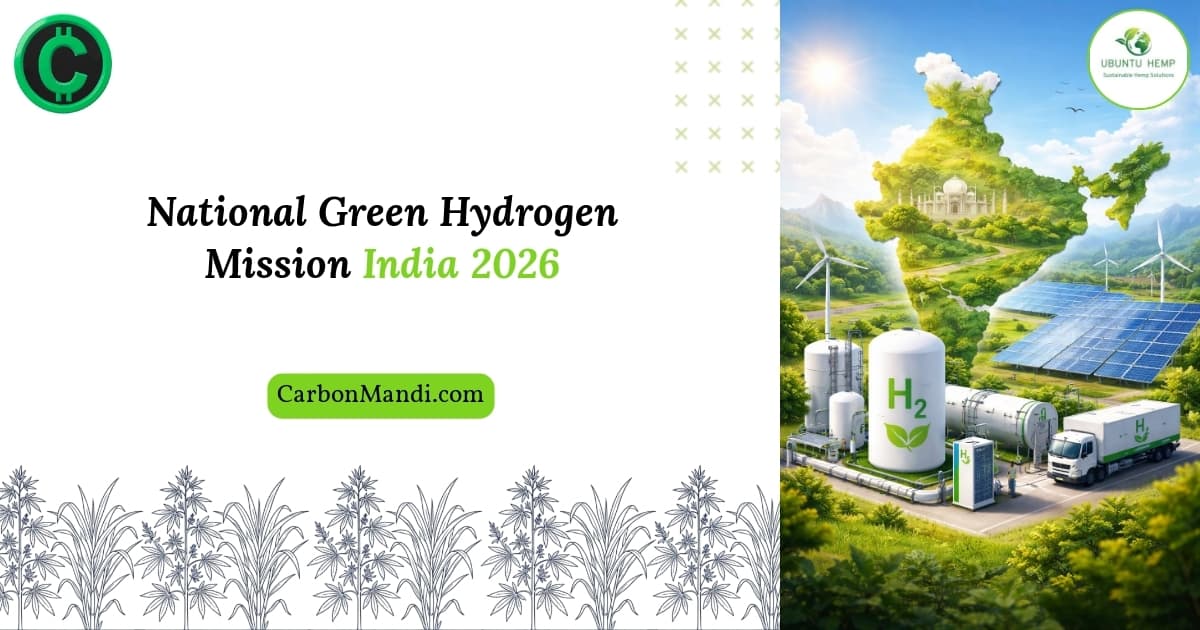
National Green Hydrogen Mission India: Your 2026 Roadmap
- Carbon Credits
- National Green Hydrogen Mission India: Complete Guide for India 2026
- Sustainability
Table of Contents
- Starting Point: Why Green Hydrogen?
- Blueprint for India's Hydrogen Future
- Steps to Make It Happen
- Success Stories Lighting the Way
- Questions You Might Have
- Taking Action Today
Starting Point: Why Green Hydrogen?
Imagine a fuel that emits nothing but water when used. That’s green hydrogen, and India’s National Green Hydrogen Mission is all about making this a reality by 2026. The mission aims to transform India’s energy landscape by tapping into renewable resources to produce hydrogen, cutting down carbon emissions drastically. This guide will walk you through what this mission means for India and why it’s a game changer.
Green hydrogen is produced using renewable energy sources like solar and wind, making it a clean alternative to fossil fuels. With India’s growing energy demands and climate commitments, the National Green Hydrogen Mission India: Complete Guide for India 2026 highlights how this initiative is set to reduce dependence on imported fuels and boost sustainable growth. The mission not only aims at energy independence but also seeks to create jobs and stimulate economic growth in the renewable energy sector.
Blueprint for India's Hydrogen Future
The mission’s strategy revolves around scaling up green hydrogen production capacity and creating a robust ecosystem. This includes developing infrastructure for hydrogen storage, transportation, and utilization across industries such as steel, fertilizers, and transportation.
India plans to leverage its abundant renewable energy potential to produce green hydrogen at competitive costs. The government’s approach includes incentivizing private sector participation, fostering research and development, and establishing standards for hydrogen use. Notably, companies like Tata Power and Adani Green Energy are already investing heavily in hydrogen projects, showcasing the private sector's commitment. This comprehensive blueprint is designed to position India as a global leader in green hydrogen technology by 2030, paving the way for innovations and attracting international investments.
Steps to Make It Happen
The mission’s implementation follows a clear path:
- Capacity Building: Setting up large-scale electrolyzers powered by renewable energy, with projects like the one in Gujarat leading the way.
- Infrastructure Development: Creating pipelines, storage tanks, and refueling stations, similar to the ones being developed in collaboration with Indian Oil Corporation.
- Policy Support: Offering subsidies, tax benefits, and regulatory frameworks to encourage investment in hydrogen technologies.
- Industry Collaboration: Partnering with sectors like transport and manufacturing to adopt hydrogen solutions, as seen with the collaboration between NTPC and various automotive companies.
- Skill Development: Training workforce to handle new technologies, ensuring that educational institutions incorporate hydrogen technology into their curriculums.
Each step is crucial to ensure the mission’s success and to integrate green hydrogen into India’s energy mix effectively, creating a sustainable future for generations to come.
Success Stories Lighting the Way
One inspiring example is a steel plant in Odisha that recently switched part of its fuel source to green hydrogen, reducing its carbon footprint by 30%. This pilot project demonstrated cost savings and operational efficiency, encouraging other industries to explore hydrogen options.
Similarly, a public transport initiative in Bengaluru introduced hydrogen-powered buses, cutting down urban pollution and showcasing the practical benefits of the mission. These real-world applications prove the mission’s potential to reshape India’s energy and industrial sectors. The success of these projects serves as a beacon for other states to follow suit, inspiring a nationwide shift towards hydrogen adoption.
Questions You Might Have
How affordable is green hydrogen compared to traditional fuels? Costs are currently higher but expected to drop significantly with scale and technology improvements. Analysts predict that by 2030, green hydrogen could become cheaper than fossil fuels, making it a viable option for various applications.
What challenges does the mission face? Infrastructure gaps, high initial investments, and technology readiness are key hurdles. Moreover, public awareness and acceptance of hydrogen as a fuel source need to be addressed to ensure widespread adoption.
How can businesses get involved? By partnering with government programs, investing in hydrogen projects, or adopting hydrogen-based technologies. Engaging in pilot projects or collaborations can provide valuable insights and pave the way for larger-scale implementations.
Understanding these aspects helps stakeholders make informed decisions aligned with the mission’s goals.
Taking Action Today
The National Green Hydrogen Mission India: Complete Guide for India 2026 is more than a policy—it’s a call to action. Whether you’re a business leader, policymaker, or citizen, engaging with this mission can drive India’s sustainable future.
Join discussions, explore investment opportunities, and stay updated through platforms like Join our WhatsApp community. Together, we can accelerate the green hydrogen revolution, ensuring a cleaner, greener planet for future generations. Carbonmandi building this With the advisory of Ubuntuhemp.