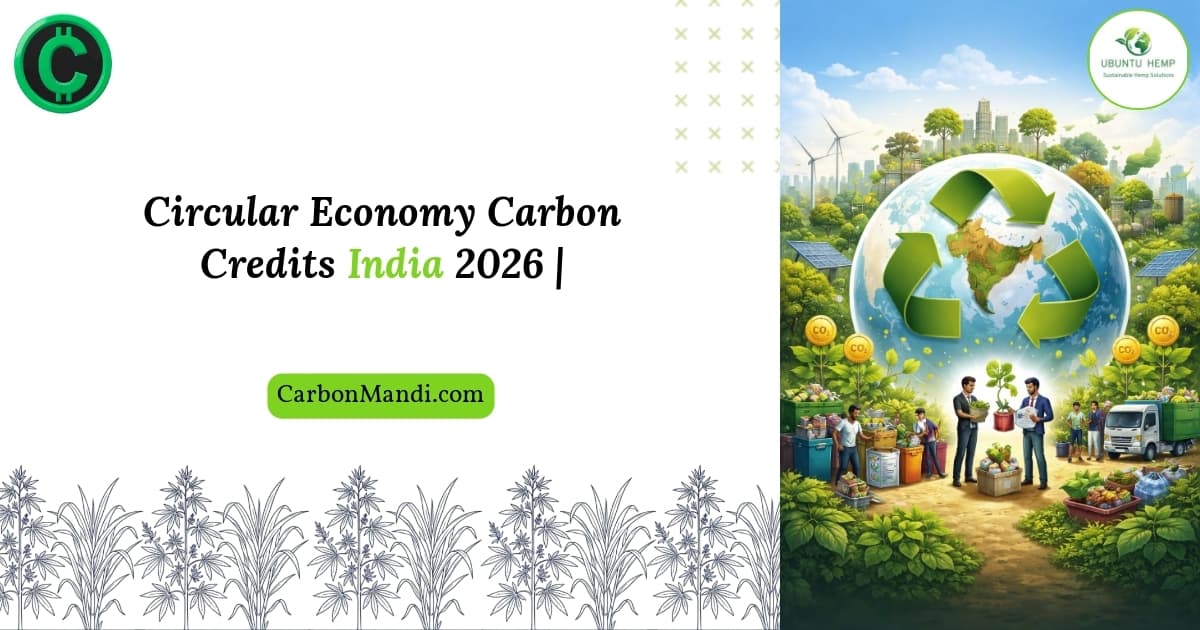
Navigating Circular Economy Carbon Credits in India 2026
- Carbon Credits
- Circular Economy Carbon Credits India: Complete Guide for India 2026
- Sustainability
Table of Contents
- Starting with Circular Economy Carbon Credits
- Why Circular Economy Matters for Carbon Credits
- Steps to Engage with Carbon Credits in India
- Real-World Success Stories from India
- Common Questions About Carbon Credits
- Taking Action: Your Next Moves
Starting with Circular Economy Carbon Credits
Carbon credits often sound complicated, but when you look at them through the lens of a circular economy, the picture becomes clearer. Circular economy carbon credits in India represent a shift from linear resource use to a system where waste is minimized and resources are continuously reused. This approach not only reduces emissions but also creates economic opportunities for businesses and communities, fostering a more sustainable future.
In 2026, India is rapidly adopting these credits as part of its climate strategy. Understanding how circular economy principles integrate with carbon credits can help companies and individuals make smarter, more impactful decisions. The keyword Circular Economy Carbon Credits India: Complete Guide for India 2026 fits naturally here because this guide aims to clarify the process and benefits, making it easier for stakeholders to engage effectively.
Why Circular Economy Matters for Carbon Credits
The circular economy focuses on designing out waste and pollution, keeping products and materials in use, and regenerating natural systems. When carbon credits are tied to circular economy projects, they reflect real, measurable reductions in greenhouse gases through sustainable practices. For instance, initiatives that promote recycling or upcycling can generate significant carbon credits while also creating jobs.
India’s unique challenges, such as resource scarcity and pollution, make circular economy carbon credits especially valuable. They encourage industries to innovate in waste management, renewable energy, and sustainable agriculture. This creates a win-win: lowering carbon footprints while boosting economic resilience. By investing in circular economy practices, businesses can not only comply with regulations but also enhance their brand reputation and customer loyalty.
Steps to Engage with Carbon Credits in India
Getting involved with circular economy carbon credits in India involves a few clear steps:
- Identify projects that align with circular economy principles, such as recycling initiatives or bioenergy production. For example, companies like Recykal are pioneering digital platforms that facilitate waste management and recycling.
- Verify the carbon reductions through accredited agencies to ensure credibility. Look for certifications from recognized bodies like the Verified Carbon Standard (VCS) or the Gold Standard.
- Register the credits on recognized platforms to facilitate transparent trading. Platforms like CarbonMandi provide a marketplace for carbon credits, making it easier for businesses to buy and sell.
- Monitor and report ongoing impacts to maintain trust and compliance. Regular audits and impact assessments can help in showcasing the effectiveness of your initiatives.
Each step requires attention to detail and collaboration with experts. For businesses, this process can open doors to new markets and partnerships focused on sustainability, ultimately leading to enhanced profitability.
Real-World Success Stories from India
Consider a textile company in Tamil Nadu that implemented a circular water recycling system. By reducing water waste and energy use, they generated carbon credits that were sold to fund further green innovations. This project not only cut emissions but also lowered operational costs, demonstrating the financial viability of sustainable practices.
Another example is a community biogas initiative in Uttar Pradesh. Organic waste was converted into energy, reducing methane emissions and providing clean cooking fuel. The carbon credits earned helped finance expansion to neighboring villages, multiplying the environmental and social benefits. Such initiatives highlight the potential of circular economy projects to create sustainable livelihoods while addressing climate change.
Common Questions About Carbon Credits
What ensures the authenticity of carbon credits? Verification by independent bodies is key. How do circular economy projects differ from traditional carbon offset projects? They emphasize resource efficiency and waste reduction alongside emission cuts. Are these credits accessible to small businesses? Increasingly yes, as platforms and advisory services grow, making it easier for smaller enterprises to participate.
Understanding these points helps stakeholders navigate the carbon credit landscape with confidence, empowering them to make informed decisions.
Taking Action: Your Next Moves
If you’re ready to explore circular economy carbon credits in India, start by connecting with local experts and platforms. Join discussions and stay updated through communities like Join our WhatsApp community.
Consider conducting an internal audit to identify circular economy opportunities within your operations. Collaborate with organizations that specialize in carbon credit verification and trading, such as CarbonMandi or Ubuntuhemp. These partnerships can provide valuable insights and resources to enhance your sustainability efforts. By taking these proactive steps, you can contribute to a greener future while reaping the benefits of circular economy carbon credits.