Navigating the Energy Transition: What You Need to Know
- Carbon Credits
- energy transition
- Sustainability
Table of Contents
- Rethinking Energy: The Shift Underway
- Why the Energy Transition Matters
- Steps Toward a Cleaner Future
- Success Stories in Energy Transition
- Common Questions About Energy Transition
- Taking Action Today
Rethinking Energy: The Shift Underway
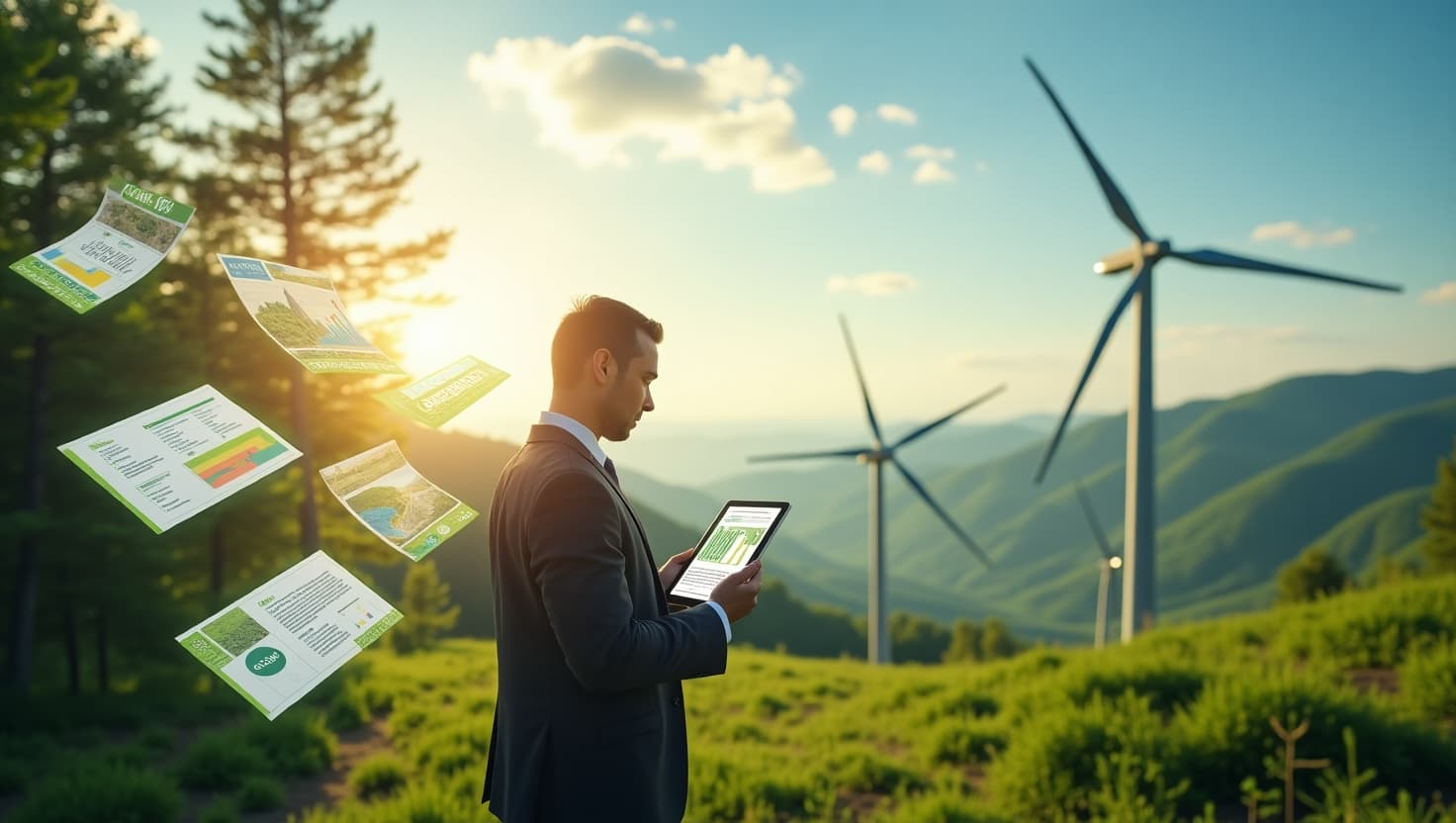
Imagine a world where the power that lights your home and fuels your car comes mostly from the sun and wind. This is the essence of the energy transition, a global movement away from fossil fuels toward renewable energy sources. The energy transition is not just a buzzword; it’s a fundamental change reshaping how societies produce and consume energy. As concerns about climate change grow, understanding this shift becomes essential.
The energy transition involves replacing coal, oil, and natural gas with cleaner alternatives like solar, wind, and hydroelectric power. This shift is driven by technological advances, policy changes, and growing awareness of environmental impacts. For anyone interested in sustainable living or carbon markets, grasping the nuances of the energy transition is key.
Why the Energy Transition Matters
The value of the energy transition extends beyond environmental benefits. It offers economic opportunities, energy security, and health improvements. Transitioning to renewable energy reduces greenhouse gas emissions, which helps slow global warming. It also decreases air pollution, leading to better public health outcomes.
Economically, the energy transition creates jobs in new industries such as solar panel manufacturing and wind turbine maintenance. It also reduces dependence on imported fuels, enhancing national energy security. These advantages make the energy transition a critical strategy for governments and businesses worldwide.
Steps Toward a Cleaner Future
Moving through the energy transition requires a clear approach. Here are five key steps that organizations and communities often follow:
- Assess current energy use and emissions to identify reduction opportunities.
- Invest in renewable energy technologies like solar panels or wind farms.
- Upgrade infrastructure to support clean energy integration, including smart grids.
- Implement energy efficiency measures to reduce overall consumption.
- Engage stakeholders and educate the public about the benefits and challenges of the transition.
Each step involves careful planning and collaboration across sectors. The energy transition is complex but achievable with coordinated effort.
Success Stories in Energy Transition
Consider Denmark, a country that has embraced the energy transition with remarkable results. Over the past decade, Denmark has increased its wind energy capacity to supply nearly half of its electricity needs. This shift has reduced carbon emissions significantly while boosting the local economy through green technology exports.
Another example is Costa Rica, which runs on nearly 100% renewable energy for extended periods. Their commitment to hydropower, wind, and solar has made them a global leader in sustainable energy, demonstrating that even smaller economies can lead the way.
Common Questions About Energy Transition
What challenges do countries face during the energy transition? One major hurdle is balancing energy supply and demand as renewables can be intermittent. Storage technologies and grid management are critical to overcoming this.
How does the energy transition affect carbon markets? As more companies commit to reducing emissions, demand for carbon credits linked to renewable projects grows. Understanding this relationship helps businesses navigate carbon offset strategies effectively.
Is the energy transition affordable? While initial investments can be high, long-term savings from reduced fuel costs and health benefits often outweigh upfront expenses.
Taking Action Today
The energy transition is a journey everyone can participate in. Whether you’re a business leader, policymaker, or concerned citizen, taking steps toward cleaner energy use matters. Start by learning more about renewable options and supporting policies that encourage sustainable energy.
For ongoing updates and community support, consider joining our WhatsApp group. Connect with others passionate about carbon markets and the energy transition here: Join our WhatsApp community.
Together, we can drive the change toward a sustainable energy future.