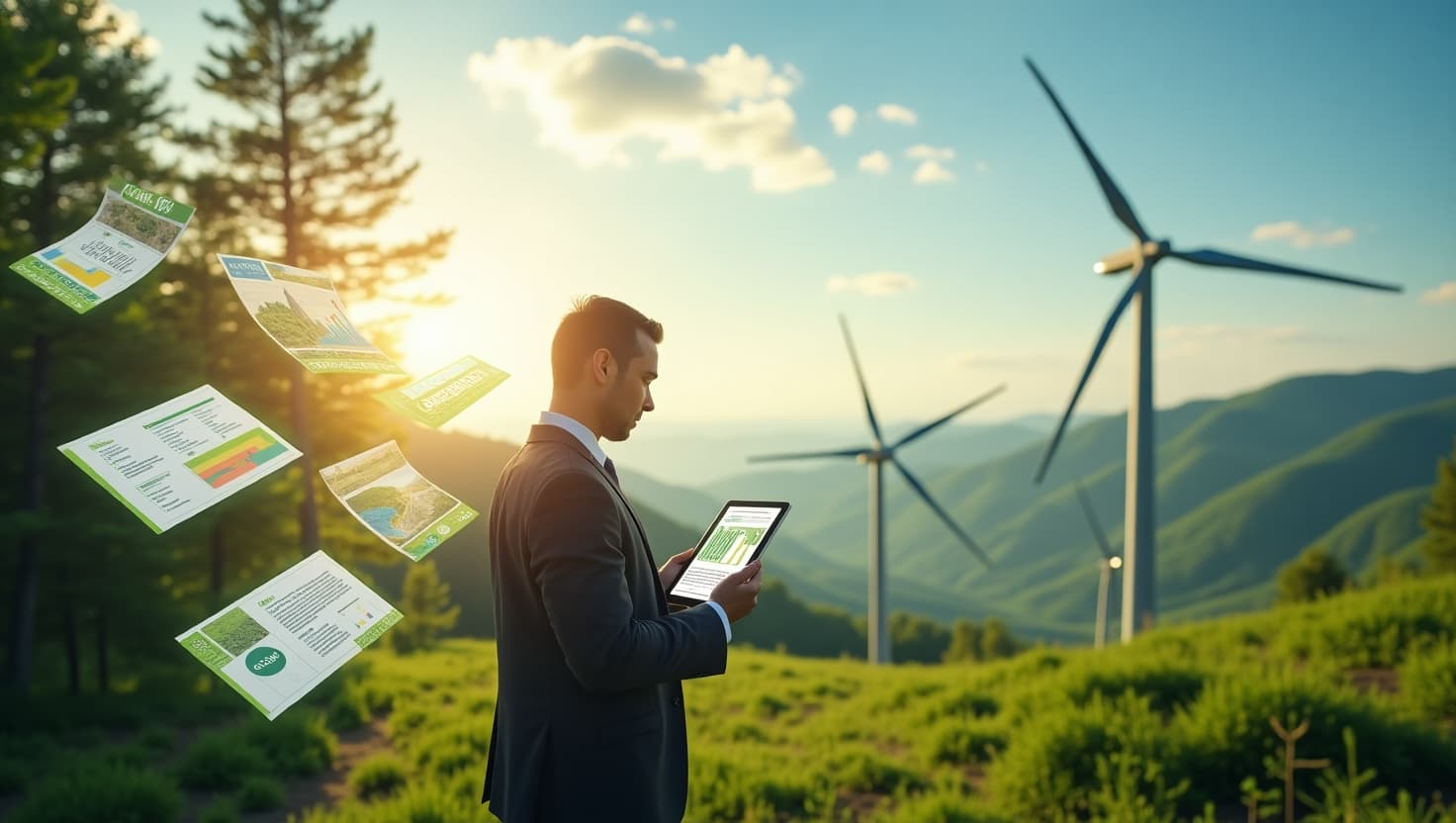
Navigating the Shift to a Low Carbon Economy
- Carbon Credits
- low carbon economy
- Sustainability
Table of Contents
- Starting Point: Why Low Carbon Economy Matters
- The Ripple Effects of Change
- Steps Toward a Sustainable Future
- Real-World Wins
- Questions That Often Come Up
- Taking Action Today
Starting Point: Why Low Carbon Economy Matters
Imagine a world where economic growth no longer comes at the expense of the planet. That’s the vision behind a low carbon economy. It’s not just a buzzword but a necessary transformation to reduce greenhouse gas emissions while maintaining prosperity. The low carbon economy focuses on shifting industries, energy sources, and consumer habits toward sustainability.
This shift is crucial because carbon emissions are a leading cause of climate change, impacting everything from weather patterns to food security. Embracing a low carbon economy means rethinking how we produce energy, manufacture goods, and even how cities operate. It’s about balancing economic activity with environmental responsibility.
The Ripple Effects of Change
Transitioning to a low carbon economy brings more than environmental benefits. It reshapes job markets, innovation, and global competitiveness. For example, renewable energy sectors like solar and wind have created millions of jobs worldwide, offering new opportunities for workers displaced from fossil fuel industries.
Moreover, companies that adopt low carbon strategies often see improved efficiency and cost savings. Reducing energy consumption and waste can directly impact the bottom line. This economic incentive encourages businesses to innovate and invest in cleaner technologies, accelerating the overall shift.
Steps Toward a Sustainable Future
Moving toward a low carbon economy involves several key strategies. Here’s a straightforward approach:
- Energy Transition: Replace coal and oil with renewable sources such as solar, wind, and hydroelectric power.
- Efficiency Improvements: Upgrade infrastructure and processes to use less energy and produce fewer emissions.
- Carbon Pricing: Implement mechanisms like carbon taxes or cap-and-trade systems to incentivize emission reductions.
- Sustainable Transport: Promote electric vehicles, public transit, and non-motorized transport options.
- Circular Economy Practices: Encourage recycling, reuse, and sustainable product design to minimize waste.
Each step requires collaboration between governments, businesses, and individuals to be effective.
Real-World Wins
Consider the example of Denmark, a country that has made significant strides in its low carbon economy journey. By investing heavily in wind energy, Denmark now generates nearly half of its electricity from wind turbines. This commitment has not only reduced emissions but also positioned Denmark as a leader in renewable technology exports.
Another success story comes from a global tech company that committed to powering all its data centers with renewable energy. This move cut their carbon footprint dramatically and inspired other corporations to follow suit, demonstrating how corporate leadership can drive change.
Questions That Often Come Up
How quickly can a low carbon economy be achieved? The timeline varies by region and sector, but many experts agree that significant progress is possible within the next two decades with strong policy support.
What role do individuals play? Individual choices, like reducing energy use and supporting sustainable products, complement larger systemic changes and help build demand for greener options.
Is it expensive to transition? While upfront costs exist, the long-term savings and avoided climate impacts often outweigh initial investments.
Taking Action Today
The path to a low carbon economy is a collective journey. Businesses can start by assessing their carbon footprint and exploring renewable energy options. Policymakers should focus on creating incentives and regulations that support sustainable practices. And individuals can contribute by staying informed and making eco-friendly choices.
For ongoing discussions and support, consider joining our community. Join our WhatsApp community to connect with others passionate about building a sustainable future.
Together, these efforts will help shape a resilient, low carbon economy that benefits everyone.