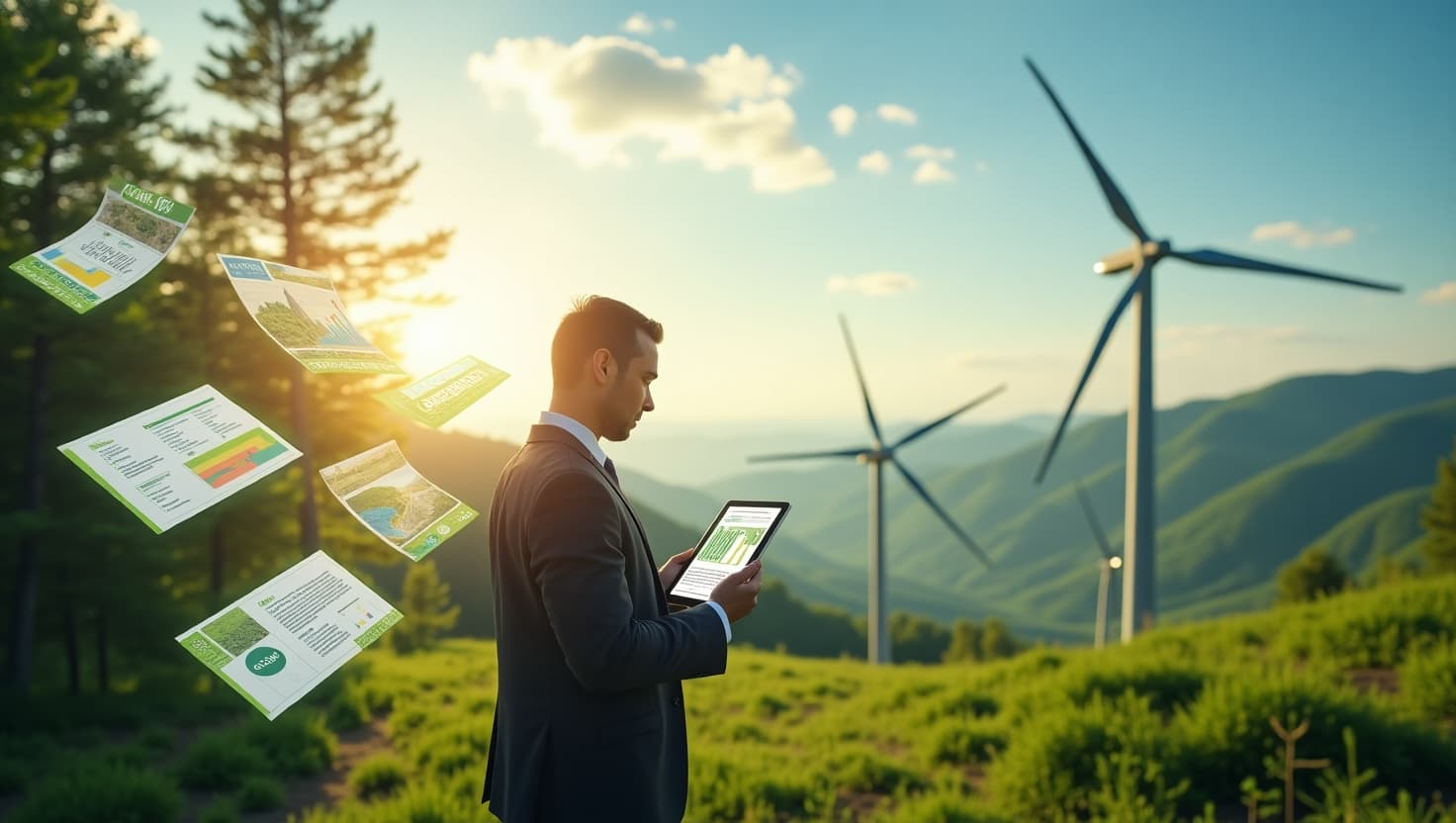
Renewable Energy Basics: What You Need to Know Today
- Carbon Credits
- renewable energy basics
- Sustainability
Table of Contents
- Understanding Renewable Energy
- Why Renewable Energy Matters
- How Renewable Energy Works in Practice
- Real-World Success Stories
- Common Questions About Renewable Energy
- Taking Your First Steps
Understanding Renewable Energy
Imagine a power source that never runs out and doesn’t pollute the air we breathe. That’s the essence of renewable energy basics. It’s energy derived from natural processes that replenish constantly, like sunlight, wind, and water flow. Unlike fossil fuels, renewable energy offers a sustainable way to power homes, businesses, and entire cities.
Renewable energy basics include several key types: solar, wind, hydroelectric, geothermal, and biomass. Each taps into a different natural resource but shares the goal of reducing carbon emissions and dependence on finite resources. Understanding these fundamentals helps anyone interested in cleaner energy solutions. For instance, solar energy can be harnessed using products like the SunPower solar panels, known for their efficiency and durability, making them a popular choice for homeowners.
Why Renewable Energy Matters
The impact of renewable energy goes beyond just cutting emissions. It reshapes economies by creating jobs in new industries and reduces energy costs over time. Communities gain energy independence, which can be crucial during supply disruptions. For example, regions investing in wind energy, like Texas, have seen a surge in job creation in the renewable sector.
Moreover, renewable energy plays a vital role in combating climate change. By replacing coal and oil with cleaner alternatives, we reduce greenhouse gases that trap heat in the atmosphere. This shift is essential for meeting global climate targets and protecting ecosystems. The International Renewable Energy Agency (IRENA) reports that transitioning to renewable energy could create millions of jobs worldwide by 2050.
How Renewable Energy Works in Practice
Getting started with renewable energy involves several steps. First, assess your energy needs and local resources. For example, if you live in a sunny region, solar panels might be the most efficient choice. Wind turbines suit areas with consistent wind patterns, while hydroelectric systems are ideal near rivers or lakes.
Next, installation and integration come into play. Solar panels convert sunlight directly into electricity through photovoltaic cells. Wind turbines use blades to capture wind energy, turning it into electrical power. Hydroelectric systems harness flowing water to generate energy, often through dams or river turbines. Companies like Tesla offer solar roof tiles that blend seamlessly with your home while generating energy.
Maintenance is generally low but important to ensure efficiency. Monitoring systems help track energy production and detect issues early. Understanding these processes is key to making renewable energy work effectively. Regular checks and cleaning of solar panels can significantly enhance their performance.
Real-World Success Stories
Consider a small town in Spain that transitioned to 100% renewable energy within five years. They combined solar farms, wind turbines, and biomass plants to meet all their electricity needs. This shift not only cut emissions drastically but also boosted local employment and tourism.
Another example is a manufacturing company in the US that installed rooftop solar panels and switched to wind energy contracts. Their energy costs dropped by 30%, and they earned carbon credits by reducing their footprint. These cases show how renewable energy basics translate into tangible benefits. Additionally, countries like Denmark have become leaders in wind energy, generating over 40% of their electricity from wind turbines.
Common Questions About Renewable Energy
What about the reliability of renewable energy? Critics often point to its variability, but advances in battery storage and grid management are addressing these concerns effectively. Companies like LG Chem are leading the way in battery technology, making renewable energy more reliable.
Is renewable energy expensive to install? Initial costs can be higher than traditional systems, but incentives, tax credits, and long-term savings make it financially viable. Many states offer rebates for solar installations, which can significantly lower upfront costs.
How does renewable energy fit into carbon markets? Renewable projects often generate carbon credits, which companies can trade to offset emissions, linking clean energy to broader sustainability goals. This creates a financial incentive for businesses to invest in renewable energy solutions.
Taking Your First Steps
Ready to explore renewable energy basics further? Start by researching local incentives and consulting with energy experts. Small changes like installing solar panels or choosing green energy providers can make a difference. Look into community solar programs if you cannot install panels on your property.
Join conversations with like-minded individuals and professionals to stay updated. Join our WhatsApp community for insights and support.
Renewable energy is more accessible than ever. Taking informed steps today helps build a cleaner, more resilient future for all.