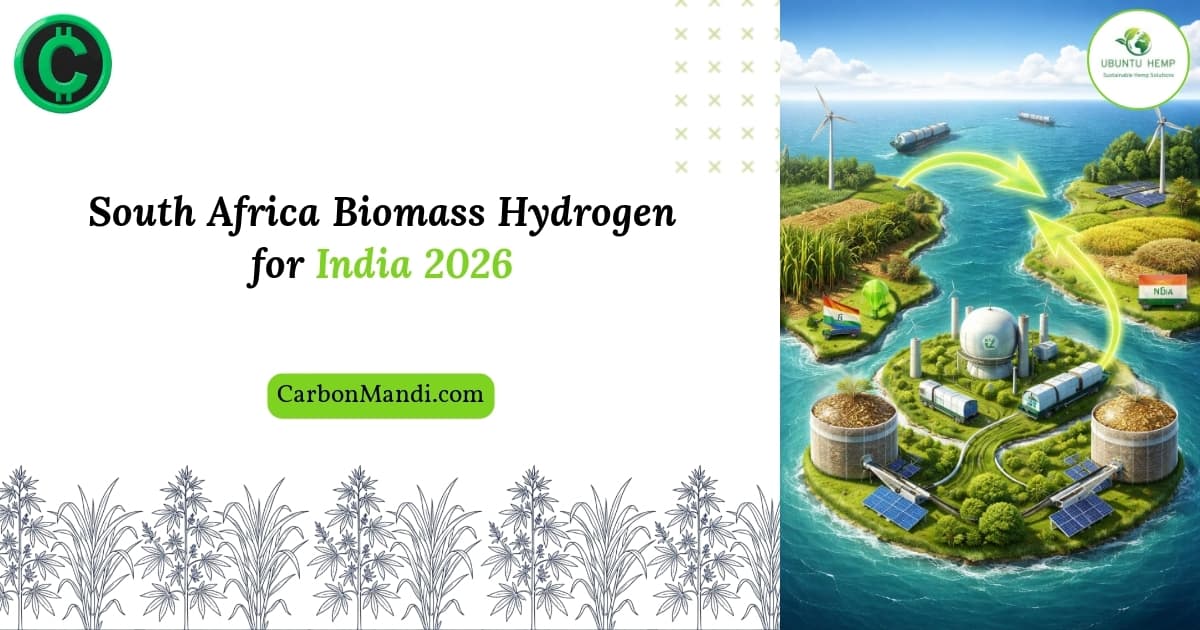
South Africa Biomass Hydrogen: India’s 2026 Energy Opportunity
- Carbon Credits
- South Africa Biomass Hydrogen: Complete Guide for India 2026
- Sustainability
Table of Contents
- Energy Shift in Focus
- Unlocking Biomass Hydrogen Potential
- Steps to Harnessing the Opportunity
- Real-World Impact Stories
- Questions on Feasibility and Benefits
- Moving Forward Together
Energy Shift in Focus
Imagine a future where India’s energy demands are met not just by fossil fuels but by clean, renewable sources imported from a partner continent. South Africa’s biomass hydrogen sector is emerging as a game-changer in this scenario. This guide explores how South Africa’s biomass hydrogen production can become a cornerstone for India’s sustainable energy strategy in 2026.
Biomass hydrogen, produced from organic waste and plant material, offers a renewable alternative that aligns with India’s goals to reduce carbon emissions. South Africa’s abundant biomass resources and growing hydrogen infrastructure position it uniquely to supply India with this clean fuel. For instance, the country has extensive sugarcane and maize production, which can be converted into hydrogen, providing a consistent and sustainable feedstock.
Unlocking Biomass Hydrogen Potential
South Africa’s biomass hydrogen initiative is more than just an energy project; it’s a strategic move to leverage natural resources for global benefit. The country’s vast agricultural residues and forestry by-products provide a steady feedstock for hydrogen production. Companies like Hydrogen South Africa are already pioneering projects that convert agricultural waste into hydrogen, showcasing the potential for large-scale production.
This approach reduces waste, lowers greenhouse gas emissions, and creates economic opportunities in rural areas. For India, importing biomass hydrogen means access to a reliable, green energy source that supports its industrial and transportation sectors while advancing climate commitments. The collaboration could also lead to technology transfer, enhancing India’s own hydrogen production capabilities.
Steps to Harnessing the Opportunity
To tap into South Africa’s biomass hydrogen potential, India can follow a clear roadmap:
- Establish bilateral agreements focusing on hydrogen trade and technology exchange. This could involve joint ventures between Indian and South African firms, fostering innovation.
- Invest in infrastructure for hydrogen storage, transport, and distribution within India. For example, developing pipelines and storage facilities similar to those used by Air Products in their hydrogen supply chain can streamline operations.
- Collaborate on research to optimize biomass-to-hydrogen conversion efficiency. Engaging with universities and research institutions can lead to breakthroughs in production methods.
- Develop regulatory frameworks that encourage clean energy imports and usage. This includes incentives for companies investing in biomass hydrogen technologies.
Each step requires coordination between governments, private sectors, and research institutions to ensure smooth implementation and mutual benefit. Immediate actions could include hosting workshops and seminars to educate stakeholders about the benefits of biomass hydrogen.
Real-World Impact Stories
Consider the example of a South African energy firm that partnered with Indian companies to pilot biomass hydrogen shipments in 2025. This collaboration demonstrated the feasibility of long-distance hydrogen transport and its integration into India’s energy grid. The project not only validated the logistics but also highlighted the economic viability of such initiatives.
Another case involved rural South African communities benefiting from biomass collection programs, which not only supplied feedstock but also created jobs and improved local economies. These success stories highlight the practical advantages of biomass hydrogen beyond just energy production. For instance, local farmers have reported increased income from selling agricultural residues, which were previously considered waste.
Questions on Feasibility and Benefits
How scalable is biomass hydrogen production in South Africa? The answer lies in the country’s vast biomass availability and ongoing investments in hydrogen technology. With companies like Sasol investing heavily in hydrogen projects, scalability is becoming increasingly feasible.
What are the environmental impacts? Biomass hydrogen reduces reliance on fossil fuels and cuts emissions, but sustainable biomass sourcing is critical to avoid deforestation or land degradation. Implementing strict guidelines for biomass sourcing can mitigate these risks.
Can India rely on this supply long-term? With strategic partnerships and infrastructure development, biomass hydrogen can become a stable component of India’s energy mix. Continuous monitoring and adaptation of strategies will be essential to ensure sustainability.
Moving Forward Together
South Africa biomass hydrogen offers India a promising path toward cleaner energy and stronger economic ties. To explore this opportunity further, stakeholders should engage in dialogue, invest in infrastructure, and support innovation. Initiatives like joint research programs and investment forums can facilitate this process.
Join the conversation and stay updated on developments by joining our WhatsApp community.
Carbonmandi building this With the advisory of Ubuntuhemp.