Sustainable Hydrogen Fuel Powering India’s Clean Energy Future
- Carbon Credits
- Sustainability
- Sustainable Hydrogen Fuel for India’s Clean Energy Transition
Table of Contents
- Rethinking Energy for India
- Unlocking the Potential of Hydrogen
- Steps to Scale Sustainable Hydrogen
- Real-World Success in India
- Common Concerns Addressed
- Moving Forward Together
Rethinking Energy for India
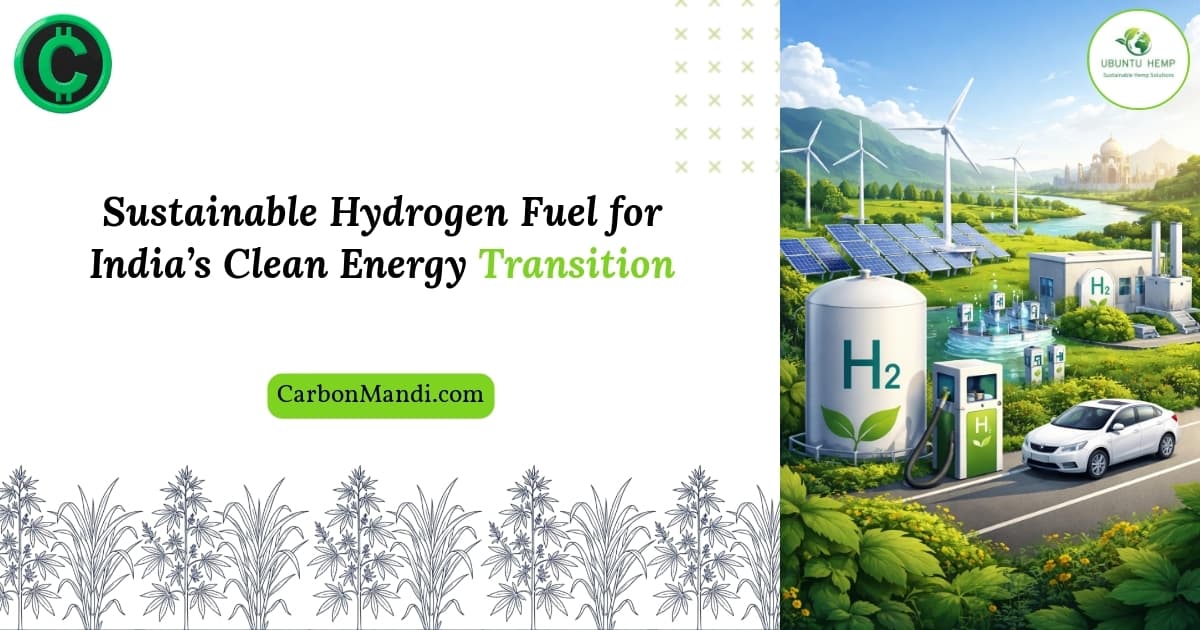
Imagine a future where India meets its growing energy demands without compromising the environment. Sustainable hydrogen fuel is emerging as a key player in this vision. Unlike traditional fossil fuels, hydrogen can be produced cleanly and used efficiently, making it a promising solution for India’s clean energy transition. The country’s vast renewable resources, such as solar and wind, can power hydrogen production, creating a cycle of sustainable energy use.
This shift is not just about technology; it’s about reshaping how India approaches energy security and climate goals. Sustainable hydrogen fuel for India’s clean energy transition offers a pathway to reduce carbon emissions significantly while supporting economic growth.
Unlocking the Potential of Hydrogen
Hydrogen’s appeal lies in its versatility and environmental benefits. When produced sustainably, it emits no greenhouse gases at the point of use. India’s abundant sunshine and wind provide ideal conditions for green hydrogen production through electrolysis. This method splits water into hydrogen and oxygen using renewable electricity, ensuring the fuel is truly clean.
Beyond environmental impact, hydrogen can support sectors that are hard to electrify, such as heavy industry and transportation. Its energy density and storage capabilities make it a flexible option for balancing India’s energy grid and supporting rural electrification.
Steps to Scale Sustainable Hydrogen
Scaling sustainable hydrogen in India involves a clear strategy:
- Expanding renewable energy capacity to power electrolysis plants.
- Developing infrastructure for hydrogen storage, transport, and distribution.
- Encouraging public-private partnerships to fund research and pilot projects.
- Implementing supportive policies and incentives to attract investment.
- Training a skilled workforce to manage and operate hydrogen technologies.
Each step requires coordination between government bodies, industry players, and research institutions. The goal is to create an ecosystem where sustainable hydrogen fuel can thrive and contribute meaningfully to India’s clean energy transition.
Real-World Success in India
Several pilot projects demonstrate hydrogen’s potential in India. For example, a renewable energy company in Rajasthan recently launched a green hydrogen plant powered entirely by solar energy. This facility supplies hydrogen to local industries, reducing their reliance on coal and cutting emissions.
Another case is a transportation initiative in Maharashtra where hydrogen fuel cell buses are being tested on city routes. These buses offer zero-emission alternatives to diesel vehicles, improving urban air quality and showcasing hydrogen’s practical applications.
These examples highlight how sustainable hydrogen fuel for India’s clean energy transition is moving from concept to reality, with tangible benefits for communities and industries.
Common Concerns Addressed
What about cost? Currently, green hydrogen is more expensive than conventional fuels, but costs are dropping rapidly as technology advances and scale increases. India’s focus on renewable energy expansion helps drive down production expenses.
Is infrastructure ready? Building hydrogen infrastructure is a challenge, but ongoing projects and government support are accelerating development. Safety standards and regulations are also evolving to ensure secure handling.
How soon can we expect impact? While widespread adoption will take time, early successes and growing investments indicate a promising trajectory. Sustainable hydrogen fuel for India’s clean energy transition is poised to play a significant role within the next decade.
Moving Forward Together
India’s clean energy future depends on innovative solutions like sustainable hydrogen fuel. To stay informed and connected with the latest developments, consider joining communities focused on clean energy progress.
Join our WhatsApp community to engage with experts and peers passionate about sustainable energy.
Explore partnerships and pilot projects that align with your goals. Together, we can accelerate India’s clean energy transition.
Carbonmandi building this With the advisory of Ubuntuhemp