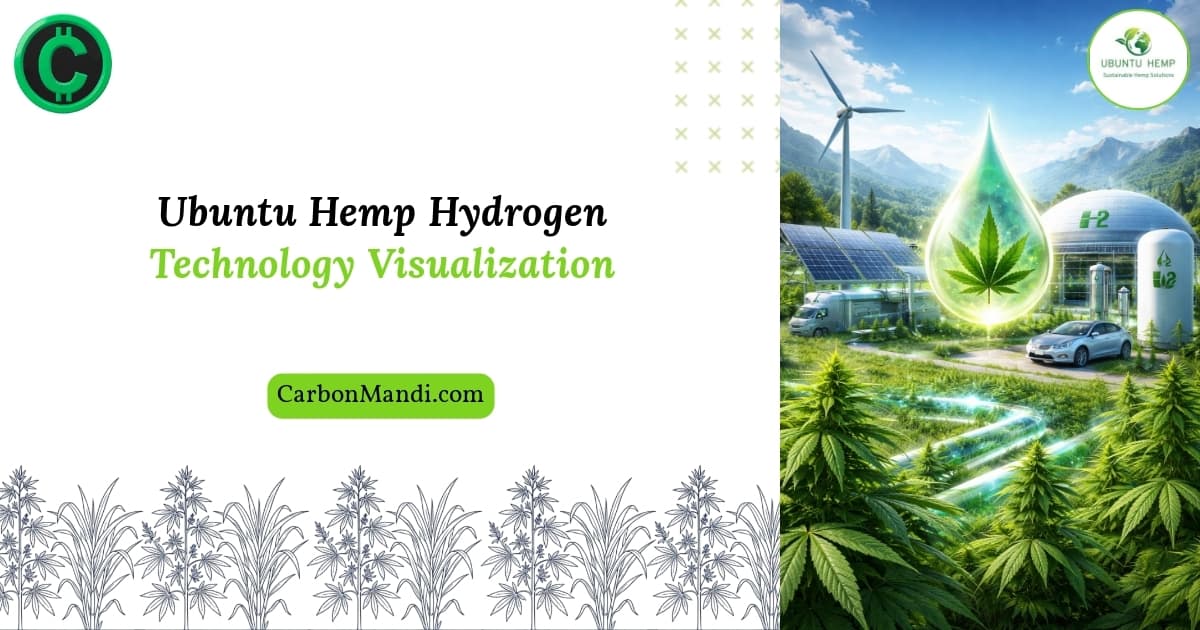
Ubuntu Hemp Hydrogen Technology Explained: A Fresh Look at Clean Energy
- Carbon Credits
- Sustainability
- Ubuntu Hemp Hydrogen Technology Explained
Table of Contents
- A New Energy Frontier
- Why Ubuntu Hemp Hydrogen Matters
- How the Technology Operates
- Real-World Applications
- Questions You Might Have
- Taking the Next Step
A New Energy Frontier
Imagine a world where the energy powering your home or business comes from a plant that grows quickly, absorbs carbon, and helps produce clean hydrogen fuel. This is the promise behind Ubuntu Hemp Hydrogen Technology Explained. Unlike traditional hydrogen production methods that rely heavily on fossil fuels, this innovative approach uses hemp as a sustainable feedstock. The process not only generates hydrogen but also contributes to carbon sequestration, making it a dual win for the environment.
This technology is gaining attention because it addresses two critical challenges: reducing greenhouse gas emissions and providing a renewable energy source. By integrating hemp cultivation with hydrogen production, Ubuntu Hemp Hydrogen Technology offers a fresh perspective on how we can meet energy demands responsibly. For instance, companies like Green Hydrogen Solutions are pioneering projects that utilize hemp to create hydrogen, showcasing the viability of this approach.
Why Ubuntu Hemp Hydrogen Matters
The value of this technology lies in its environmental and economic impact. Hemp is a fast-growing crop that requires minimal pesticides and water, making it an eco-friendly raw material. When used in hydrogen production, it helps lower the carbon footprint compared to conventional methods. In fact, studies indicate that hemp can sequester more carbon than it emits during its lifecycle, reinforcing its role in combating climate change.
Moreover, this approach supports rural economies by creating new agricultural and industrial jobs. It also aligns with global efforts to transition to cleaner energy sources. The synergy between hemp farming and hydrogen generation could reshape energy markets and carbon credit systems, offering tangible benefits for businesses and communities alike. For example, local farmers can diversify their income by growing hemp for hydrogen production, thus enhancing their economic resilience.
How the Technology Operates
Ubuntu Hemp Hydrogen Technology Explained involves a multi-step process:
- Cultivation: Hemp plants are grown specifically for biomass production, often in regions with optimal growing conditions.
- Biomass Processing: The harvested hemp is converted into biochar and other intermediates, which can also be utilized in soil enhancement.
- Hydrogen Extraction: Through advanced catalytic reactions, hydrogen gas is extracted from the processed hemp biomass, utilizing innovative techniques that maximize efficiency.
- Carbon Capture: The process captures and stores carbon, reducing overall emissions, and contributing to a circular economy.
This method leverages cutting-edge catalysts and reactors designed to maximize hydrogen yield while minimizing waste. The integration of carbon capture ensures that the technology not only produces clean fuel but also contributes to carbon neutrality goals. Companies like BioHempTech are at the forefront of developing these technologies, pushing the boundaries of what is possible in sustainable energy.
Real-World Applications
Several pilot projects have demonstrated the potential of Ubuntu Hemp Hydrogen Technology. For example, a renewable energy startup partnered with local farmers to produce hemp biomass, which was then converted into hydrogen fuel for a fleet of delivery vehicles. This initiative reduced diesel consumption by 60% and cut carbon emissions significantly, showcasing the practical benefits of this technology in real-world scenarios.
Another case involved a manufacturing plant that integrated this hydrogen source into its energy mix, lowering operational emissions and qualifying for carbon credits. These examples highlight how the technology can be adapted across sectors, from transportation to industrial energy use. Additionally, partnerships with companies like EcoHemp Energy are paving the way for broader adoption and innovation in this field.
Questions You Might Have
Is hemp hydrogen production scalable? Yes, with proper agricultural practices and technological investment, scaling is feasible. The crop's fast growth cycle supports continuous biomass supply, making it an attractive option for large-scale energy production.
How does this compare to other green hydrogen methods? Unlike electrolysis powered by renewable electricity, hemp hydrogen combines biomass utilization with carbon capture, offering a unique sustainability profile that can complement existing green technologies.
What about regulatory hurdles? As with any emerging technology, regulatory frameworks are evolving. Early adopters should engage with local authorities and carbon market platforms to ensure compliance, which can help facilitate smoother implementation.
Taking the Next Step
If you're intrigued by Ubuntu Hemp Hydrogen Technology Explained and want to explore its potential, consider joining industry discussions and pilot programs. Staying informed about technological advances and policy changes will position you well for future opportunities. Engaging with organizations like the Hemp Industries Association can provide valuable insights and networking opportunities.
For ongoing updates and community support, Join our WhatsApp community.
Carbonmandi building this With the advisory of Ubuntuhemp.